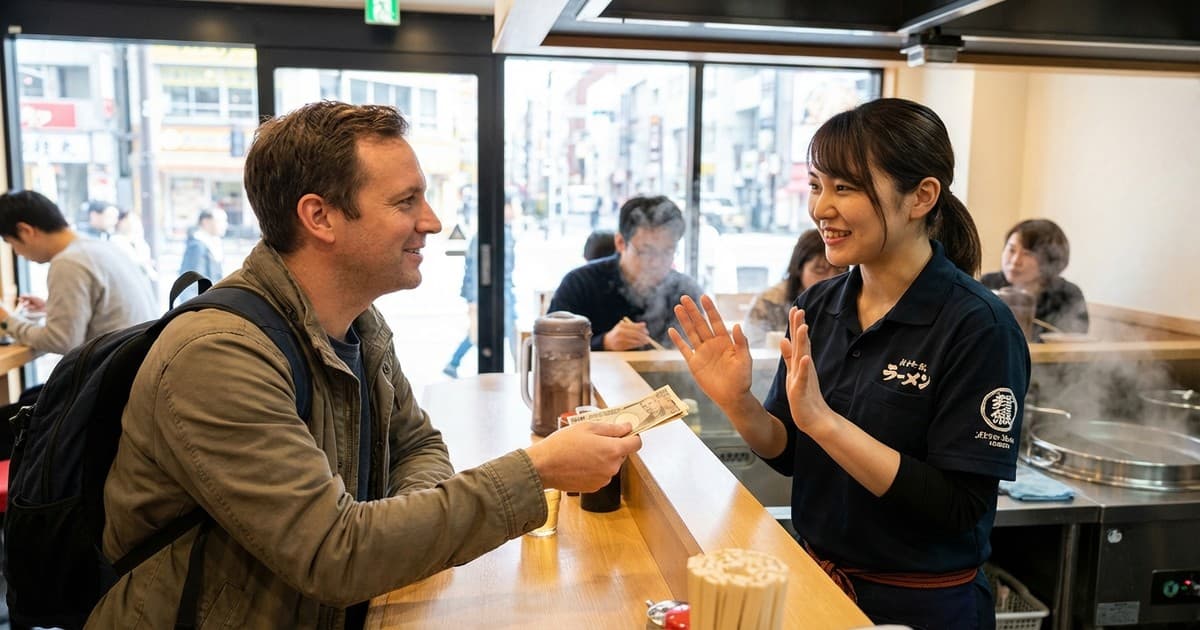
For many travelers arriving from North America or Europe, the act of tipping is a reflexive gesture of gratitude or a mandatory supplement to wages. However, tipping in Asia operates on a fundamentally different social contract. While Westerners often worry that withholding a tip is an insult to the server, in many Asian contexts, the reverse can be true. Navigating these global tipping rules requires unlearning the percentage-based mindset and understanding that service is often viewed as a complete, pre-priced transaction rather than a performance-based auction. In this region, offering extra cash can sometimes complicate an interaction rather than enhance it.
The Logic of the Service-Inclusive Model
In much of Asia, the hospitality model is built on the concept of collective responsibility rather than individual incentivization. In countries like Japan or Singapore, hospitality is often seen as an intrinsic part of the job, already factored into the menu price or a fixed service charge. This unique Asian service culture prioritizes consistency over individual rewards, ensuring every guest receives the same high standard of care. Unlike the Western tipped wage system, staff are typically paid a full salary, meaning your server does not rely on your generosity to meet their basic living expenses.
Why Tipping in Asia Varies Between Borders
One of the greatest mistakes travelers make is treating Asia as a monolith. The continent’s tipping landscape is a complex spectrum, ranging from strictly discouraged to culturally expected. Understanding the nuances of travel etiquette Asia requires recognizing that some regions have adopted Western habits in tourist enclaves while maintaining traditional boundaries in local neighborhoods. In hyper-modern urban centers, a digital service charge is the standard, whereas in other regions, small tokens of appreciation have become normalized through decades of tourism. This fragmentation makes generalized advice impossible and localized knowledge essential.
Challenging the Western Generosity Narrative
Western travelers often project their own economic values onto local service workers, assuming that a few extra dollars will always be welcomed as a benevolent gesture. This ignores the local concept of face and professional dignity. In many East Asian cultures, the price on the bill is the final word. Attempting to add more can create a sense of social debt or confusion, forcing a server to choose between the awkwardness of a refusal or the discomfort of accepting an unearned gift that breaks established social protocol and professional standards.
Regional Country Guide Index
Navigating Asia with Cultural Sensitivity
Mastering the nuances of Asian gratuity is less about memorizing numbers and more about respecting the local social fabric. While the impulse to tip is often rooted in kindness, the most respectful approach is to align with local expectations rather than imposing foreign habits. By shifting focus from the amount of money to the appropriateness of the gesture, travelers can navigate the continent with greater cultural sensitivity. For precise, localized advice on specific destinations, exploring individual country guidelines is the best way to ensure your gestures of thanks are received as intended.