Navigating the unspoken rules of tipping in India can be a delicate balancing act for even the most seasoned travelers. Unlike the fixed percentages common in the West, India's approach to gratuity is deeply situational and rooted in social dynamics. From high-end Mumbai hotels to local roadside stalls, the expectations change based on the setting and the service quality. Understanding these nuances ensures a smoother journey while showing respect for the local labor force.
Dining out and service charge rules
In major Indian cities, many modern restaurants now include a mandatory service charge on the final bill, usually ranging between 5% and 10%. If this fee is already applied, there is no obligation to leave an additional tip. However, if the service was exceptional, leaving a small amount of cash remains a common gesture of appreciation. Always check the bottom of the receipt for this specific line item before deciding how much to leave.
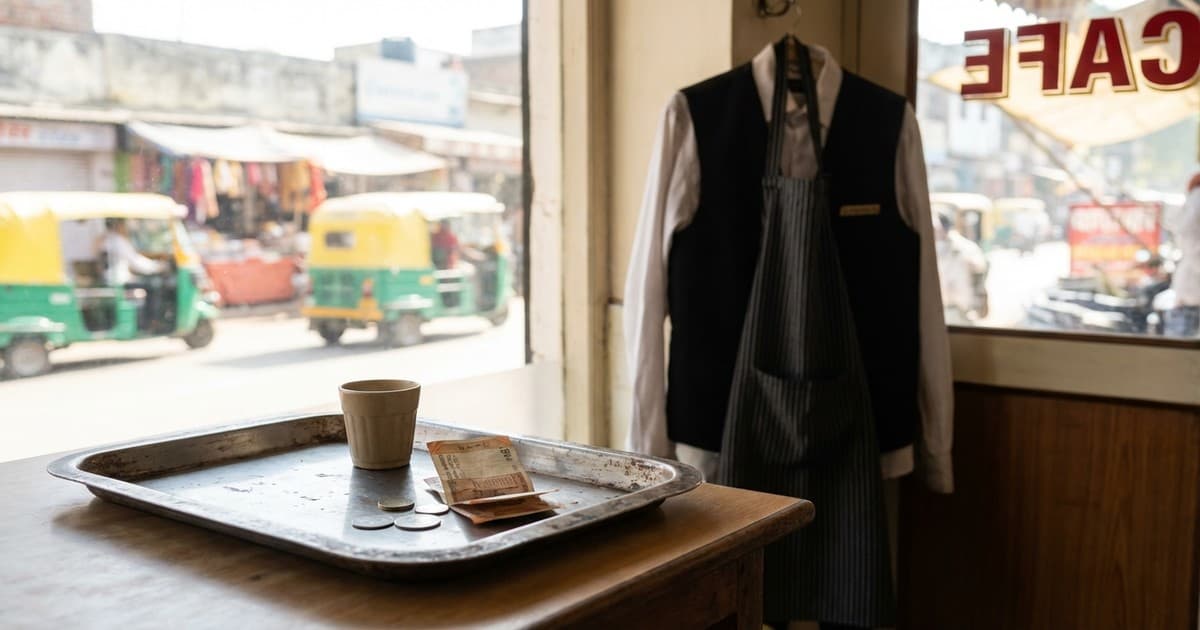
At smaller, more traditional establishments or local cafes where no service charge is mentioned, the rules are more flexible. In these cases, a tip of 7% to 10% of the total bill is considered the standard benchmark. If the bill is particularly small, such as for a quick snack or a cup of tea, rounding up to the nearest hundred rupees or leaving the loose change is perfectly acceptable and widely practiced across the country.
Hotel staff and gratuity etiquette
When staying at hotels, the tipping structure becomes more granular based on the specific interaction. Bellhops who assist with luggage generally receive 50 to 100 rupees per bag. For housekeeping, it is customary to leave roughly 200 to 500 rupees at the end of a multi-day stay, preferably in an envelope. This ensures the gratuity reaches the staff member who actually maintained the room rather than being split among the general pool.
Transport and tour guides
Tipping taxi and rickshaw drivers is not a strict requirement in India, especially if you are using app-based services where the fare is fixed. However, rounding up the fare to the nearest 10 or 50 rupees is a common way to show gratitude for a safe trip. For private drivers hired for a full day of sightseeing, a tip of 300 to 500 rupees per day is standard for their dedicated service, given the long hours they often work for guests.
Tour guides play a vital role in navigating India’s complex historical sites and diverse cultural landscape. For a half-day private tour, a tip of 500 to 1,000 rupees is usually appropriate, depending on the quality of the information provided. If you are part of a large group tour, a smaller individual contribution of 200 rupees is sufficient. These tips are often a primary source of income for many freelance guides in the tourism sector.
Final cultural considerations
While tipping in India is rarely mandatory, it remains a powerful tool for expressing gratitude in a service-oriented economy. The key is to remain observant and carry small denominations of cash, as digital payments are common but tips are still preferred in physical notes. By following these subtle social cues, you can navigate the country with confidence. A modest tip given with a smile is often more appreciated than a large sum handed over coldly.