In Guatemala, the connection between what a traveler leaves on the table and what a worker takes home is direct and significant. Understanding the cultural nuances of linking tipping to wages in Guatemala helps visitors navigate the local economy with respect and clarity. While tipping is not legally mandatory, it has become a standard social expectation in tourist hubs like Antigua and Lake Atitlán. This guide explores how these contributions bridge the gap between base salaries and the cost of living for service industry professionals across the country.
Restaurant and Café Etiquette
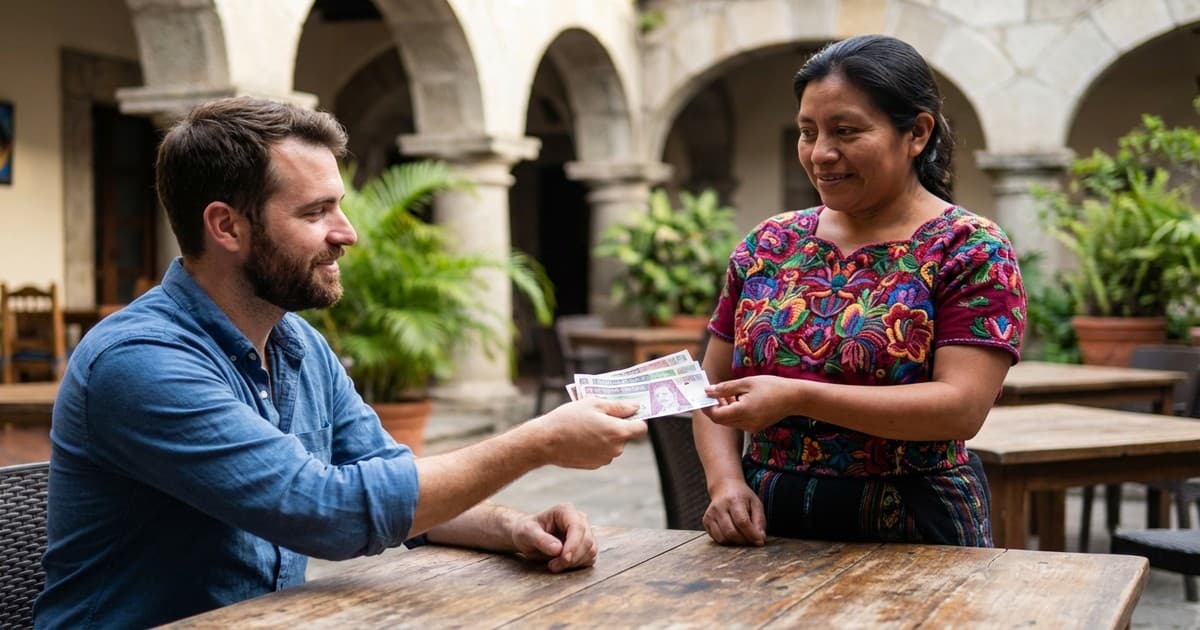
Most established restaurants in Guatemala include a suggested 10 percent service charge on the bill. This is known locally as the propina and is generally expected in mid-to-high-range venues. If the service was exceptional, you can add a few extra Quetzales in cash directly to the server. In smaller, family-run eateries called comedores, a service charge is rare. In these local spots, leaving five to ten Quetzales is a generous gesture that supports the staff directly.
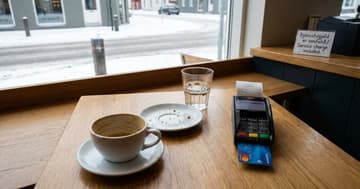
Cash is still king in many parts of Guatemala. Even if you pay your restaurant bill with a credit card, try to leave the tip in cash. This ensures the money reaches the server immediately rather than being processed through a lengthy payroll cycle. Travelers often find that navigating international tipping customs is easier when carrying small denominations of the local currency. Keeping small notes handy will save you from awkward moments.
Hotel Services and Small Gratuities
Hotel staff rely heavily on gratuities to supplement their income. For bellhops, 10 to 20 Quetzales per bag is standard. Housekeeping should be tipped daily rather than at the end of your stay to ensure the person actually cleaning your room receives the benefit. A rate of 20 Quetzales per day is appropriate for most standard hotels. When considering regional standards for gratuities, Guatemala aligns closely with its neighbors where service work is physically demanding but low-paying.
Guides and Transportation
Professional guides for volcano hikes or coffee tours usually receive a tip of 50 to 100 Quetzales per person. This amount varies based on the length and complexity of the excursion. For private drivers, a tip of 10 percent of the total fare is common practice. Ride-hailing apps like Uber are available in Guatemala City and Antigua. You can tip through the app but cash remains the preferred method for most drivers. Always carry small bills to facilitate these small but important transactions.
Unlike many countries, taxi drivers in Guatemala do not always expect a tip unless they provide extra help with luggage. It is better to negotiate the total fare before you get in the car. In bars, tipping one or two Quetzales per drink is standard if you are ordering at the counter. If you have table service, the standard 10 percent rule applies just as it does in restaurants. These small amounts are modest for travelers but make a real difference for local workers.
Conclusion
Navigating the financial landscape of Guatemala requires a balance of local knowledge and common sense. By linking tipping to wages in Guatemala, travelers play a small but vital role in the livelihood of those who make their trip memorable. Respectful tipping is not about showing off wealth but about acknowledging the hard work inherent in the service industry. Whether you are enjoying a meal in a colonial courtyard or exploring ancient ruins, these gestures of appreciation foster goodwill and support the community.