Iceland operates on a distinct social contract where fair wages are foundational to the economy. Unlike the North American model or even some Mediterranean neighbors, tipping in Iceland is not a standard practice because the price on the menu is the final price you pay. This transparency reflects a broader Nordic commitment to equity and labor rights. Understanding these global tipping rules helps travelers navigate the sticker shock of Reykjavik without feeling the need to add more to the bill.
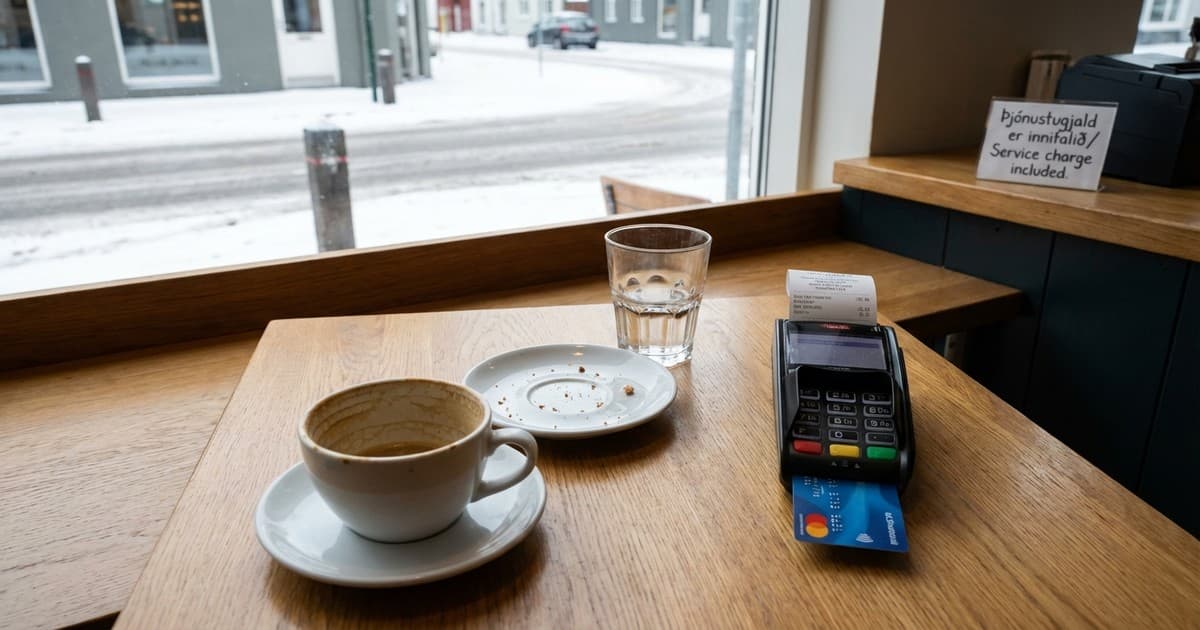
The Icelandic workforce is highly unionized and service workers receive living wages that do not rely on the generosity of patrons. When you receive a bill in a restaurant or a bar, it already includes a service charge and value added tax. This system ensures that staff have financial stability regardless of the season or the specific temperament of a customer. It creates a professional distance where service is provided as a standard of work rather than a performance for extra cash.
The transparency of the Icelandic service model
Navigating the broader continent requires a nuanced approach to gratuity. While some regions expect a small round up, the tipping in Europe experience varies significantly once you reach the North Atlantic. In Iceland, the act of leaving extra money can occasionally be met with confusion or a polite attempt to return the change. It is not considered an insult to leave nothing because the transaction is viewed as complete upon payment of the stated price.
Iceland is also a nearly cashless society. From small cafes in the Westfjords to the bustling bars of Laugavegur, almost every transaction happens via card or mobile payment. Payment terminals in Iceland rarely prompt for a tip percentage, which is a clear cultural signal that no extra payment is expected. This lack of digital friction allows visitors to pay the exact amount listed without the social pressure often felt in countries with more aggressive gratuity cultures.
Exceptions and shifting modern norms
While the general rule remains no tipping, certain sectors of the tourism industry have seen minor shifts. Tour guides who lead multi day excursions or specialized glacier hikes are the most common recipients of voluntary gratuities. If a guide has provided exceptional safety or deep local knowledge, a small gesture is often accepted. However, even in these high effort scenarios, there is no standardized percentage and guides do not expect a tip as part of their core income.
In recent years, some cafes and casual eateries in high traffic tourist areas have introduced tip jars. These are often seen by locals as a modern import designed for foreign visitors who feel uncomfortable not leaving extra money. While you may see coins in these jars, they are entirely optional. Most Icelanders ignore them and you should not feel any social obligation to contribute if you are already paying for your coffee or meal at the counter.
Navigating social expectations as a visitor
The best way to show appreciation in Iceland is through verbal gratitude and repeat business. If you truly feel that a service was transformative, a sincere thank you carries significant weight in a culture that values directness and authenticity. You can also leave a positive online review, which helps local businesses far more than a few extra kronur. This approach respects the local economy without imposing foreign customs that might disrupt the egalitarian balance of the service industry.
Ultimately, the key to navigating the country is to trust the price tag. Iceland is an expensive destination, and the costs associated with dining and tours are set to ensure that everyone in the supply chain is fairly compensated. By refraining from tipping, you are participating in a system that prides itself on transparency and social welfare. Enjoy the high quality of service and the stunning landscapes knowing that your financial contribution is already accounted for in the bill.