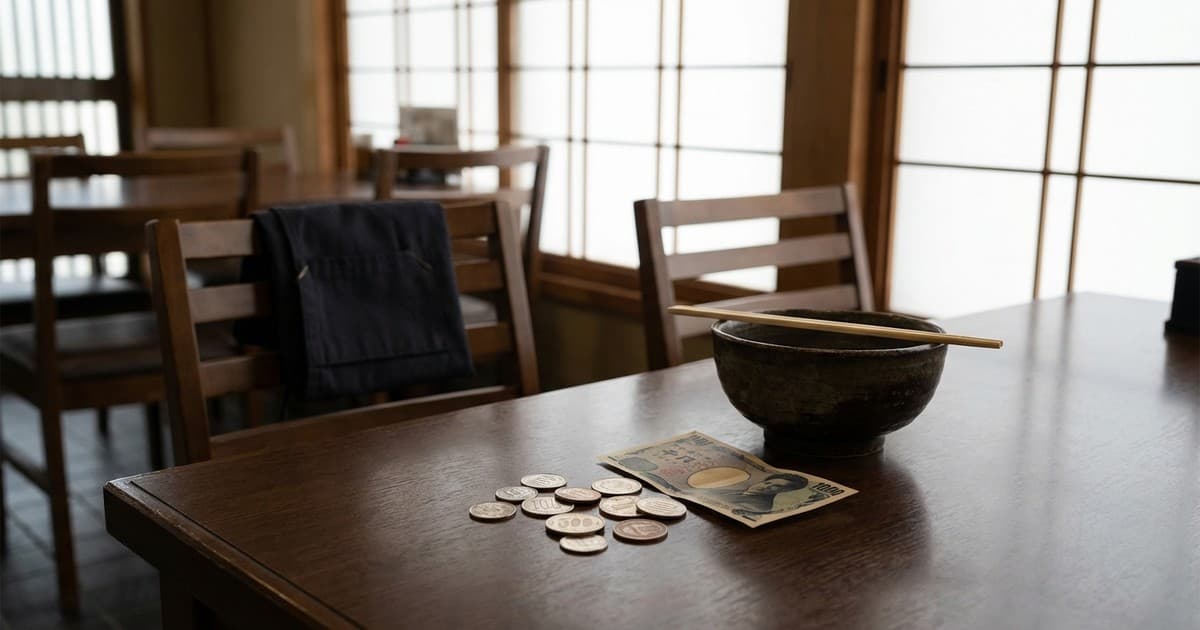
For many Western travelers, leaving a gratuity is a standard reflex of gratitude. However, in Japan, this well-intentioned gesture often leads to confusion or visible discomfort. The practice of tipping in Japan is fundamentally at odds with a deep-seated cultural philosophy regarding work and hospitality. Instead of being seen as a reward, extra cash can be perceived as an insult to the professional standards of the staff. Understanding this distinction is essential for anyone navigating the country’s world-class service industry.
The core reason is that tipping in Japan is considered rude because it implies that a worker’s standard salary is insufficient or that their high-quality service requires an extra financial bribe to be maintained. Good service is viewed as a duty, not an extra to be purchased.
The philosophy of Omotenashi
Hospitality in Japan is defined by the concept of omotenashi. This translates to wholehearted service where the host anticipates the guest's needs without expecting anything in return. To a Japanese professional, providing excellent service is simply the baseline expectation of their role. Adding a tip suggests that the quality of their work is transactional rather than a matter of professional pride. It shifts the dynamic from a guest-host relationship to a mere commercial exchange.
When a tourist leaves coins on a table, the reaction is rarely one of joy. Often, a server will chase the customer down the street to return the "forgotten" money. This creates an awkward situation for both parties. For the worker, it can feel as though they are being pitied or that their employer's wage is being scrutinized by a stranger. It disrupts the social harmony, or wa, which is a foundational element of daily interactions in Japanese society.
The cultural weight of money
There is also a historical context to this aversion. In Japanese culture, the exchange of money is traditionally handled with extreme discretion. Handing over loose cash is seen as uncouth and overly blunt. Even when paying a standard bill, money is placed on a small tray rather than handed directly to the cashier. To bypass this formality with a tip feels unrefined and lacks the dignity expected in social interactions. It essentially devalues the service provided.
Exceptional circumstances and gifts
However, there are very specific exceptions where a "thank you" gift is appropriate. For instance, at high-end traditional inns known as ryokans, a guest might give a small gratuity to their dedicated room attendant. This is called kokoro-zuke. It is never a percentage of the bill and must always be presented in a clean, decorative envelope, never as bare banknotes. This remains a formal ritual rather than the casual tipping found in Western restaurants or taxis.
Private tour guides who work closely with foreigners have become more accustomed to international habits. Even then, they do not expect a tip. If you feel compelled to show extra appreciation, a small, wrapped souvenir from your home country is usually more meaningful than cash. This honors the relationship without introducing the cold transactional nature of a monetary gratuity. It respects the local culture while allowing the traveler to express their genuine gratitude.
A different form of appreciation
Navigating Japanese etiquette requires a subtle shift in perspective. While the urge to tip comes from a place of kindness, respecting local customs is the highest form of appreciation you can show. By simply saying "gochisousama-deshita" after a meal, you acknowledge the effort and skill involved in a way that resonates with local values. In Japan, the best reward for excellent service is your return visit and a genuine word of thanks, rather than a handful of yen.