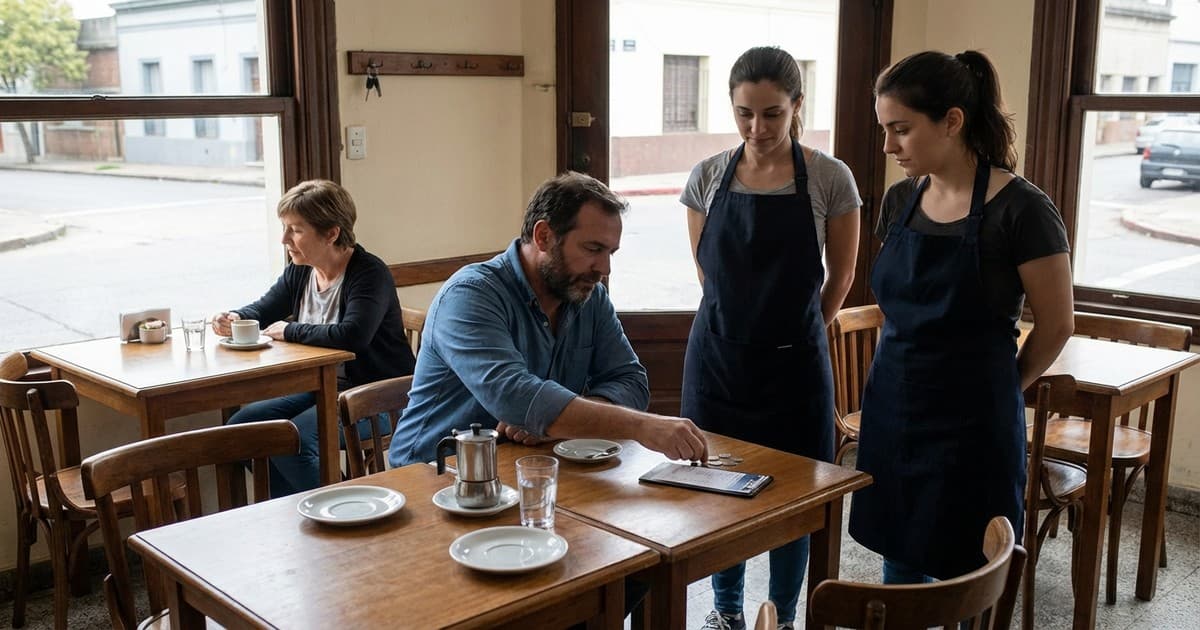
In Uruguay, the approach to gratuity is a reflection of the nation's laid-back and humble culture. Unlike the assertive tipping culture found in North America, tipping in Uruguay is a subtle gesture of appreciation that rarely requires a public display. Visitors will find that while service workers work hard, there is no aggressive pressure to overspend. Navigating these unspoken rules effectively ensures you respect local customs without feeling like an outsider.
Understanding these cultural nuances ensures you respect local customs without feeling like an outsider during your stay. This guide will help you understand the specifics of the local economy and social expectations. By following these simple guidelines, you can ensure that your interactions with hospitality staff are both polite and culturally appropriate for the region. You will find that a modest approach is always appreciated by the locals you meet.
The ten percent restaurant standard
In Uruguay, the restaurant tip standard is ten percent of the bill. This applies to cafes and high-end spots in Montevideo. While some receipts suggest a tip, it is not mandatory. Understanding how global tipping rules can be confusing for visitors is essential for international travelers who want to avoid overpaying. Providing a modest amount for good service is the standard way to show your appreciation.
Navigating the cubierto versus the tip
A common point of confusion for tourists is the cubierto or cover charge. While it might look like a Uruguay restaurant service charge, this fee typically covers bread and table setting. It is important to realize that this money goes to the restaurant and not to your waiter. You should still provide a separate ten percent tip. This distinction is a standard part of the local experience that many travelers often overlook when they receive their bill.
Transportation and small daily services
For transport, a formal propina Uruguay taxi is not required. Most locals round up to the nearest bill or leave small coins. If a driver helps with bags, a small tip is kind. Because tipping in the Americas remains a frequent topic of debate, keeping transport gratuities modest is the best approach for visitors. It keeps the transaction simple and respects the local standard for short trips.
In hotels, the rules are similarly relaxed. A small tip for a bellhop or a similar daily amount for housekeeping is considered generous. You may also encounter cuidacoches who watch parked cars on the street. It is standard to give these attendants about twenty to forty Uruguayan pesos when you return to your vehicle. These small interactions are part of the local economy and are handled with a quick nod and a small amount of change.
Handling payments and practical tips
While credit cards are accepted in urban areas, cash remains the preferred method for tipping. Even if you pay your bill with a card, leaving the gratuity in Uruguayan pesos on the table is a kind gesture. This ensures the staff receives their tip immediately without administrative delays. Keeping a small stash of lower-denomination bills will make these daily transactions much easier during your travels through the country and coastal resorts.
Tipping in Uruguay is less about fulfilling a rigid obligation and more about acknowledging quality service through small and thoughtful gestures. By keeping small denominations of pesos on hand and understanding the difference between house fees and waiter gratuities, you can navigate any social situation with confidence. The local culture prizes modesty and genuine interactions. Respecting these subtle norms will ensure your travels remain smooth and respectful.