South Korea remains one of the few global travel destinations where gratuity is not only unnecessary but often discouraged. While Western travelers might feel an instinctive urge to leave extra cash after a meal, doing so frequently causes confusion or social awkwardness. The local economy is built on a "service included" model, where the price on the menu is exactly what you pay. Understanding the nuances of tipping in South Korea is essential for any visitor looking to respect local customs and avoid unintentional offense.
The standard rule for gratuity
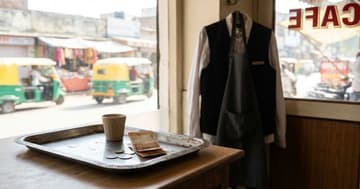
In South Korea, the general rule is simple: tipping is not expected and is generally not practiced. Unlike in North America, where service staff rely on gratuities to supplement their income, South Korean workers are paid a standard wage. Leaving money on the table at a restaurant may result in a server chasing you down the street to return "forgotten" change. It is seen as a gesture of confusion rather than one of generosity.
Most prices in South Korean shops and restaurants are entirely transparent. A 10% Value Added Tax is legally required to be included in the displayed price of goods and services. This means the number you see on the menu is the final total at the register. Because there are no hidden fees, the transactional culture is straightforward, valuing efficiency and clarity over the subjective appraisal of service quality.
The cultural concept of service
Instead of tips, Koreans have a concept called "service" (pronounced seobiseu). This refers to complimentary items—like an extra side dish, a free drink, or a small appetizer—given to customers as a gesture of hospitality. If you receive these items, the correct response is a sincere thank you rather than a monetary reward. Offering money in exchange for these gifts can be misinterpreted as trying to buy a favor.
Modern exceptions and controversies
There are rare exceptions to the no-tipping rule, primarily in international contexts. Luxury hotels in Seoul may include a mandatory 10% service charge on top of the tax. In these specific environments, the extra fee is automatically added to your bill, so there is still no need to leave cash. Similarly, private tour guides who cater specifically to Western tourists may accept tips, but they are never required or demanded.
Recently, some Western-style cafes in trendy neighborhoods like Seongsu-dong have experimented with tip jars or digital tipping prompts. This has sparked significant debate among locals, with many expressing frustration over the potential rise of a foreign tipping culture. Despite these isolated occurrences, the vast majority of Koreans remain firmly against the practice, viewing it as an unnecessary burden on the consumer.
Final thoughts on etiquette
Navigating the etiquette of a new country requires understanding the social contract. In South Korea, that contract dictates that good service is a standard expectation of the job, not a bonus to be purchased. By refraining from tipping, you are participating in a culture that values equity and predictable pricing. When in doubt, a polite bow and a sincere expression of gratitude are the only gratuities you truly need to provide.