Serbia’s hospitality scene blends Balkan tradition with modern European service. For travelers navigating the streets of Belgrade or the historic kafanas of Niš, understanding the local etiquette for "bakšiš" is essential. While tipping is not legally mandated, it is a deeply rooted social expectation that rewards quality work and attention.
As the tourism sector grows in early 2026, visitors should know that a standard tip of 10 to 15 percent is expected in restaurants and cafes. This gesture honors the effort of the staff and aligns with contemporary Serbian dining standards across the country. Tipping in Serbia is a natural extension of the nation's well-known culture of generosity and warmth toward guests.
Dining etiquette and percentage standards
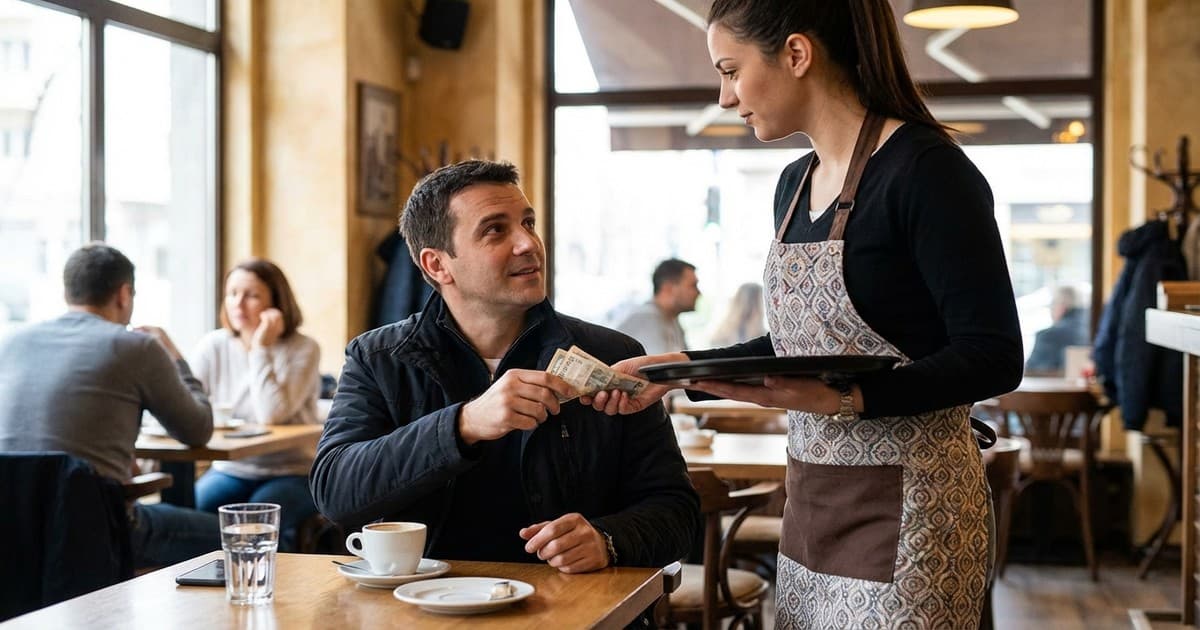
In most Serbian restaurants, a service charge is rarely included in the final bill. Instead, patrons are expected to calculate and add a gratuity themselves. For a standard meal with satisfactory service, adding 10 percent is the norm. In higher-end establishments or for exceptional service, increasing this to 15 percent is a gracious gesture that is highly appreciated by the professional waitstaff.
A significant quirk of the Serbian system involves payment methods. While most modern venues in Belgrade accept credit cards, the digital tipping infrastructure remains inconsistent. It is often impossible to add a tip to a card transaction. Experienced travelers carry Serbian dinars to leave on the table, ensuring the server receives the gratuity directly rather than it being lost to bank fees or administrative delays.
Handling taxis and hotel services
When using taxis, tipping is appreciated but not strictly required. Most locals simply round up the fare to the nearest 50 or 100 dinars to avoid the hassle of small coins. If a driver helps with heavy luggage or provides useful local recommendations, adding an extra 100 to 200 dinars is considered polite. This ensures a smooth transaction while showing respect for the driver's time and professional assistance.
Hotel staff in Serbia follow international standards for gratuities. For porters who carry bags to your room, a tip of 100 to 200 dinars per bag is standard. Housekeeping staff are often overlooked, but leaving a small daily amount or a larger lump sum at the end of your stay is a kind gesture. These small amounts are significant for service workers who often rely on gratuities to supplement their monthly base salaries.
The etiquette of coffee and bars
For quick visits to coffee shops or bars, the rules are more relaxed. If you are ordering a single espresso or a beer, rounding up to the nearest round number is common practice. For instance, if your bill is 280 dinars, leaving 300 dinars is perfectly acceptable. This small gesture, known locally as "leaving the change," is a simple way to acknowledge the server without the formality of a full percentage-based calculation.
Mastering the nuances of tipping in Serbia is less about rigid rules and more about recognizing genuine hospitality. Whether you are enjoying a multi-course feast or a quick glass of rakija, a small tip signals respect for the local culture. By keeping a few dinar notes on hand and aiming for the 10 percent mark, you can navigate Serbian social settings with confidence and honor the hard work of the local service industry.