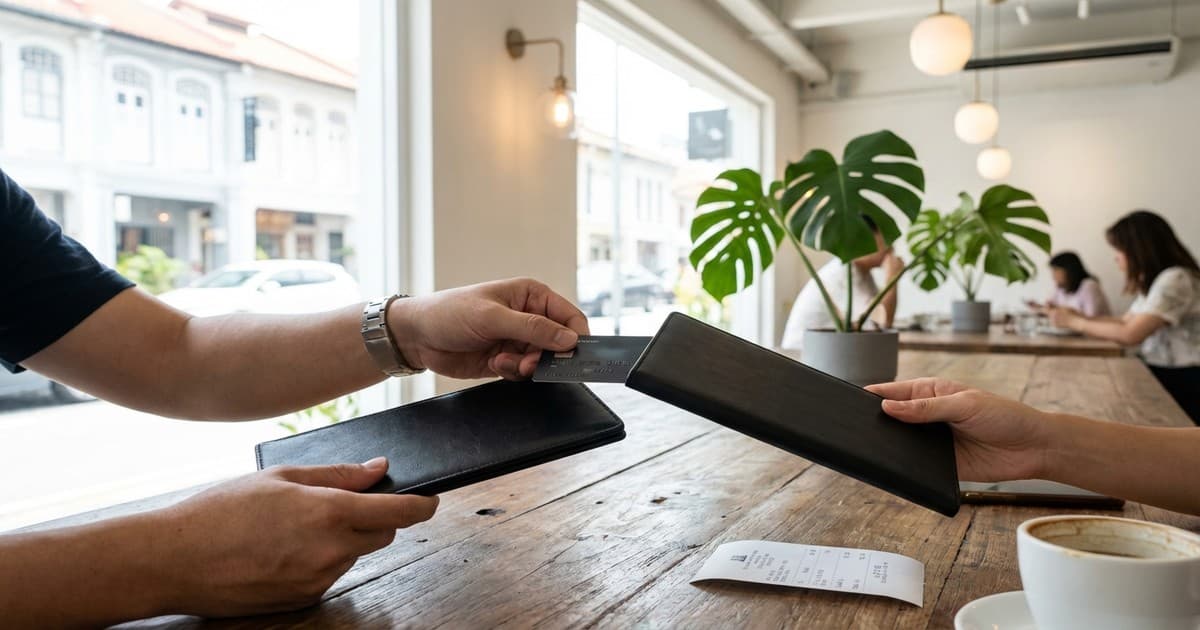
When considering tipping in Singapore, it is important to know that the practice is generally not expected or required because of a standardized service charge system that is widely adopted across the hospitality sector. Most sit-down restaurants add a mandatory fee to the bill, which covers the staff's efforts and operational costs. This system ensures that service remains consistent without the pressure of calculating a gratuity at the end of a meal.
Visitors often find this straightforward approach a relief compared to the complex tipping cultures found in many Western nations. While the practice is not mandatory, the landscape is influenced by the "plus plus" notation seen on menus. This shorthand refers to the 10% service charge and the prevailing Goods and Services Tax (GST).
Understanding the "plus plus" system
Since these costs are already factored into the final amount, adding an extra tip is seen as a generous but unnecessary gesture that locals rarely perform in casual settings. Understanding this system is essential for any traveler planning their budget. When you see prices listed as $20++, the actual cost will include an additional 10% for service.
After the service charge is added, the current 9% GST rate is applied to the updated subtotal. Because this 10% service charge is intended to be distributed among the staff, it serves as the functional equivalent of a tip in many established dining venues. This transparency helps diners know exactly what they are paying for before they even reach the cashier.
Transport and taxi etiquette
For taxi drivers and private hire services like Grab, the etiquette remains similar to the dining industry. Most passengers simply choose to round up the fare to the nearest dollar for convenience and speed. If a fare comes to $14.20, leaving the change is appreciated but is never demanded or expected by the driver at the end of the journey.
With the rise of digital payments and ride-hailing apps, the habit of leaving a small cash gratuity has become even less common among the general population. Most apps now offer a digital tipping option after the ride is completed. While this feature is readily available, it remains entirely optional and is not considered a standard social requirement in the city.
Hotels and personalized service
Upscale hotels represent a slight exception to the general non-tipping rule. While service charges are still included in the room rates and restaurant bills, bellhops and porters who assist with heavy luggage are often given a small token of appreciation. A tip of $2 to $5 is considered a kind gesture for exceptional manual assistance when checking in or out.
Even in luxury establishments, staff will never linger or wait expectantly for payment after performing a task. The culture of hospitality in Singapore is built on a high level of professionalism rather than the anticipation of extra income. This allows for a more relaxed and authentic interaction between guests and service staff throughout their entire stay.
The hawker center exception
In hawker centers and food courts, which are the backbone of the local culinary scene, tipping is virtually non-existent. These are largely self-service environments where customers often return their own trays to designated stations. Offering a tip in a bustling hawker center might even cause confusion for the vendors who are focused on high-volume service.
The hawker culture is built on efficiency and low overheads rather than personalized table service. Attempting to tip here is not only unnecessary but also tends to disrupt the fast-paced flow of these iconic dining spots. It is best to simply pay the exact price listed on the stall's menu and enjoy the affordable, high-quality street food.
Final thoughts on local norms
Ultimately, tipping in Singapore remains a matter of personal discretion rather than a firm social obligation. The city-state prides itself on a transparent pricing model where the cost of service is integrated into the bill from the start. While a small tip for exceptional service is always welcomed, you should never feel pressured to pay more than the stated price.
Adhering to these local norms ensures a smooth and respectful experience during your visit to the Garden City. By understanding the "plus plus" system and the self-service nature of local food centers, travelers can navigate the city with total confidence. In Singapore, great service is a professional standard, not something that must be purchased separately.