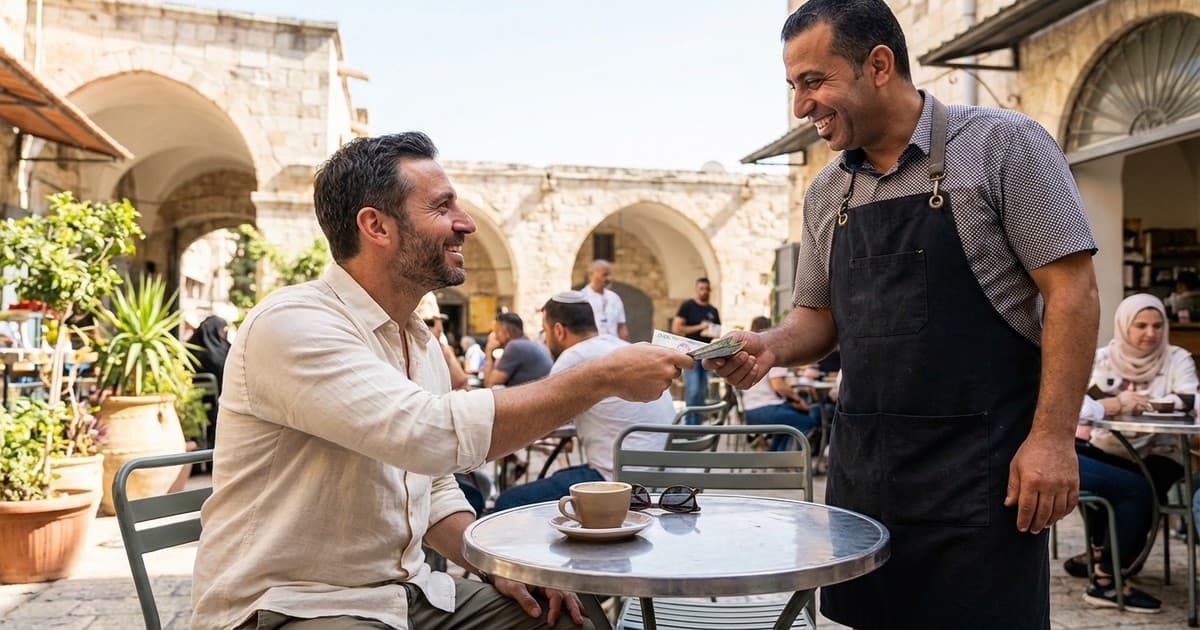
For many travelers, navigating the nuances of tipping in the Middle East can feel like deciphering an unwritten social code. Unlike the structured percentages found in Western dining, the exchange of gratuity across this region is an expression of 'karam'—the deeply held value of generosity. Understanding these expectations is about more than just payment; it is about acknowledging the relationship between the host and the visitor. While the mechanics change from the luxury hubs of the Gulf to the ancient streets of the Levant, the underlying philosophy remains consistent, blending religious traditions with modern service expectations.
The Cultural Fabric of Middle Eastern Hospitality
In Middle Eastern culture, service is often viewed through the lens of hospitality rather than a simple commercial transaction. This tradition is deeply influenced by Islamic principles of charity and the historical importance of welcoming strangers. When a server or guide provides attentive care, they are fulfilling a social role as much as a professional one. Gratuity, therefore, acts as a gesture of appreciation for that hospitality, reinforcing social bonds and acknowledging the dignity of the work performed within the service culture.
This focus on interpersonal connection means that tipping is frequently more personal and fluid than in other parts of the world. It is a social lubricant that ensures the smooth operation of daily life, from the smallest interactions in a souk to the high-end service of a five-star resort. By approaching a tip as an act of gratitude rather than a tax, visitors align themselves with local social norms, transforming a financial exchange into a sign of mutual respect.
Regional Similarities and National Nuances
While hospitality is the common thread, the actual practice of tipping varies significantly based on local economic structures. In the wealthier Gulf Cooperation Council (GCC) nations, tipping is often an expected supplement to high-end service. Conversely, in North Africa or the Levant, it may be a more essential part of a worker’s livelihood. Travelers often find that global tipping rules are confusing precisely because they attempt to apply one standard to many different cultures. In the Middle East, the 'right' amount is often dictated by the context of the service and the local cost of living.
For instance, the expectations in a Dubai skyscraper differ vastly from those in a Moroccan riad. In some areas, service charges are included on bills, but a small additional gesture is still welcomed as a personal acknowledgement. In others, the absence of a service charge makes the tip the primary way to recognize effort. Understanding these variations requires a country-specific approach, as the social expectations are closely tied to the economic reality and history of each individual nation.
Addressing the Misunderstanding of Baksheesh
One of the most common misunderstandings for Western visitors is the concept of 'baksheesh.' Often incorrectly translated simply as 'tip' or 'bribe,' baksheesh is actually a multifaceted term covering everything from a standard gratuity to almsgiving. In many Middle Eastern societies, it is a mechanism for the redistribution of wealth and a way of showing kindness to those in service roles. It is rarely an aggressive demand; rather, it is a request for a social acknowledgement within a culture that prioritizes community welfare.
When travelers view baksheesh through a negative lens, they miss the cultural nuance behind the request. In a region where personal relationships define business, offering a small tip for help with directions, luggage, or even a photograph is a way of participating in the local social order. It is an acknowledgement that someone has gone out of their way to assist you, reflecting the spirit of generosity that defines the Middle Eastern service experience across all levels of society.
Middle East Country Guide Index
To ensure you are prepared for the specific customs of your destination, please refer to our detailed country-specific guides below:
- Tipping in Saudi Arabia
- Tipping in the United Arab Emirates
- Tipping in Egypt
- Tipping in Morocco
- Tipping in Tunisia
Conclusion
Navigating the service landscape of this region requires more than a standard percentage guide; it demands an appreciation for the local spirit of generosity. Tipping in the Middle East is rarely about a mandatory fee and almost always about a gesture of mutual respect. By recognizing the social logic behind these exchanges, travelers can navigate their journeys with greater confidence and cultural sensitivity. For those planning specific itineraries, diving into the individual logistics of each nation is the next logical step toward mastering the art of the local gratuity.