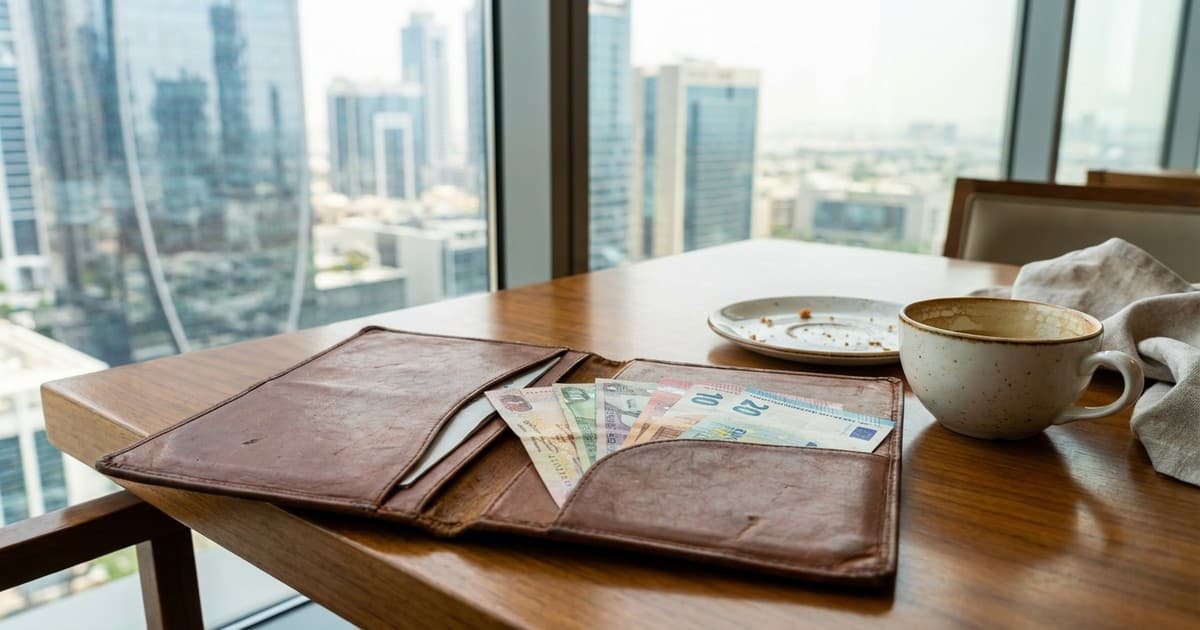
In the cosmopolitan hubs of Dubai and Abu Dhabi, the question of how much to leave on the table remains a common point of confusion for visitors. While the practice is not legally mandated, tipping in United Arab Emirates has become a standard social expectation within the service industry. As of 2026, the local landscape is defined by a blend of traditional hospitality and modern billing practices.
Understanding when a service charge is already included and when an extra gratuity is appropriate is essential for navigating the country’s luxury dining and tourism sectors effectively. Most residents and frequent travelers agree that while tips are voluntary, they are a vital way to acknowledge the hard work of the diverse expatriate workforce that keeps the nation’s service engine running smoothly every day.
Navigating restaurant service charges
Most high-end restaurants in the Emirates now include a 10% service charge on the final bill. However, it is important to note that this fee often goes to the establishment rather than directly to the server. For exceptional service, diners typically add an additional 10% to 15% gratuity on top of the total to ensure the staff member is personally rewarded for their attention.
In more casual settings where no service fee is listed, rounding up the bill or leaving a small cash amount is considered a polite gesture. Even in food courts or fast-casual spots, leaving a few dirhams in a tip jar is becoming more common. Always check your receipt first to see if a charge has already been applied, as this helps you decide how much additional cash to leave behind for the person who served you.
Taxis and ride-sharing etiquette
Navigating the UAE’s extensive taxi and ride-sharing networks involves its own set of unwritten rules. For standard RTA taxis in Dubai or Abu Dhabi, most passengers choose to round up the fare to the nearest five or ten dirham note. If a trip costs 27 dirhams, leaving 30 is a common and appreciated practice. This small difference is rarely requested by drivers but is always accepted as a sign of mutual respect.
While apps like Uber and Careem offer digital tipping options, many drivers still prefer receiving a small cash tip directly to ensure they receive the full benefit immediately. If you have had an exceptionally smooth ride or the driver helped with heavy bags, a 5 to 10 dirham tip is standard. In the heat of the summer months, these small gestures are particularly appreciated by those working long hours on the road.
Hotel staff and personal services
Hotel staff, including porters and valets, play a significant role in the UAE’s renowned hospitality experience. A tip of 5 to 10 dirhams is generally expected for luggage assistance or when retrieving a vehicle from valet parking. Housekeeping staff are often overlooked, but leaving a small daily gratuity of 10 dirhams can go a long way in acknowledging their efforts in maintaining the high standards of luxury accommodation.
In the beauty and wellness sector, tipping is highly customary and reflects the personal nature of the service. Whether visiting a high-end spa in a five-star hotel or a local barber shop, a tip of 10% to 15% of the service cost is standard. If multiple staff members are involved, such as one person washing hair and another cutting it, many clients choose to tip each individual separately to ensure everyone is recognized.
Ultimately, tipping in the United Arab Emirates is a reflection of the country's broader culture of generosity and respect. While no one will be penalized for not leaving a tip, the gesture is a vital part of the income for many service workers in the region. By staying informed about when service charges are included and adjusting gratuities based on the quality of care received, visitors can navigate the local etiquette with confidence.
This balanced approach ensures a positive experience for both the traveler and the dedicated professionals serving them. As the UAE continues to evolve as a global tourism leader, these social norms provide a framework for showing gratitude in a way that aligns with local customs. Whether in a high-rise restaurant or a local taxi, a little extra can make a significant difference in the lives of those providing the service.