Americans are navigating an era of "tip fatigue" as digital prompts appear at self-service kiosks and drive-thrus alike. This phenomenon has transformed a once-discretionary reward for good service into an expected supplement for even the most basic transactions. The reason tipping culture in the United States is so extreme stems from a mix of post-Civil War history, a federal "tip credit" system that allows sub-minimum wages, and new digital payment interfaces.
The legal structure of service industry wages
Under the Fair Labor Standards Act, the federal government permits businesses to count a portion of a worker’s tips toward their minimum wage obligations. This "tip credit" effectively shifts the burden of payroll from the employer to the customer. While some states have abolished this sub-minimum wage, the majority still rely on it. This creates a high-stakes environment where a server's livelihood depends entirely on the generosity of diners.
A history rooted in the Reconstruction era
The roots of this system trace back to the era following the Civil War. At that time, tipping was introduced as a way for employers to avoid paying fixed wages to newly freed Black workers. It was initially viewed by many as un-American and elitist, but the hospitality industry successfully lobbied to codify it into law. Over many decades, what began as a tool for exploitation became a standardized economic model that defines American dining.
The rise of digital prompts and tip creep
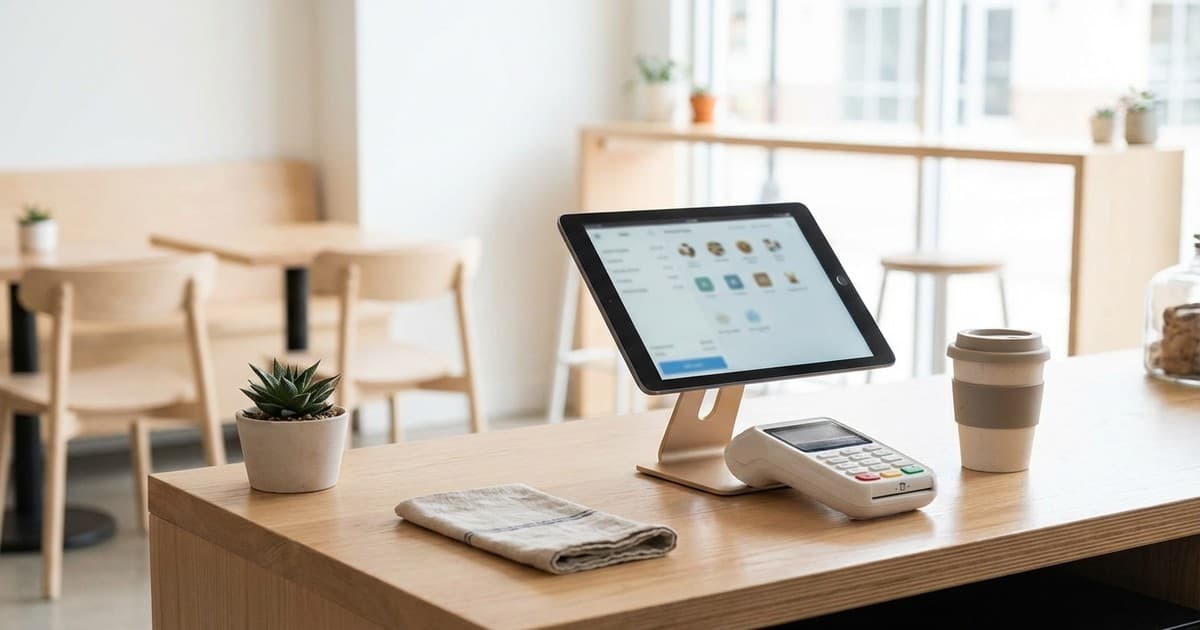
In recent years, the landscape has shifted due to the rise of digital point-of-sale systems. These tablets often present customers with pre-set gratuity options, sometimes starting as high as 20 percent, even for simple counter service. This technological nudge has expanded tipping into sectors where it never previously existed. This pressure, combined with high inflation, has left many consumers feeling obligated to subsidize workers' incomes.
The future of the American gratuity system
Today, the American tipping model faces scrutiny as both workers and consumers express frustration. While some restaurants advocate for "service included" models, the deeply ingrained reliance on the tip credit makes such transitions difficult for small businesses. Ultimately, the extremity of this culture is a reflection of a labor system that prioritizes low overhead for owners by relying on the emotional and financial exchange between worker and patron.