In Egypt, tipping is more than a courtesy; it is a foundational social contract known as baksheesh. This cultural pillar helps bridge the gap between low base wages and the high cost of living. For travelers, understanding when, where, and how much to tip is essential for smooth interactions.
From the bustling markets of Cairo to the quiet temples of Luxor, knowing the etiquette of tipping in Egypt ensures you respect local customs while receiving better service during your journey. As the economy shifts in early 2026, staying updated on current rates helps travelers navigate daily life with confidence and grace.
The cultural significance of baksheesh
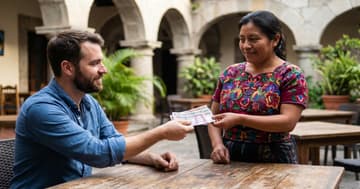
Baksheesh is a term that encompasses tipping, almsgiving, and even charitable acts. It is deeply woven into the fabric of Egyptian society, representing a redistribution of wealth rather than just a payment for service.
While some visitors may find the frequent requests for tips overwhelming, it is helpful to view them as an integral part of the service economy. Recognizing this tradition fosters a more authentic connection with the local community.
Recommended gratuity rates for 2026
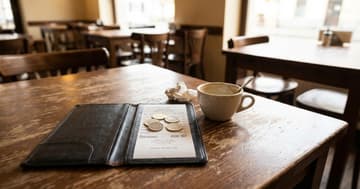
For most dining experiences, a tip of 10% to 15% is standard. While many restaurants include a service charge on the bill, this often goes to the establishment rather than the individual waiter. Adding a small cash amount directly to the server is the best way to ensure they receive the gratuity.
Hotel staff, such as porters and housekeepers, typically receive 20 to 50 Egyptian pounds. For tour guides, who provide deep historical context and logistical support, a daily tip of 200 to 400 Egyptian pounds is common, depending on the group size and the complexity of the itinerary.
Practical tips for handling currency
Always carry small denominations of Egyptian pounds. Large bills are difficult for vendors to change and can lead to awkward situations when a smaller tip is appropriate.
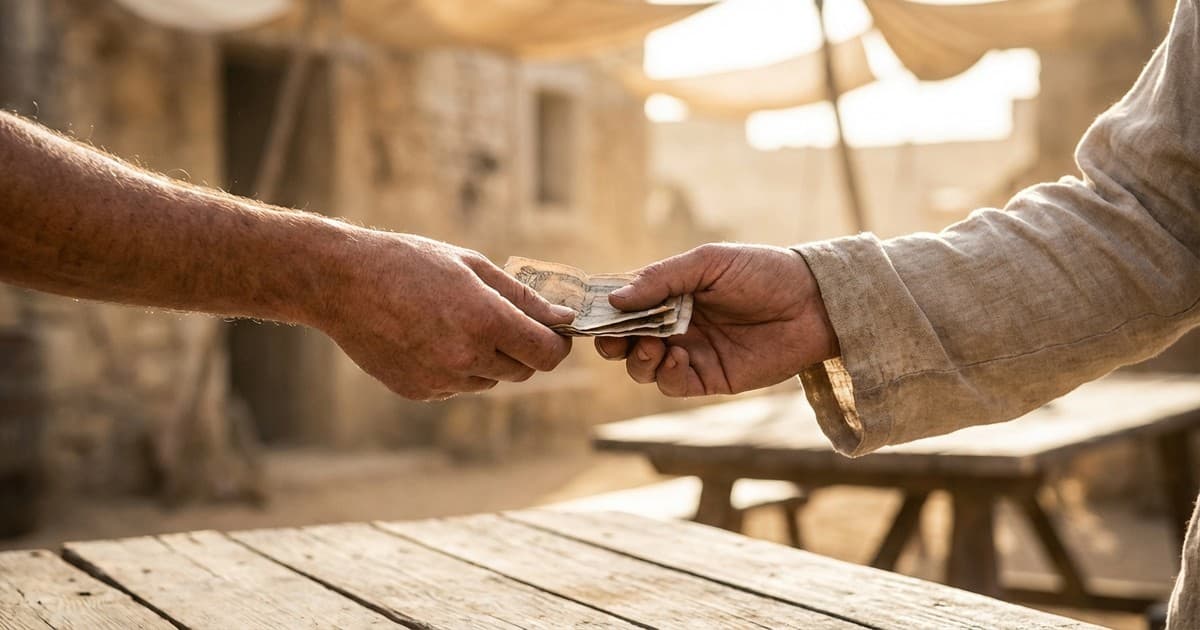
Coins and 5, 10, or 20-pound notes are the most useful for daily transactions. Avoid tipping in foreign coins, as these cannot be easily exchanged at local banks. If you must use foreign currency, high-denomination notes like five or ten dollars are acceptable, though local currency is always preferred.
When to skip the tip
Not every interaction requires baksheesh. You are not expected to tip for basic directions or brief social chats. If someone is being overly aggressive or providing a service you did not request, a polite but firm "la shukran" (no thank you) is the appropriate response.
Mastering the art of baksheesh is about balance and respect. While no one expects travelers to overspend, small gestures of appreciation go a long way in Egypt. By following these guidelines, you can ensure your trip is characterized by positive exchanges.
Tipping remains a powerful way to support the local workforce while enjoying the legendary hospitality that defines the Egyptian travel experience. In 2026, your contribution helps sustain the families behind the world-class tourism industry.