Understanding nuances of tipping in Tunisia requires a blend of cultural awareness and practical knowledge. In 2026, the tradition of 'pourboire' remains a vital part of the local economy. While tipping is not mandatory, it serves as a gesture of appreciation for service workers who rely on these small extras to supplement their fixed income.
This guide to travel etiquette Tunisia outlines expectations to help you navigate your journey with confidence and insight. Whether you are in a Tunis cafe or a desert camp, knowing how much to give is essential. Small gestures of currency foster genuine connections and show you value the hospitality extended to you by local staff during your entire visit.
Dining and cafe culture
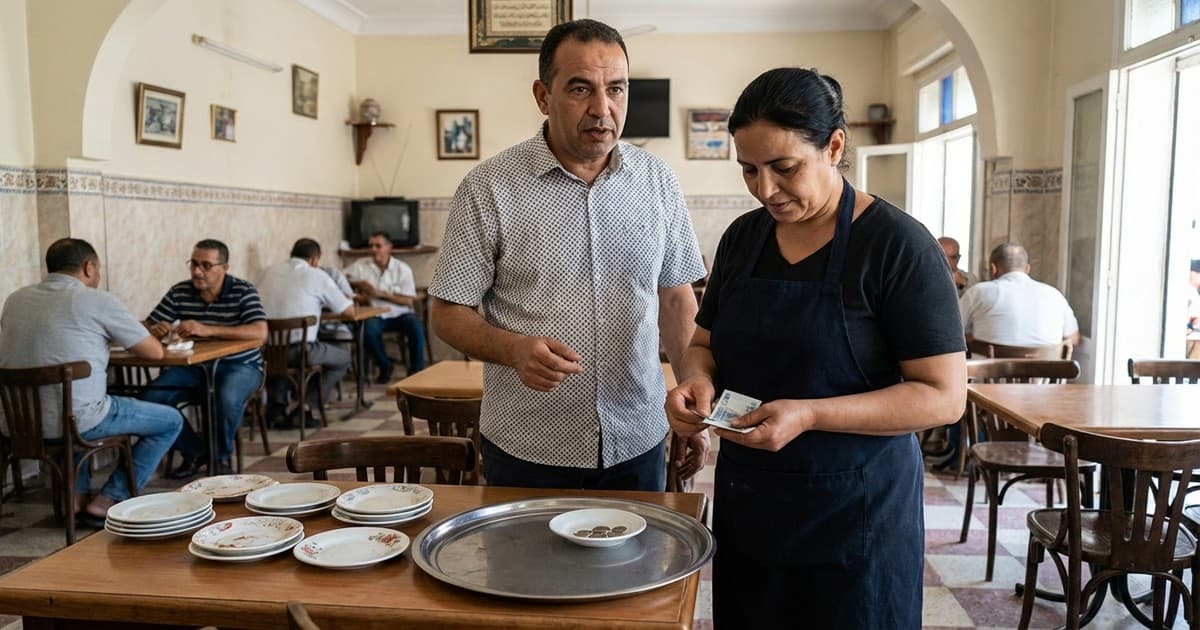
In most Tunisian restaurants, a tip of roughly 10 percent of the total bill is considered the standard for good service. While some upscale establishments may include a restaurant service charge, this rarely reaches the staff directly. It is generally better to leave cash on the table rather than adding it to a credit card payment, ensuring the server receives the intended amount immediately without delay.
For more casual settings, such as small cafes or traditional tea houses, the rules are more relaxed. It is common practice to simply round up to the nearest dinar or leave the small change behind. In a country where a coffee might cost only a few dinars, leaving a 500-millime coin is a small but appreciated gesture that acknowledges the effort of the staff during your visit.
Hotel staff and porters
When staying at hotels or resorts, tipping individual staff members is a routine part of the guest experience. For porters who assist with heavy luggage, a tip of one to two dinars per bag is appropriate. This recognition of physical labor is customary and helps maintain the high standards of hospitality that Tunisian tourism is known for across the Mediterranean region during the busy season.
Housekeeping staff also appreciate recognition for their daily upkeep of your room. Leaving a few dinars on the desk or nightstand every couple of days is better than leaving a single large tip at the end of your stay. This ensures that the specific individual responsible for your room’s cleanliness during those days receives the benefit of your generosity directly, rather than it being split later.
Transportation and tours
Navigating Tunisian cities often involves using the ubiquitous yellow taxis. For these short trips, drivers do not expect a percentage-based tip. Instead, most passengers simply round up the fare to the nearest whole Tunisian dinar. For example, if the meter shows 4.600 dinars, giving the driver five dinars is a standard and polite way to conclude the transaction without any fuss or need for small change.
Private tour guides and drivers for longer excursions operate on a different scale. If you have spent a full day exploring ancient Carthage or the Sahara, a tip of 20 to 30 dinars per person is a respectful way to thank them for their expertise. These professionals often rely heavily on tips to supplement their income during the peak travel seasons when international visitor numbers are at their highest.
Ultimately, tipping in Tunisia is about human connection rather than strict percentages. Small coins let you reward hospitality without a complex budget. This practice helps the local workforce and enriches your trip through mutual respect. Such gestures show you value the warmth of the Tunisian people, bridging gaps as you travel. Carrying spare change ensures you are always ready to say a quick thank you to your kind local hosts.