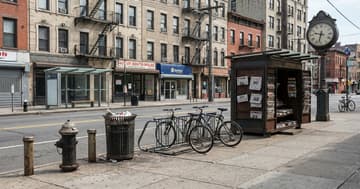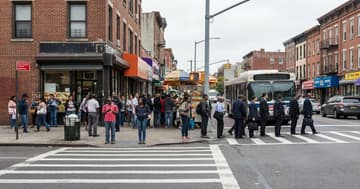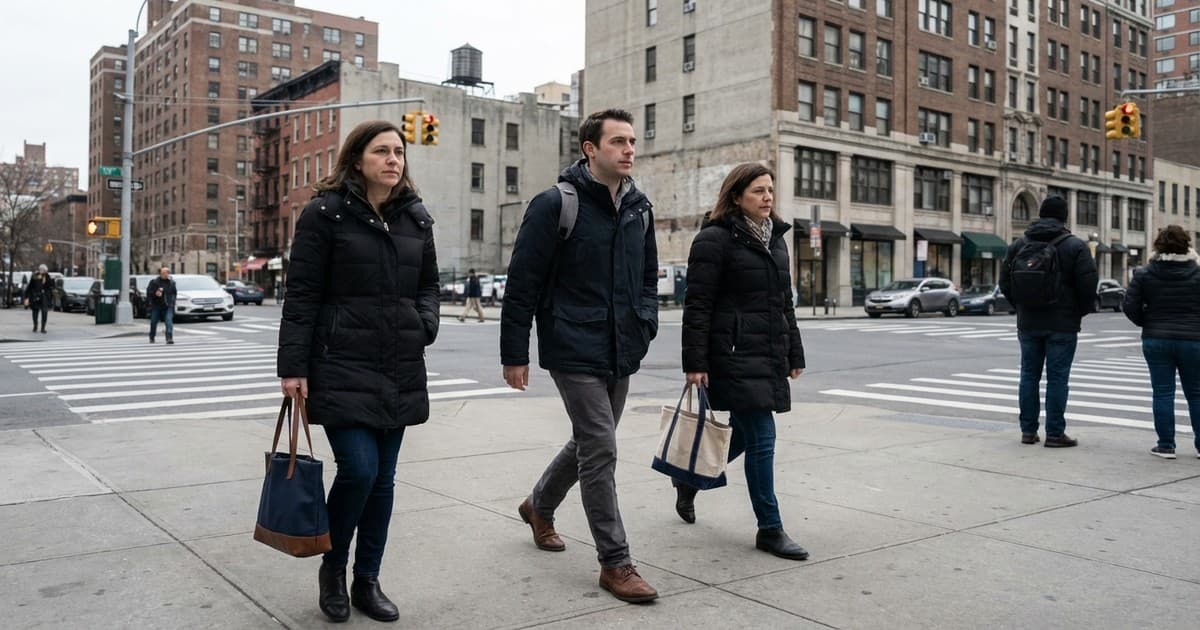
Most people believe their morning routines and sleep schedules are products of personal preference. In reality, our environment often makes these decisions for us. As populations concentrate in dense hubs, urban living habits are increasingly a reaction to infrastructure rather than a series of personal choices. This invisible architecture shapes our movements and rhythms, creating a collective routine dictated by the city's layout.
How infrastructure moves the body
Urban planners often discuss "forced movement," where city layout determines activity levels. In cities designed for walkability, residents naturally hit their step counts without ever visiting a gym. In car-centric sprawls, driving is a necessity of distance rather than a preference for comfort. The built environment functions as a silent choreographer, deciding how much we move based on the proximity of essential services and workplaces.
Consumption and space constraints
Our shopping habits are also dictated by the square footage of our apartments. Small living spaces in metropolitan areas discourage bulk buying, leading to a "grab-and-go" lifestyle. This frequent consumption is often framed as a preference for freshness. In truth, it is a logistical adaptation to limited kitchen storage. People buy what they can fit, making the local convenience store an extension of their own kitchen pantry.
The socialization of public space
Social interaction is another product of a city’s "third spaces," such as parks and cafes. In dense centers, the lack of private outdoor space forces social life into the public eye. Meeting a friend at a bistro is rarely just a choice of venue; it is often the only viable option when homes cannot accommodate guests. These city life behaviors are shaped by the need for communal space in an environment where privacy remains a luxury.
Biological impacts of the city
Light and noise pollution in major hubs have fundamentally altered human circadian rhythms. The "night owl" tendency of many city dwellers is often a response to constant stimulation and artificial lighting. When the metropolitan lifestyle never truly pauses, the body’s internal clock adjusts to a 24-hour cycle of activity. This shift overrides natural biological cues, making late-night activity a requirement of the urban environment.
Recognizing that our behaviors are tied to our surroundings is the first step in reclaiming agency. While we cannot always change the layout of our streets, understanding these influences allows for more intentional adjustments. Ultimately, the city provides a framework, but awareness helps us navigate it more effectively. As urban centers continue to evolve, the challenge remains to design spaces that support human well-being.