Walking through the streets of Tokyo feels fundamentally different from navigating the avenues of New York or the narrow alleys of Rome. While every city provides housing and commerce, the invisible scripts governing daily interactions vary wildly. This divergence is rooted in urban geography, a complex and evolving intersection of history, climate, and local policy that shapes how we move and interact today.
Understanding why these rules shift is essential for navigating our increasingly modern world. No two skylines share the same social DNA, as geography dictates the very nature of human connection and movement. By examining the physical and social bones of a city, we can begin to see why life in London follows a different tempo than life in Lagos, even when the basic human needs remain the same.
How infrastructure dictates social behavior
The physical layout of a city often dictates the social pace of its residents. In older European centers, narrow streets designed for foot traffic foster intimate, localized communities. Conversely, North American cities built around the automobile prioritize speed and separation. This structural choice, a product of specific infrastructure and city planning, influences how residents perceive distance and social interaction.
The power of cultural norms and public space
Local cultural norms further refine these invisible laws in profound ways. In some metropolises, the public square acts as an extension of the living room, a place for boisterous debate. In others, public space is treated with hushed reverence, where efficiency and silence are the gold standard. These rules are rarely written down, yet they are strictly enforced by the community, shaping everything from transit etiquette to nightlife.
Economic policy and the design of daily life
Economic policies and governance also play a silent but powerful role in daily life. Zoning laws determine whether a neighborhood is a mixed-use vibrant hub or a sterile residential zone. In cities with robust social safety nets, public parks often serve as the heartbeat of the community. In more privatized environments, life revolves around gated spaces. These top-down decisions fundamentally alter how people inhabit their environment.
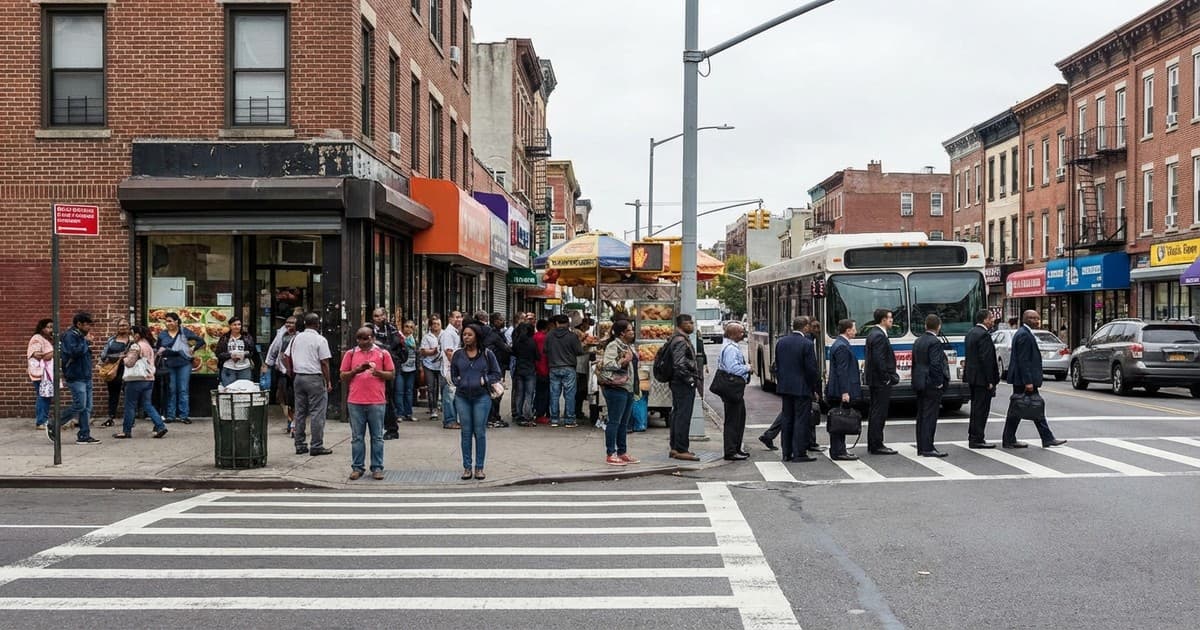
Ultimately, the rules of urban life are not universal because cities are not mere collections of buildings. They are reflections of the people who built them and the unique challenges they faced. From the way we queue for a bus to the way we greet a neighbor, these behaviors are survival mechanisms adapted to specific environments. Recognizing this diversity allows us to appreciate the unique pulse of every city we visit.