Sweden represents a unique intersection of egalitarian labor values and advanced digital infrastructure. In a country where physical currency is nearly extinct, the tradition of leaving coins on a table has almost entirely vanished. Understanding tipping in Sweden requires a shift in perspective from traditional service rewards to a system where fair wages are guaranteed by law. This makes the local approach far more relaxed than high-pressure environments found elsewhere. For those exploring different regions, understanding global tipping rules can help highlight these distinct cultural contrasts.
While much of the continent maintains a standard expectation for small gratuities, the Nordic model stands apart. Travelers often find that tipping in Europe varies wildly based on local union agreements and service inclusion laws. In Sweden, the price you see on the menu is typically the final amount you pay. There are no hidden fees or mandatory service charges added at the end of the transaction. This transparency is a hallmark of the Swedish hospitality industry and reflects the high value placed on worker security.
A labor market built on fair compensation
The primary reason for the lack of a tipping culture is the strength of Swedish labor unions. Waiters, bartenders, and hotel staff earn a living wage that does not depend on the generosity of customers. Because service staff are treated as professionals with full benefits, a tip is viewed as a genuine extra rather than a necessary supplement to a low salary. Visitors should never feel obligated to add a gratuity if they received standard service. It is simply not expected by the staff or the local community.
Navigating the digital payment screen
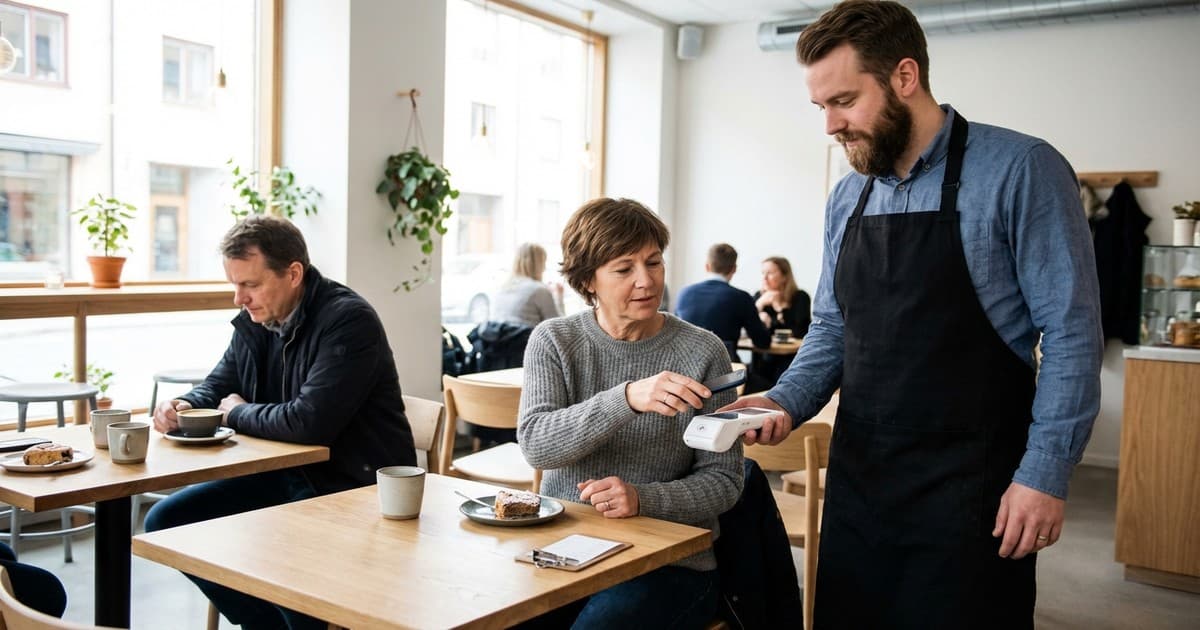
When the bill arrives at a restaurant in Stockholm, you will likely be handed a card terminal. These devices often prompt the customer to enter the total amount they wish to pay. If the bill is 465 krona, many locals will simply enter 465 and press enter. If the service was exceptional, you might round up to 500 krona. This rounding up is the most common form of a Swedish service charge. It is a quick and modest gesture that acknowledges a pleasant evening without the complex math often required in North America.
Expectations in bars and casual settings
In casual settings like cafes or bars, tipping is even less frequent. Most people pay for each drink or coffee individually at the counter. In these situations, adding a tip is virtually unheard of. If you see a small jar for coins, it is largely symbolic in a society where few people carry metal money. The modern equivalent is the digital prompt on the screen. Unless you are receiving table service at a high-end establishment, you can comfortably bypass any tip options without any social friction.
Taxis and hotel services
For transportation, the rules are equally straightforward. Taxi drivers do not expect tips, as their rates are already quite high. If a driver helps with heavy luggage, rounding up the fare is a nice gesture but remains entirely optional. Similarly, in hotels, the staff does not look for tips for carrying bags or cleaning rooms. The concept of leaving money on the pillow for housekeeping is not part of the local norm. In Sweden, the transaction is completed when the room rate is paid.
The social impact of rounding up
Rounding up in Sweden serves as a subtle social signal of satisfaction. It is less about the monetary value and more about the recognition of effort. In upscale fine-dining restaurants, a tip of five to ten percent might be left for a multi-course meal with wine pairings. However, even in these elite venues, the staff will not treat you differently if you choose not to tip. The focus remains on the quality of the hospitality rather than the potential for an extra payment at the end.
Navigating Swedish social norms becomes much easier once you accept the lack of pressure. The cashless system has made transactions efficient and predictable. By focusing on rounding up for great service and recognizing that workers are already well-compensated, travelers can enjoy the Swedish hospitality scene with confidence. Remember that your presence and appreciation are often valued just as much as a small addition to the bill. In Sweden, simplicity and fairness always lead the way in every customer interaction.