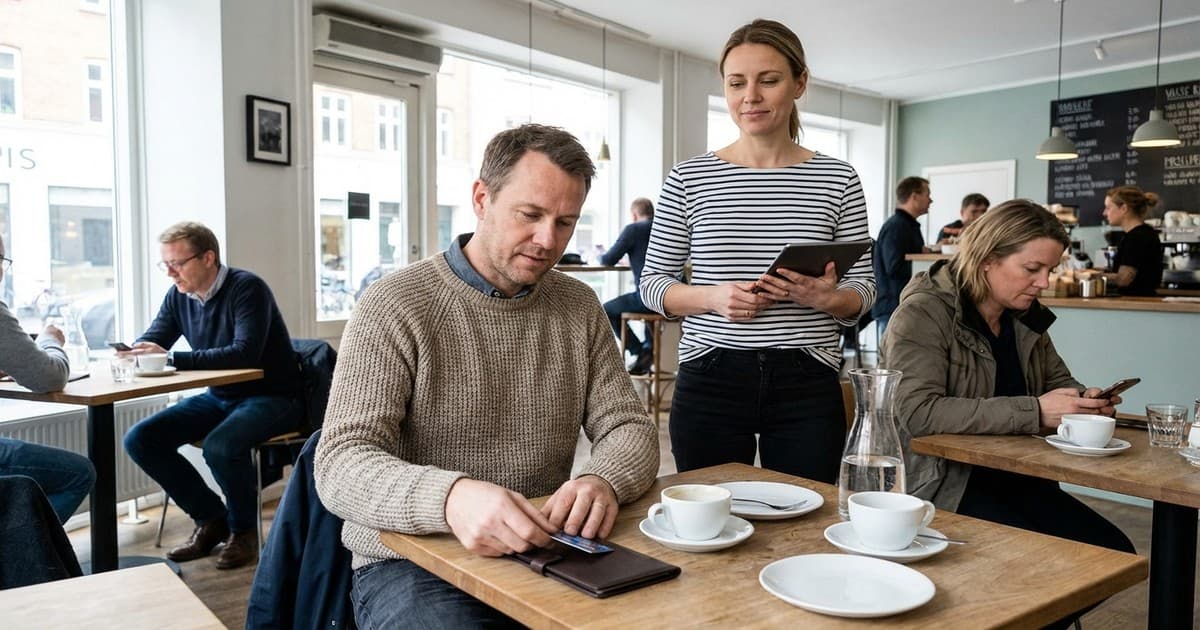
Denmark operates on a high-wage social model where hospitality staff earn a living wage without relying on gratuities. This fundamental economic structure means that tipping in Denmark is not a social obligation but a genuine gesture of appreciation for exceptional service. Navigating these global tipping rules can be confusing for visitors accustomed to different systems. In the Danish context, the price you see on the menu is exactly what you are expected to pay at the end of the meal.
The lack of a tipping culture is rooted in a 1964 Danish law that mandates all service charges be included in the advertised price. While travelers often make common tourist mistakes in Europe by overtipping in Nordic countries, the local population rarely leaves extra cash. This transparency ensures that employees have financial security and diners face no hidden costs when the bill arrives. It creates a transactional clarity that defines the Nordic dining experience.
The etiquette of the Danish dining room
When dining at a restaurant in Copenhagen or Aarhus, the staff will not expect a percentage based tip. Waiters are professional employees with healthcare, pensions, and fair hourly rates. If you encounter service that goes above and beyond, it is acceptable to round up the bill to the nearest hundred kroner. However, this is viewed as a bonus rather than a requirement for standard hospitality.
Digital payment terminals in Denmark often present a tipping option on the screen before you swipe your card. This is frequently a standard setting in the software rather than a direct request from the establishment. Locals often skip this step without feeling any social pressure. If you choose to add five or ten percent at a high-end restaurant, it is well received but never demanded by the staff.
Taxis, hotels, and daily services
Taxi fares in Denmark are strictly regulated and include the service charge by law. Drivers do not expect a tip and you do not need to round up the fare. Similarly, in hotels, the staff at the front desk and the cleaning crews are paid competitive wages. While leaving a small amount for a porter who carries heavy luggage is a kind gesture, it is far from the standard practice among Danes.
In casual settings like cafes or bars, the culture is even more relaxed. Most people pay for their coffee or beer exactly as priced. You might see a small jar for coins at some counters, but these are increasingly rare in a society that is rapidly becoming cashless. The emphasis remains on the quality of the interaction rather than the financial transaction that follows it.
Understanding the cultural context
The Danish approach to money is influenced by egalitarian values often associated with the concept of Janteloven. This cultural mindset prioritizes equality and communal well-being over individual displays of wealth. Tipping can sometimes be seen as an awkward disruption of this balance. By keeping the system simple and inclusive, the Danish hospitality industry maintains a high standard of professional service for everyone.
In summary, visitors to Denmark can enjoy their travels without the stress of calculating gratuities. The most important thing to remember is that the price on the bill is final and all-inclusive. While a small tip for exceptional care is a polite way to say thank you, it is never a social necessity. Focus on enjoying the world-class culinary scene and the relaxed atmosphere of the Danish streets instead.