Navigating gratuities in Colombia requires an understanding of the local "propina voluntaria" system. Unlike many countries where tipping is an afterthought, Colombian hospitality relies on a standard 10 percent suggestion added to restaurant bills. While technically optional, this contribution is a core part of the service industry economy. Understanding when to accept this charge and when to offer extra cash ensures you follow local customs without overpaying. Knowing the nuances of tipping in Colombia helps travelers move through cities like Bogotá and Cartagena with confidence.
The Propina Voluntaria at Restaurants and Cafes
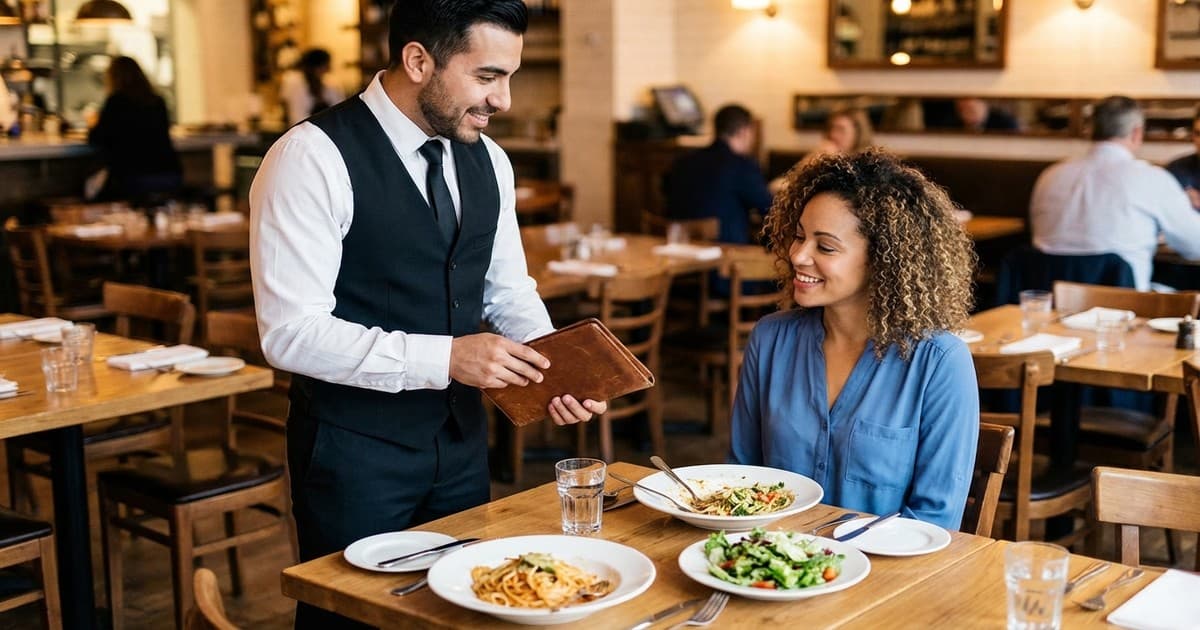
When you dine at a seated restaurant, the server will almost always ask if you wish to include the service charge. This is legally mandated as a voluntary addition. You should check your bill for the words "propina sugerida" or "propina voluntaria" before paying. It is common practice to accept this 10 percent charge if the service was satisfactory. You are not required to pay it if the service was poor.
In casual cafes or lunch spots, the service charge is rarely included. Many visitors find that global tipping rules for confused travelers apply here as well. In these smaller venues, leaving a few thousand pesos in change is a kind gesture but not expected. If you are standing at a counter to order coffee, no tip is necessary.
Transportation and Taxis
Taxis in Colombia operate on meters in large cities or fixed rates in smaller towns. Drivers do not expect a percentage-based tip for a standard ride. Most locals simply round up the fare to the nearest 500 or 1,000 pesos to avoid dealing with small coins. If a driver helps you with heavy luggage, offering an extra 2,000 pesos is a respectful way to show appreciation.
Ride-hailing apps like Uber and Cabify are popular in urban centers. These platforms allow you to add a tip through the app after your journey. This practice aligns with broader trends regarding tipping in the Americas where digital payments are becoming common. You should never feel pressured to tip taxi drivers unless they provide exceptional assistance beyond the drive.
Hotel Staff and Tour Guides
Hotel etiquette follows international standards for service roles. Bell staff who carry bags to your room should receive between 2,000 and 5,000 pesos per bag. For housekeeping, leaving a similar amount on the desk each morning is appreciated. It is better to tip daily rather than at the end of your stay to ensure the person cleaning your room that day receives it.
Tour guides operate on a different scale because they spend significant time with you. For a free walking tour, a tip of 20,000 to 40,000 pesos per person is standard. If you have booked a private full-day excursion, a 10 to 15 percent tip of the total cost is appropriate. This recognition of their expertise is vital for guides who often rely on gratuities as a primary income source.
Practical Advice for Cash and Payments
Colombia remains a cash-heavy society for small transactions despite the rise of card payments in malls. Always carry small bills like 2,000 and 5,000 peso notes for tips. It is often impossible for servers or porters to provide change for a 50,000 peso bill. If you pay a restaurant bill by card, the 10 percent service charge can usually be added to the total on the terminal.
Tipping in Colombia is less about rigid rules and more about recognizing good service within a specific framework. The voluntary 10 percent at restaurants covers most of your social obligations. For everything else, small amounts of cash and rounding up are sufficient. By staying observant and carrying small change, you can navigate the local economy like a seasoned visitor. This balanced approach ensures you support the local workforce while maintaining a fair travel budget.