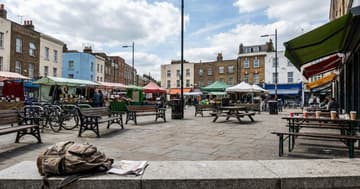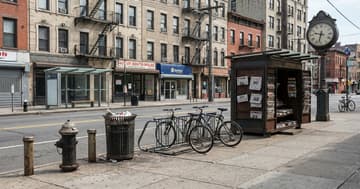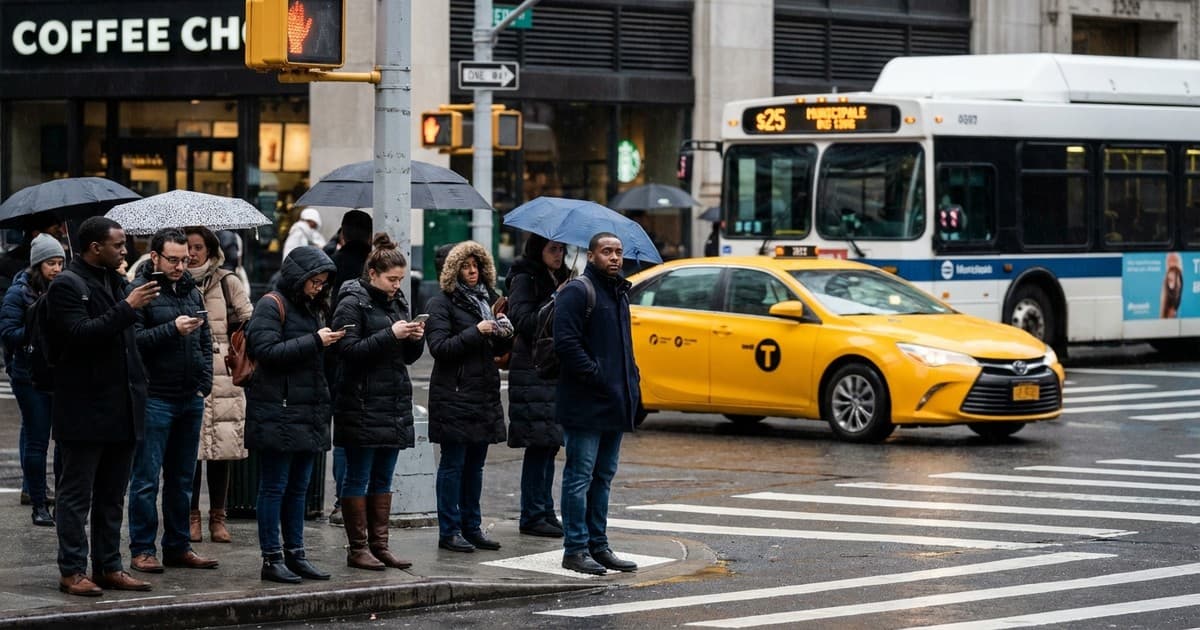
Every morning, millions of people navigate urban landscapes without realizing their movements are choreographed by a complex web of hidden urban rules. Beyond the visible traffic lights lies a deeper layer of governance: the zoning laws and building codes that determine where a shop can open. These invisible constraints do more than maintain order; they dictate the rhythm of our daily lives and the shape of our communities.
Understanding these forces reveals that cities are not accidental clusters of buildings, but carefully engineered systems. By examining these structures, we can see why some neighborhoods thrive while others feel stagnant. These rules provide the unseen blueprint for every interaction we have within the built environment, ensuring that the chaos of millions living together remains functional and relatively predictable.
The rigid logic of modern zoning laws
Most urban environments are defined by zoning laws that strictly separate where we live from where we work and shop. These regulations were originally designed to keep heavy industry away from residential areas, but today they often prevent the organic growth of walkable neighborhoods. By forcing retail and housing apart, these hidden urban rules fundamentally change how we interact with our neighbors and the local businesses that serve us.
By mandating specific land uses, cities inadvertently create long commutes and "food deserts" in otherwise vibrant areas. When a local corner store is prohibited from opening in a housing block, the hidden hand of zoning is actively shaping the community’s social fabric and economic health. These policies determine whether a street feels like a lived-in community or merely a transit corridor for commuters heading to another part of town.
How building codes sculpt the city skyline
Even the height and shape of the buildings around us are governed by setback rules and light easements within strict building codes. In cities like New York or London, buildings must often "step back" as they get taller to ensure sunlight reaches the street level below. This prevents the creation of dark, cavernous wind tunnels, yet it also dictates the iconic skylines we take for granted as part of our daily visual landscape.
Architects do not always choose these jagged shapes for aesthetics; they are often following a rigid mathematical formula designed to protect the public’s access to natural light and air. These codes ensure that even the densest urban centers maintain a sense of openness. Without these unseen constraints, our streets would likely be overshadowed by monolithic walls of glass and concrete that block out the sky and change the local climate.
The human response of desire lines
While formal laws define the pavement, human behavior creates its own unwritten rules known as desire lines. These are the worn paths in the grass where people take shortcuts instead of following paved sidewalks. Savvy practitioners of urban design now study these patterns to understand how a city actually functions versus how it was designed on paper. These tracks represent a silent, collective vote by the public for efficiency.
These informal paths prove that while top-down regulations provide the essential skeleton, the city’s heart is shaped by the collective paths of its residents. When designers ignore these natural human inclinations, they often create spaces that feel hostile or difficult to navigate. Recognizing these patterns allows for a more responsive type of urbanism that prioritizes the actual needs of the people walking the streets every single day.
The high-stakes battle for the curb
The most contested real estate in any modern city is often the narrow strip of asphalt known as the curb. Hidden rules regarding delivery zones, ride-share pick-ups, and street parking dictate who gets to occupy this precious space. As e-commerce grows, the competition for the curb has intensified, leading to new digital management strategies that prioritize short-term efficiency over traditional long-term vehicle storage for residents.
These rules are rarely noticed until a fine is issued or a bus is blocked, yet they are essential for keeping the city's supply chain moving smoothly. The curb is a micro-battleground where public policy and daily convenience constantly collide. By managing this space effectively, cities can reduce traffic congestion and ensure that the vital flow of goods and services is never fully interrupted by the inherent chaos of urban life.
The modern city is a living machine, powered by decisions channeled through a hidden regulatory framework. From the width of a sidewalk to the density of housing, these hidden urban rules provide the structure that prevents total gridlock. While many of these regulations are relics of the past, they remain powerful tools for shaping our future. These unseen codes are what ultimately make high-density living possible.
By pulling back the curtain on these invisible forces, we can better advocate for cities that are sustainable and inclusive. These rules are not static; they must evolve to better serve the people who inhabit these spaces every day. Understanding why our streets look and feel the way they do is the first step toward building a more functional urban future that works for everyone who calls the city home.