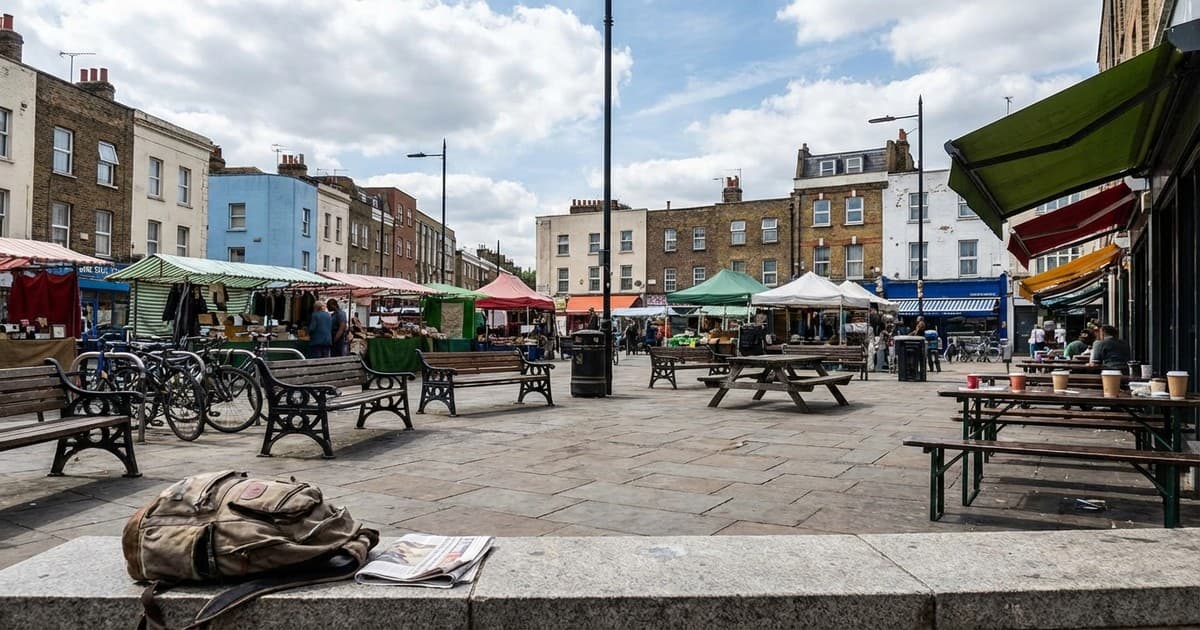
In London, a public square is often a transit hub or a lunch spot for office workers. In Mexico City, the Zócalo serves as a political stage and a communal living room. These variations are not accidental; they are the result of deep-seated cultural expectations and historical planning. To understand why public spaces function so differently across the globe, we must look beyond the architecture and explore the social DNA of the people who inhabit these environments every day.
The primary reason these environments vary so wildly is that they are built on the intersection of cultural heritage, local climate, and historical urban design. While a park in New York might prioritize individual recreation and fitness, a similar space in Tokyo or Seoul often emphasizes collective harmony and quiet contemplation. These differences reflect how a society views the boundary between the private individual and the public collective.
The weight of cultural inheritance
In Southern Europe, the concept of the 'piazza' remains a cornerstone of daily life. It is designed for 'la passeggiata'—the traditional evening stroll where seeing and being seen is the main objective. Here, the architecture facilitates lingering. Wide open spaces are paired with perimeter seating and cafes that spill onto the pavement. The goal is social friction, ensuring that neighbors inevitably cross paths during their routine.
Contrast this with the functional approach found in many Northern European cities. In these regions, urban design often prioritizes efficiency and movement. Parks are frequently cordoned off into specific zones for sports, children, or dogs. The lack of 'loitering' space suggests a cultural preference for purposeful activity over idle socialization, reflecting a different set of priorities regarding how time should be spent in the community.
Climate as a primary architect
Climate also dictates the rhythm of the street. In the sweltering heat of Bangkok or Mumbai, the most vibrant public life occurs after sunset. Markets and plazas come alive when the temperature drops, leading to a 'nocturnal urbanism' that is absent in cooler latitudes. In these cities, lighting and evening security are more critical to the success of a public space than daytime shade or even the presence of green landscaping.
Safety and the social contract
Perceptions of safety and trust further divide global urban experiences. In high-trust societies like Japan, public spaces are often characterized by a lack of heavy-handed security infrastructure. Small children navigate subway systems and parks alone, a sight rarely seen in London or Paris. This social cohesion allows for more open, porous designs that rely on communal self-regulation rather than physical barriers or constant surveillance.
Respecting the local context
Ultimately, the success of any city square or park depends on how well it aligns with the local identity. There is no universal template for a perfect plaza because human needs are not universal. As we move through 2026, urban planners are increasingly recognizing that importing foreign design models rarely works. A space only becomes truly 'public' when it respects the specific social, environmental, and historical context of its citizens.