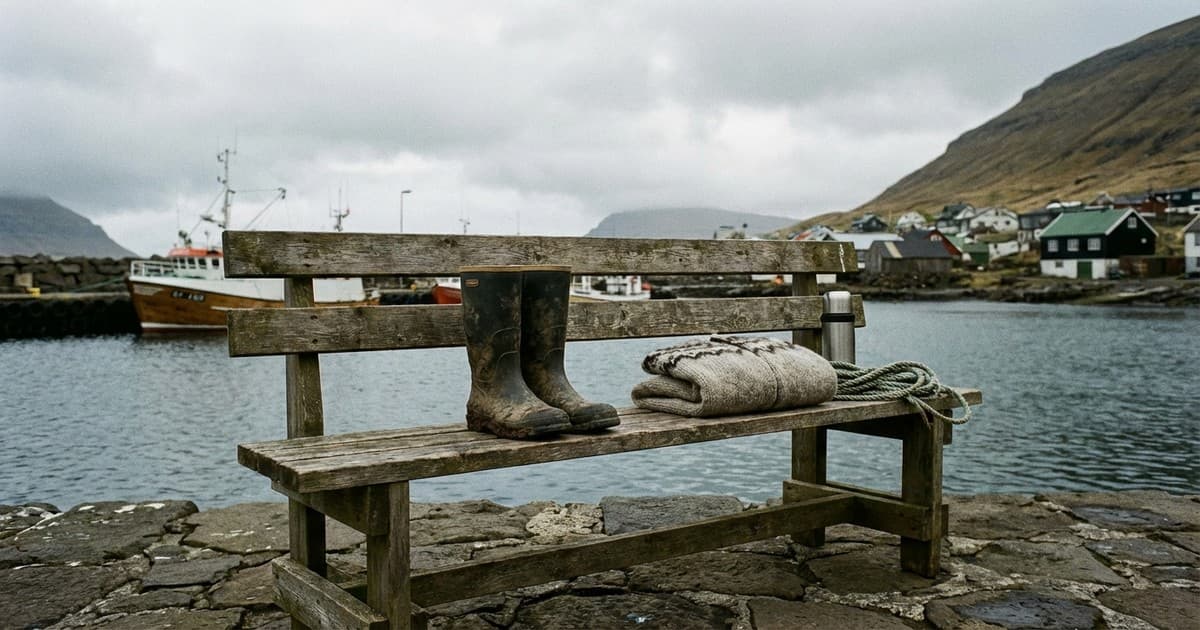
Geography remains the silent architect of the human experience. While modern technology often masks the physical world, the geographical influence on lifestyle remains the fundamental force shaping how billions of people structure their daily existence.
From the terraced farms of the high Himalayas to the scorching deserts of the Arabian Peninsula, the environment dictates the timing of labor, the composition of diets, and the nature of social interaction. These patterns reveal a deep, ongoing dialogue between the terrain and the human spirit.
Light and the seasonal cadence of the north
In high-latitude regions like Scandinavia, the extreme variation in daylight creates a seasonal rhythm unknown to those near the equator. During the summer, routines stretch deep into the night, while winter brings a deliberate slowing of pace. This adaptation is a biological necessity driven by the tilt of the Earth. Residents rely on light-sensitive schedules to manage energy levels and maintain mental well-being in an environment that fluctuates wildly.
Waterways as the primary path for commerce
The physical contours of the land determine how people navigate their communities. In the canal cities of the Netherlands or the floating villages of Vietnam, daily transit is defined by water rather than asphalt. Children often learn to paddle before they can ride a bike, and commerce is conducted via boat-to-boat transactions. This reliance on waterways fosters a unique communal intimacy, as the lack of roads forces a slower, more deliberate pace of life.
Temperature and the optimization of labor
Temperature is perhaps the most immediate factor affecting daily labor. In the Mediterranean and parts of South Asia, the midday break is a pragmatic response to intense heat. By shifting heavy work to the cooler morning and evening hours, societies have optimized productivity while preserving health. Even with the advent of modern cooling, these ingrained patterns persist, illustrating how environmental constraints evolve into cherished cultural traditions.
The enduring legacy of the landscape
As we examine global habits in early 2026, it is clear that geography continues to hold a mirror to human ingenuity. Whether adapting to the thin air of the Andes or the humidity of tropical rainforests, our routines are a testament to our ability to harmonize with the natural world. These habits are more than just survival strategies; they are the foundation of cultural identity, ensuring that our lives remain grounded in physical reality.