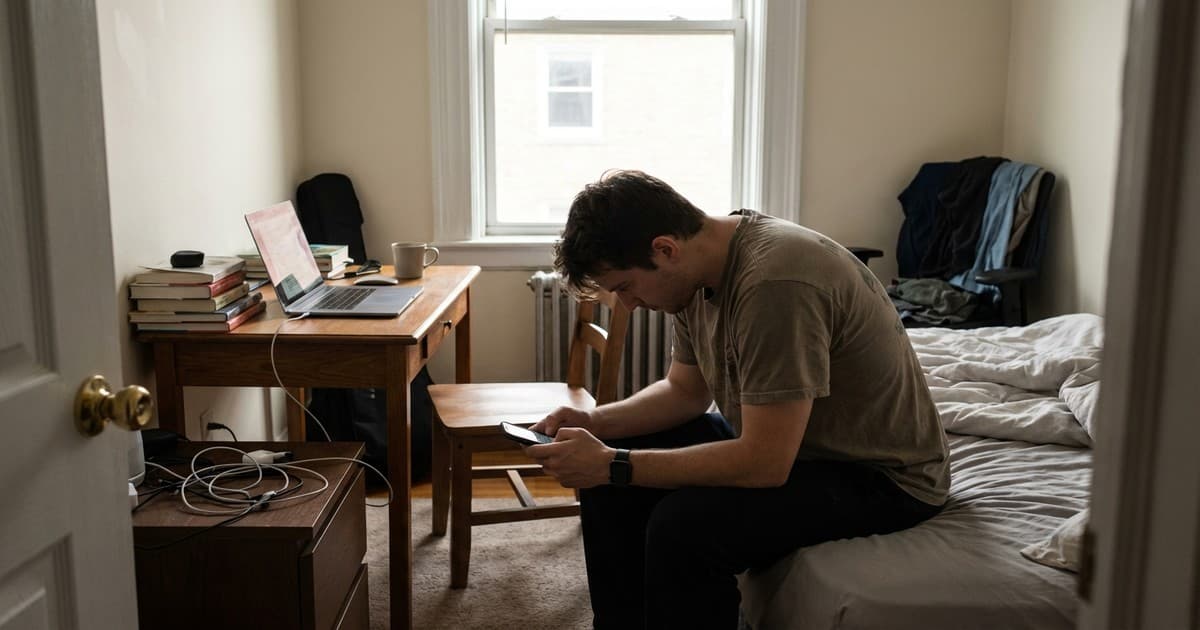
Technology is no longer just a tool for efficiency; it has become the primary architect of our daily schedules. In the current landscape of 2026, many of the tasks we perform feel essential, yet they are actually recent inventions of the digital age. From the moment we wake up to the second we sleep, our digital habits dictate our movements more than biological or practical requirements.
We have optimized our lives around the specific capabilities of our devices, often forgetting that these behaviors were once entirely unnecessary for a productive or happy existence. Modern life is now defined by a series of tech-driven rituals that have replaced natural rhythms. By examining these routines, we can see how much of our time is spent serving the software we intended to master.
1. The compulsive morning scroll
Many people now begin their day by checking notifications before even leaving bed. This ritual isn't driven by an urgent need for information but by the dopamine loops designed into our smartphones. In previous decades, the news arrived with the morning paper or a scheduled broadcast. Today, we consume a fragmented stream of updates that often increases morning anxiety without providing any tangible benefit to our immediate daily tasks.
2. Metric-driven physical movement
Walking has become a data-entry task for millions. The need to "close rings" or reach an arbitrary 10,000-step goal often dictates whether we take the stairs or go for an evening stroll. While movement is physically necessary, the specific metrics are tech-driven social constructs. We have outsourced our sense of physical well-being to sensors on our wrists, prioritizing the digital confirmation of health over how our bodies actually feel.
3. Delegating discovery to algorithms
Our choices in music, film, and literature are increasingly delegated to recommendation engines. Instead of seeking out new experiences through personal research or social recommendations, we follow the "For You" feed. This tech-driven routine limits our exposure to the unexpected. We have traded the joy of discovery for the convenience of algorithmic influence, narrowing our cultural horizons to fit the mathematical models of streaming platforms.
4. The expectation of immediate connectivity
The expectation of an immediate response to messages is a recent social pressure. Before ubiquitous connectivity, the "delay" was a natural part of human interaction. Now, the constant ping of notifications creates a false sense of urgency. We interrupt deep work or family meals to answer non-essential queries. This habit isn't a functional necessity; it is a reaction to the persistent availability made possible by high-speed networks and screen time creep.
5. Documenting the experience rather than living it
Experiences are often viewed through a lens rather than with the naked eye. From concerts to dinner parties, the urge to document everything for social media has reshaped how we live through events. This behavior focuses on the digital preservation of a moment rather than the actual experience. Technology has turned us into curators of our own lives, making the act of recording more important than the act of participating in reality.
6. Maintenance of smart home ecosystems
Managing a smart home has become a routine in itself. We spend time updating software, troubleshooting voice assistants, and setting complex lighting scenes that provide little more than aesthetic novelty. These tasks did not exist when a simple wall switch sufficed. While smart home tech offers minor conveniences, the time spent maintaining these systems often outweighs the labor they were originally designed to save or automate.
7. Quantifying the quality of rest
We now analyze our sleep with the same intensity we apply to our work performance. Using apps to track REM cycles and heart rate variability has turned rest into a measurable metric. This focus often leads to "orthosomnia," a preoccupation with achieving perfect sleep data. By focusing on the numbers provided by a mattress sensor or a ring, we often ignore the simple, natural cues our bodies give us about fatigue and recovery.
Reclaiming the human rhythm
These routines highlight how deeply technology has integrated into our biological and social fabric. While many of these habits offer superficial convenience, they are rarely essential for a functional or healthy life. Recognizing that these behaviors are tech-driven rather than necessary allows us to reclaim our time and mental energy. We must distinguish between progress and mere activity.
As we move further into the digital age, the challenge remains to use technology as a tool for actual progress without letting it dictate the rhythm of our daily existence. Breaking these unnecessary cycles requires a conscious effort to prioritize human experience over digital data. Ultimately, our routines should serve our needs, not the requirements of the platforms we use.