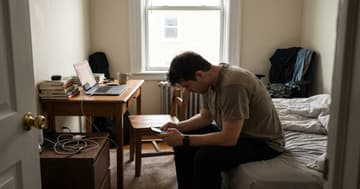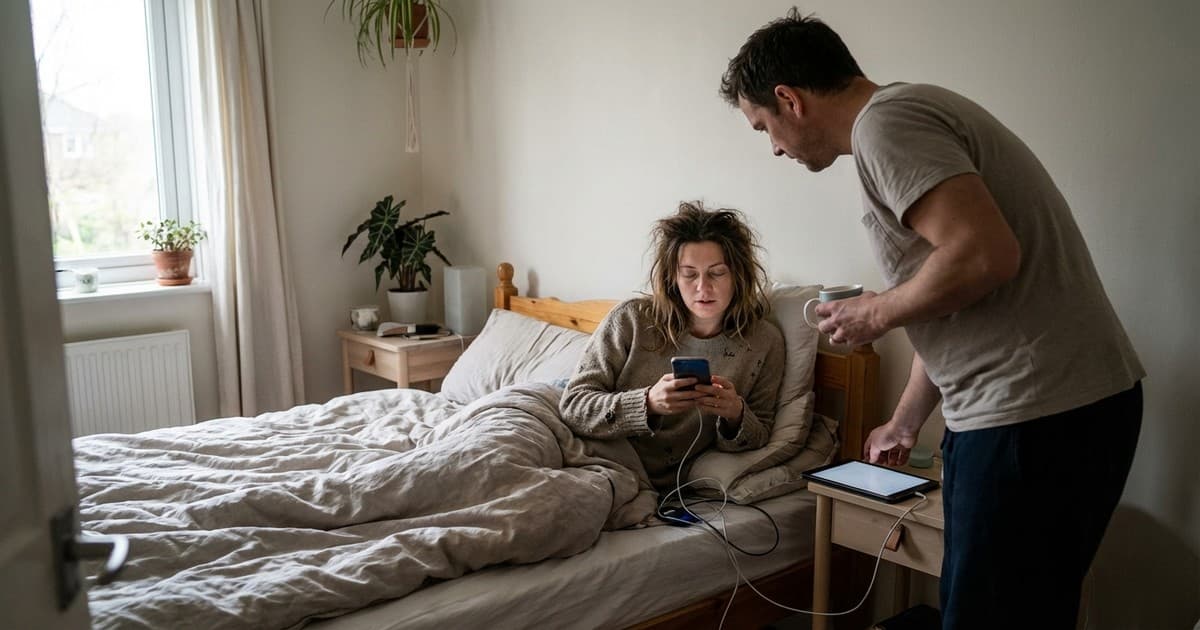
We wake up not to the sun or a biological clock, but to a haptic buzz on our wrists. Before our eyes fully adjust, we scroll through notifications that dictate our immediate priorities. This transition from natural wakefulness to digital engagement has become so seamless that we rarely question its necessity. Modern routines are shifting our focus from biological necessity to device-driven engagement, as digital rituals satisfy software demands over human needs.
These habits often come at the expense of our actual needs. By following the prompts of our devices, we ignore our internal rhythms and immediate physical environment. This shift has fundamentally altered how we perceive our daily responsibilities and personal time. It is a transformation driven by algorithmic living rather than real human requirements, leading us away from the biological cues that once anchored our behavioral patterns.
The shift from tools to directors
For decades, technology was viewed as a collection of tools designed to solve specific problems. Today, the relationship has inverted. We often find ourselves checking apps not because we have a task to complete, but because the interface is designed to trigger a response. This technological habituation marks a transition from intentional use to a form of automated living governed by prompts rather than individual requirements.
The illusion of productivity
Much of our interaction with smart home automation is marketed as a way to streamline our existence. However, many of these supposed necessities are actually artificial complexities. We spend significant time configuring settings, updating software, and responding to pings that offer little real-world value. Instead of saving time, these technologies create a new layer of digital maintenance that consumes the very hours they were supposed to liberate.
Losing the internal compass
When we rely on algorithms to tell us when to stand, what to eat, or which route to take, we lose touch with our own physical signals. This reliance on data-driven feedback loops creates a dependency that erodes personal intuition. We are becoming spectators in our own routines, following a script written by developers who prioritize engagement over the genuine well-being of the user. Our daily lives are increasingly steered by code, not intent.
Reclaiming agency in a connected world requires a conscious effort to distinguish between genuine utility and tech-driven habit. While software can offer valuable insights, it should remain a secondary guide rather than a master. By evaluating which parts of our day are dictated by necessity and which are responses to digital cues, we can restore balance. The goal is not to abandon technology, but to ensure it serves our lives instead of defining them.