Navigating the nuances of tipping in Chile requires understanding local customs. While the practice is predictable, there are specific cultural expectations that differ from North America or Europe. Whether you are dining in a Santiago bistro or grabbing coffee, knowing how much to leave ensures a smooth trip. Generally, a 10% gratuity is the standard expectation for sit-down service across the country today for all guests.
The standard restaurant gratuity
In most Chilean restaurants, the bill will arrive with a suggested 10% tip already calculated. This is technically optional, but it is considered culturally mandatory for good service. If you are satisfied, simply agree to the "propina sugerida." Waitstaff often rely on these contributions to supplement their base wages, making it an essential part of the local hospitality economy.
Handling payments and card transactions
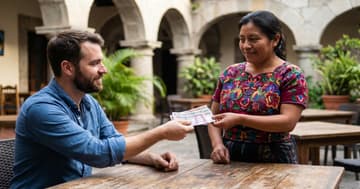
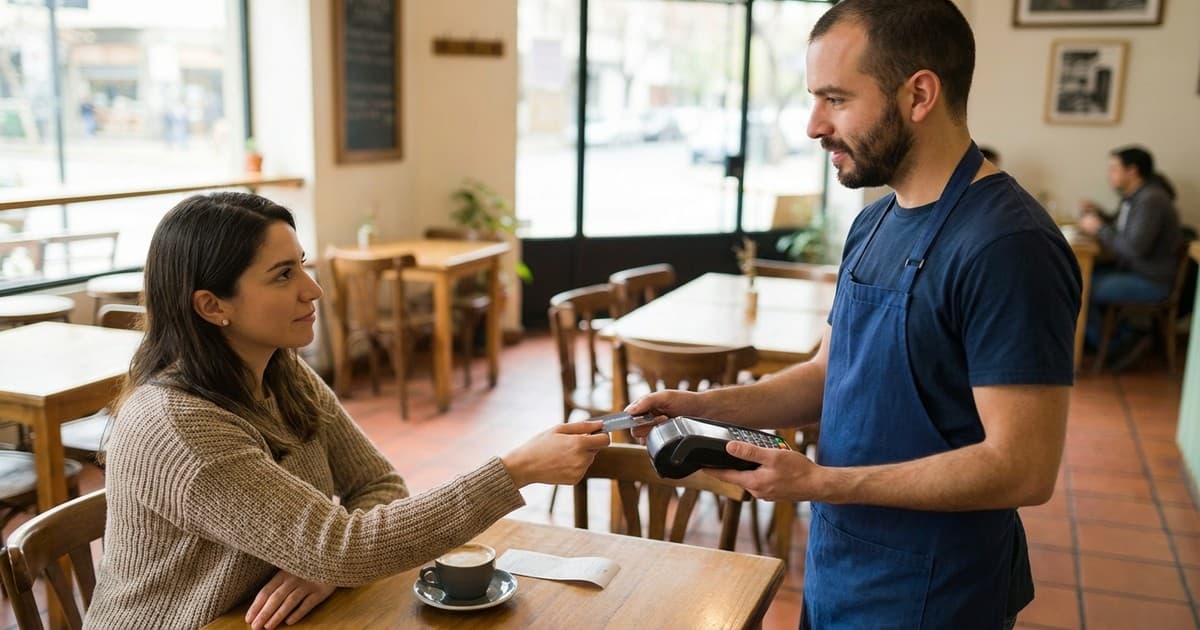
When paying by card, the server will usually ask, "¿Desea incluir la propina?" before processing the transaction. You can choose to add the 10% directly to the card payment. However, many locals still prefer to leave the tip in cash. This ensures the server receives the amount immediately and avoids potential delays or processing fees associated with bank transfers or credit card companies.
Casual dining and cafe etiquette
In casual settings like coffee shops or bars where you order at the counter, tipping is less formal. You might see a glass jar for "propina" near the register. While not required, rounding up your change or dropping a few hundred pesos is a common courtesy. For table service in bars, the 10% rule still applies. If you are only ordering drinks, a small cash gesture is always appreciated by the staff.
Tipping for transportation and hotels
Tipping taxi drivers is not a standard practice in Chile. Most passengers simply pay the metered fare. However, if a driver helps with heavy luggage, rounding up the fare is a nice gesture. In hotels, it is customary to tip porters about 1,000 to 2,000 Chilean pesos per bag. Housekeeping staff also appreciate a similar daily amount, usually left in the room at the end of your stay.
The unique role of supermarket baggers
One unique Chilean custom involves supermarket baggers, known as "empaques." These individuals are often students working solely for tips. It is standard to give them between 300 and 500 pesos, depending on the number of bags. Even if you bring your own reusable bags, if they help you pack, a small tip is expected. Skipping this can be seen as a significant breach of local social etiquette.
Understanding these cultural nuances makes traveling through Chile much easier. While the 10% suggestion covers most dining, having small change for baggers or porters is equally important. It is less about rigid rules and more about recognizing service. By following these local norms, you ensure your interactions with staff remain positive. Proper tipping is a simple way to show respect for the workforce while enjoying the country.