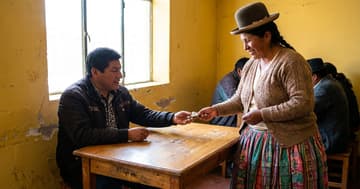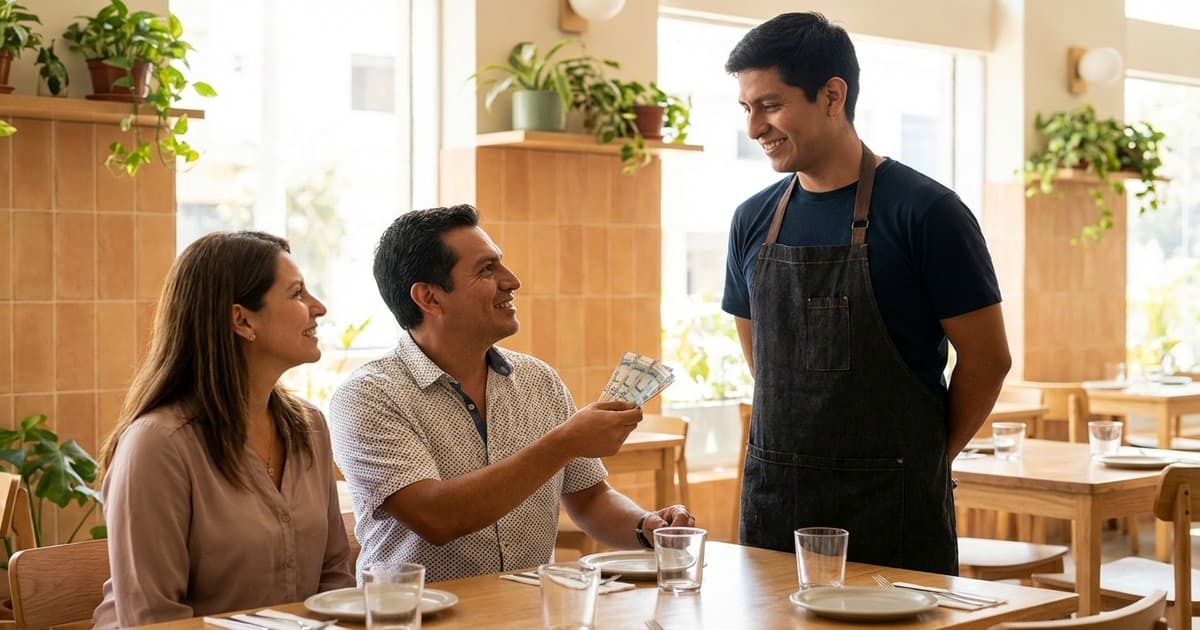
Navigating the social expectations of Peru requires more than just a basic Spanish phrasebook. While the hospitality is famously warm, the financial etiquette follows a dual track that often confuses newcomers. Tipping in Peru is not a rigid mandate but rather a shifting social contract based on location and service quality. Locals and tourists often operate under different sets of unwritten rules. Understanding these nuances helps travelers respect local customs without overpaying. This guide explores how to handle gratuities from Lima's high-end eateries to the remote trails of the Andes.
Understanding Restaurant Service Charges
In major cities like Lima and Cusco, upscale restaurants often include a ten percent service charge on the bill. This is legally allowed but not always distributed directly to the waitstaff. Tourists are generally expected to add an extra five to ten percent in cash if the service was exceptional. In contrast, locals dining at smaller neighborhood eateries rarely leave a tip. They might simply round up the bill to the nearest whole sole to avoid dealing with small coins. Many travelers find that varying global tipping rules make it difficult to budget accurately for international trips.
Transportation and the No-Tip Rule
Taxis in Peru operate without meters. You must negotiate the fare before you enter the vehicle. Because the price is agreed upon in advance, tipping is not expected or common. This applies to both street hails and ride-hailing apps. If a driver helps with heavy luggage, a small gesture of one or two soles is appreciated but remains entirely optional. Most locals would never tip a driver for a standard city commute. Achieving gratuity consistency across the Americas is difficult because every nation maintains its own unique economic culture.
Hotel Services and Small Gratuities
Hotel etiquette is more standardized across the country. Porters who carry bags to your room should receive two to five soles per bag. Housekeeping staff also appreciate a small daily tip left on the nightstand. Leaving three to five soles per day is a generous gesture that goes a long way. If you stay at a luxury boutique hotel, these amounts should lean toward the higher end of the scale. Unlike restaurants, these small payments are almost always expected from international visitors but remain less common for local travelers.
Tipping Guides on Tours and Excursions
For many guides in the Sacred Valley or Machu Picchu, tips constitute a significant portion of their take-home pay. A full-day group tour usually warrants a tip of ten to twenty soles per person. Private guides should receive more, typically starting at thirty soles. This is one area where the gap between locals and tourists is most visible. Tourists are the primary source of income for the guiding industry and are expected to contribute accordingly. If the tour includes a driver, a smaller separate tip of five soles is appropriate.
Payment Realities and Cash Handling
Peru is still very much a cash-based society for small transactions. Always carry small denominations of the Peruvian Sol. Breaking a fifty or hundred-sol bill can be nearly impossible in small shops or for small tips. If you pay a restaurant bill by credit card, the tip cannot always be added to the total on the machine. It is much better to have physical coins or small bills ready for the staff. This ensures the money reaches the individual server rather than getting lost in the business accounting.
Conclusion
Tipping in Peru reflects the broader economic landscape of the country. While the rules are flexible, showing appreciation for good service is always respected. You should not feel pressured to tip in every situation, especially when prices are negotiated beforehand. By following these local norms, you can navigate your journey with confidence and cultural sensitivity. Remember that a small amount of currency can make a meaningful difference for service workers. Use your best judgment and enjoy the incredible hospitality that Peru offers to every visitor.