Ukraine’s service sector has evolved. While the country once used cash, digital growth changed how visitors pay. This shift reflects a move toward global standards. Understanding tipping in Ukraine requires looking at tradition and tech. For more context, travelers can consult the global tipping rules confusing visitors to see how cultures handle gratuities. This guide helps visitors navigate local norms with confidence and ease.
Restaurant standards and service expectations
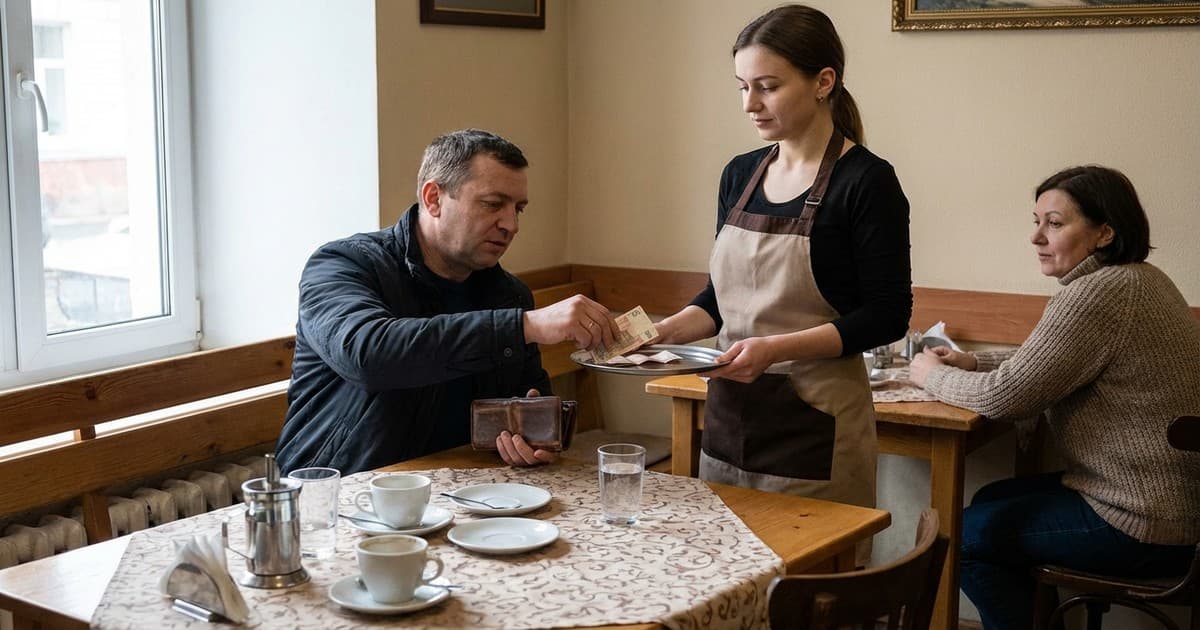
In the restaurant sector, the standard practice for good service is leaving between 10 and 15 percent of the bill. Unlike parts of Western Europe, Ukrainian menus rarely feature a mandatory service charge. This makes the tip a direct reflection of diner satisfaction. While the tipping in Europe tourist mistakes guide highlights common pitfalls, in Ukraine the most frequent error is assuming tips can be added to a credit card terminal.
The rise of digital tipping solutions
Many modern Ukrainian cafes and restaurants now use QR codes on receipts for digital tips. This technology allows guests to scan a code and send money directly to the server bank account via a smartphone. It solves the problem of not carrying physical currency in a society that is increasingly cashless. If you find a QR code on your bill, it is often the most efficient way to ensure your server receives their intended recognition.
Incidental tipping and local transport
Beyond the dining table, expectations are more relaxed. For taxi rides booked through apps, rounding up the fare is common but not strictly required. In high-end hotels, a small cash gratuity for porters or housekeeping is appreciated. These gestures are seen as a sign of respect for the effort provided rather than a mandatory tax on the transaction. Keeping small denominations of local currency is helpful for these incidental interactions.
Summary of social norms
Navigating the service landscape in Ukraine is about recognizing individual effort. While there are no legal requirements, social expectations remain strong in cities like Kyiv. By following the 10 percent benchmark and using digital tools, visitors can navigate the local culture with ease. This approach ensures a respectful exchange that aligns with modern hospitality. It bridges the gap between traditional gratitude and the efficiency of a modern economy.