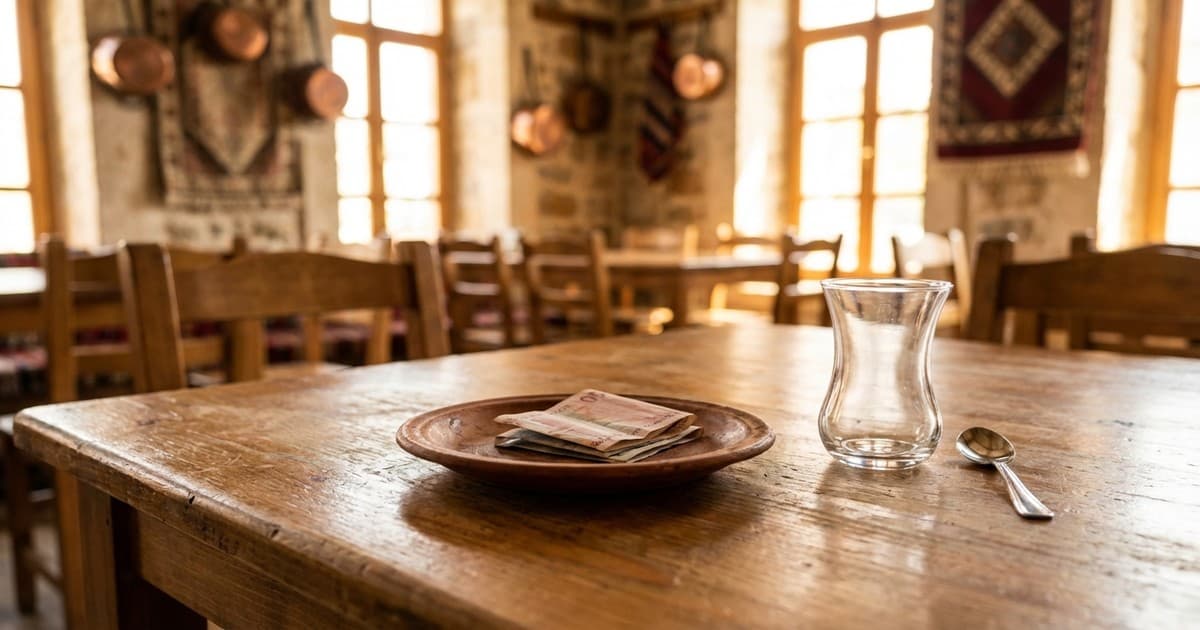
Turkey’s hospitality is legendary, but the rules for rewarding it have grown more complex in recent years. As the economy shifts and digital payments become the norm, travelers often find themselves unsure of the proper bahşiş etiquette. While once a simple gesture of gratitude, tipping in Turkey has evolved into a more structured expectation in urban centers like Istanbul and Antalya. Understanding these subtle cultural shifts is essential.
Restaurant and cafe etiquette
In most Turkish sit-down restaurants, a tip of 10% to 15% of the total bill is the standard expectation for good service. While some upscale spots now include a service charge on the receipt, this does not always reach the waitstaff directly. It is still customary to leave cash on the table to ensure the server receives the benefit. In casual lokantas, rounding up the bill or leaving a few coins is perfectly acceptable.
Transportation and taxi customs
When it comes to transportation, the rules are slightly different. Taxi drivers in Turkey do not expect a formal percentage-based tip. Instead, the common practice is to round up the fare to a convenient figure. If a ride costs 185 lira, giving the driver 200 lira and telling them to keep the change is a standard gesture. For private transfers or long-distance drivers, a tip of 100 to 200 lira is generally appreciated.
Hotel services and porters
Hotel staff rely significantly on tips to supplement their income. For porters who carry your luggage to the room, a tip of 20 to 50 lira per bag is appropriate. Housekeeping staff should also be remembered; leaving a small daily amount on the desk or bed is a kind gesture. In five-star resorts, these amounts may scale upward. Providing these small tokens in local currency is always preferred over foreign coins.
The traditional hamam experience
The Turkish bath, or hamam, follows a more traditional tipping structure. Here, service is highly personal and labor-intensive. It is customary to tip around 15% to 25% of the total service price, which is often split among the attendants who assisted you. Usually, a tip box is located near the exit, or you can hand the money directly to your teller. This acknowledges the physical effort involved in the traditional process.
Practical tips for digital payments
While credit cards are accepted almost everywhere in modern Turkey, tipping via card is still not universally possible. Many card machines do not have a built-in tip function, and even when they do, the funds may not reach the staff. Carrying small denominations of Turkish Lira is the most effective way to handle tips. The physical exchange of bahşiş remains a vital part of the social fabric and service economy.
Mastering the art of tipping in Turkey is less about rigid percentages and more about recognizing genuine effort. While the 10% rule serves as a reliable baseline, the warmth of Turkish hospitality often inspires more. By keeping small notes on hand and understanding when to round up, you ensure your gratitude is culturally appropriate. A respectful approach to these customs enhances the experience for both the visitor and the host.