Spain’s hospitality culture is rooted in social connection and professional service rather than a reliance on gratuities. Unlike systems where tips supplement low wages, Spanish servers receive a living salary and benefits. This economic structure changes the dynamic of tipping in Spain for visitors. It shifts the emphasis from a required tax on dining to a voluntary act of gratitude.
Navigating these social cues is easier when comparing them to global tipping rules that often confuse visitors across different continents. While the practice exists, it remains discretionary and reflects genuine satisfaction with the experience. It is important to understand that in local culture, the act of tipping is never intended to be a flashy display of wealth but a quiet sign of respect.
The etiquette of bars and cafes
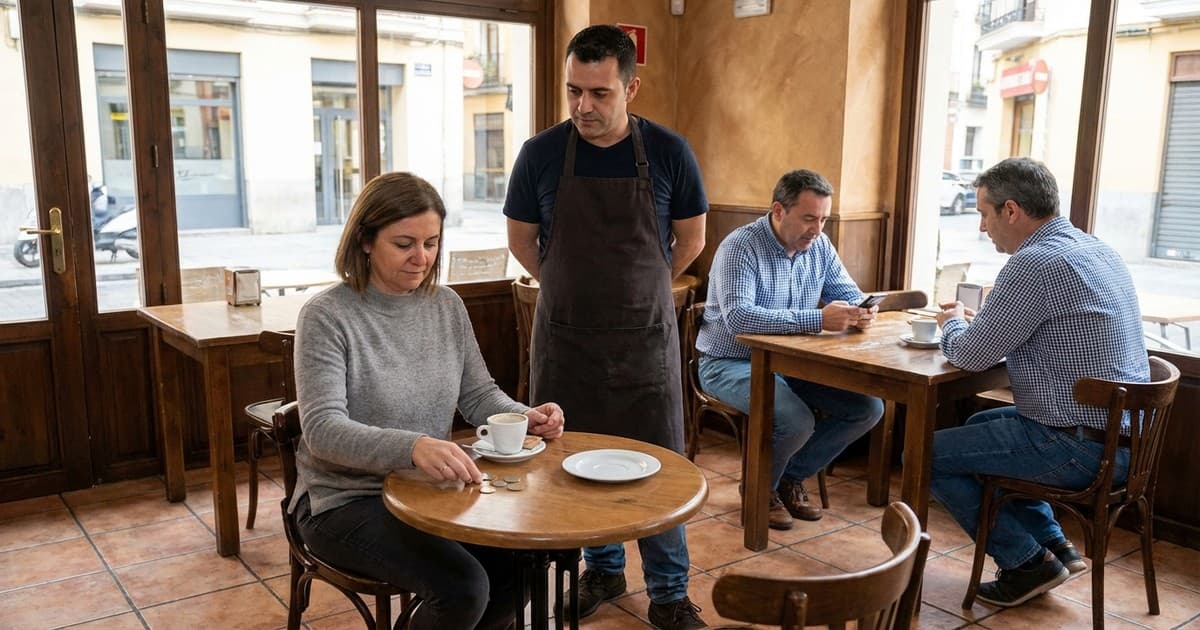
In a typical Spanish bar or cafe, leaving a few coins is the standard way to show appreciation. If you order a coffee or a glass of wine, rounding up to the nearest euro is common. For many locals, leaving the small change from a transaction is considered a polite but sufficient gesture that acknowledges the hard work of the server without being excessive.
This relaxed approach differs significantly from northern neighbors. Avoiding common tipping mistakes in Europe helps travelers blend in with the local rhythm. In Spain, a tip is never forced or added automatically to the bill as a service charge, which gives the consumer full control over their final payment and reflects the independence of the service industry.
Formal dining and service expectations
At sit-down restaurants, the etiquette evolves slightly. For a standard lunch or dinner, a tip of five to ten percent is seen as generous and polite. If the service was merely adequate, leaving nothing is perfectly acceptable and will not cause offense. Waitstaff do not expect a high percentage of the total bill as a standard part of their daily earnings or survival.
For taxi drivers, rounding up the fare to the next whole euro is the most frequent practice for short trips. In hotels, a euro per bag for the porter or a small amount for housekeeping is appreciated but certainly not mandatory. These gestures remain small and focused on the quality of the interaction rather than any set fee or percentage requirement established by the venue.
As Spain moves toward a cashless society, tipping with a card has become more common in major cities. However, many card machines do not have a built-in tip function at the point of sale. If you wish to leave a gratuity, it is often better to carry a few small coins for this specific purpose to ensure the staff receives the reward directly without administrative delays.
Understanding the nuance of Spanish hospitality ensures a more authentic experience for every traveler. Tipping in this Mediterranean context should be viewed as a personal choice rather than a rigid social requirement. By keeping your gestures modest and focused on the actual quality of service, you can respect local customs perfectly. This approach allows visitors to enjoy the vibrant Spanish lifestyle without any unnecessary stress.