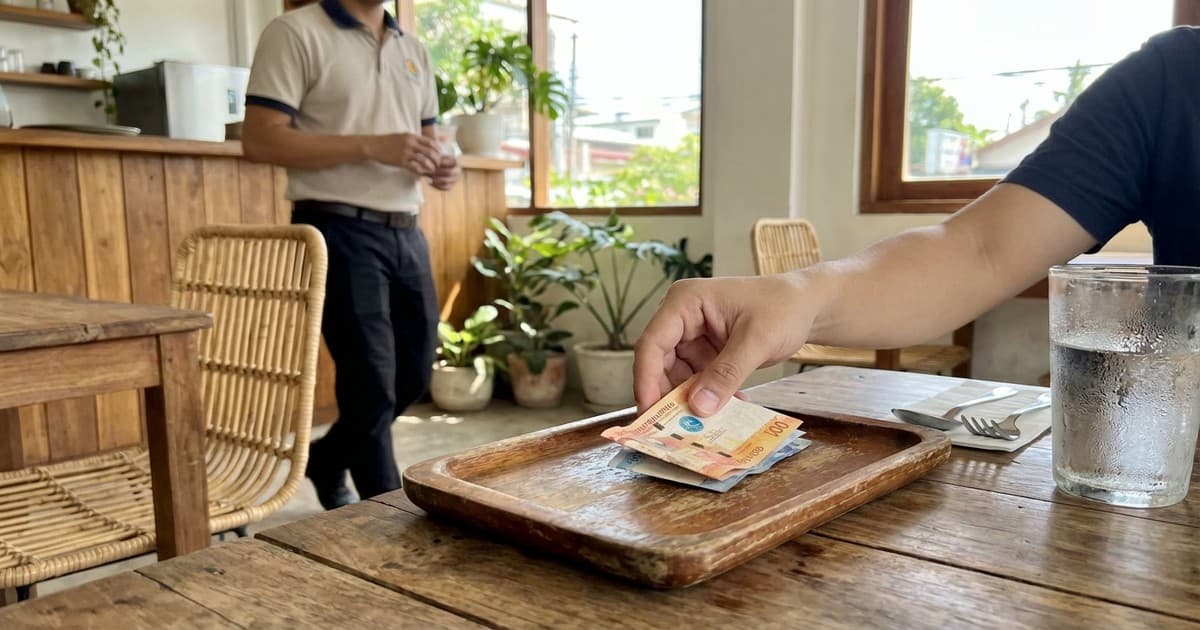
In the Philippines, giving a tip is more than a financial transaction; it is a gesture of appreciation that bridges the gap between formal service and the country’s famous hospitality. While the practice is not strictly mandatory but highly appreciated, it has become deeply woven into the local social fabric. Navigating tipping in Philippines requires knowing where a service charge is already included and where a small cash gift makes a difference.
Most travelers find that a flexible approach works best when visiting the islands. Unlike the rigid percentages found in Western countries, the local culture values the intent behind the gesture. Whether you are dining in a high-end district or taking a motorized tricycle in a provincial town, knowing the subtle tipping etiquette ensures smoother interactions and shows respect for the local workforce that often relies on these small extras.
Navigating the service charge at restaurants
Many mid-to-high-range restaurants in major cities like Manila and Cebu automatically include a 10% service charge on the final bill. When this fee is present, additional tipping is entirely optional and generally reserved for exceptional service. If you notice a service charge Manila establishments have already applied, leaving the small coins from your change is a common way to acknowledge the waitstaff without overspending.
For smaller, casual eateries or local diners known as carinderias, tipping is much less common but still welcomed. In these settings, leaving small change or rounding up to the nearest hundred pesos is a kind practice among locals. It is always wise to check the bottom of your receipt for the "SC" notation, as this indicates the service charge has already been factored into your total payment before you reach for your wallet.
Transportation and taxi etiquette
When it comes to transportation, the rules for tipping remain informal and relaxed. For standard metered taxis, most passengers simply round up the fare to the nearest 20 or 50 pesos. If a driver is particularly helpful with heavy luggage or navigates through difficult traffic with ease, adding a small extra amount is a generous gesture. It helps to carry smaller denominations to avoid issues with drivers claiming they have no change.
Ride-hailing apps have changed the landscape significantly in recent years. These platforms often provide a built-in tipping feature after the ride is completed. While not required, adding a small gratuity through the app is a convenient way to reward good service without the need for physical cash. For longer private van rentals or full-day drivers, a tip of 200 to 500 pesos is generally expected for a job well done throughout the day.
Hotel staff and personal services
Hotel environments follow more international standards regarding gratuities. Bellhops who assist with luggage typically receive 20 to 50 pesos per bag. For housekeeping, leaving a small amount on the desk at the end of your stay is a thoughtful way to acknowledge their hard work. In luxury resorts, these amounts might be slightly higher, reflecting the higher level of personalized service provided to guests during their visit.
Spas and salons are another area where tipping is common. If you receive a massage or a haircut, a tip of 50 to 100 pesos is customary, depending on the length and quality of the service. This is usually handed directly to the therapist or stylist or placed in a designated tip box at the reception desk. Direct hand-to-hand tipping is often preferred to ensure the specific worker receives the benefit of your generosity.
Guided tours and outdoor activities
Tourism is a major industry, and guides often rely on tips to supplement their income. For a group tour, a couple of hundred pesos from the group is sufficient. However, for a private, full-day guide, a tip ranging from 300 to 500 pesos is appropriate if the experience was informative and safe. Boatmen and local porters on hiking trails also appreciate small gestures of 50 to 100 pesos for their physical labor and assistance.
Ultimately, mastering this gratuity guide Philippines visitors use is about balance and observation. While a service charge covers the basics in many urban establishments, the human element of a small cash tip goes a long way. By staying mindful of the receipt and the quality of the interaction, visitors can navigate the local economy with confidence and contribute positively to the communities they visit throughout the archipelago.