Panama presents a unique landscape for visitors navigating gratuity because it sits at a global crossroads. While the country uses the US dollar as its primary currency, the local culture balances North American influence with traditional Latin American customs. Visitors often find that tipping in Panama varies significantly depending on whether they are in the heart of the capital or a remote village. Understanding these shifts is essential for travelers who want to navigate social situations with grace.
Restaurant culture and the service charge
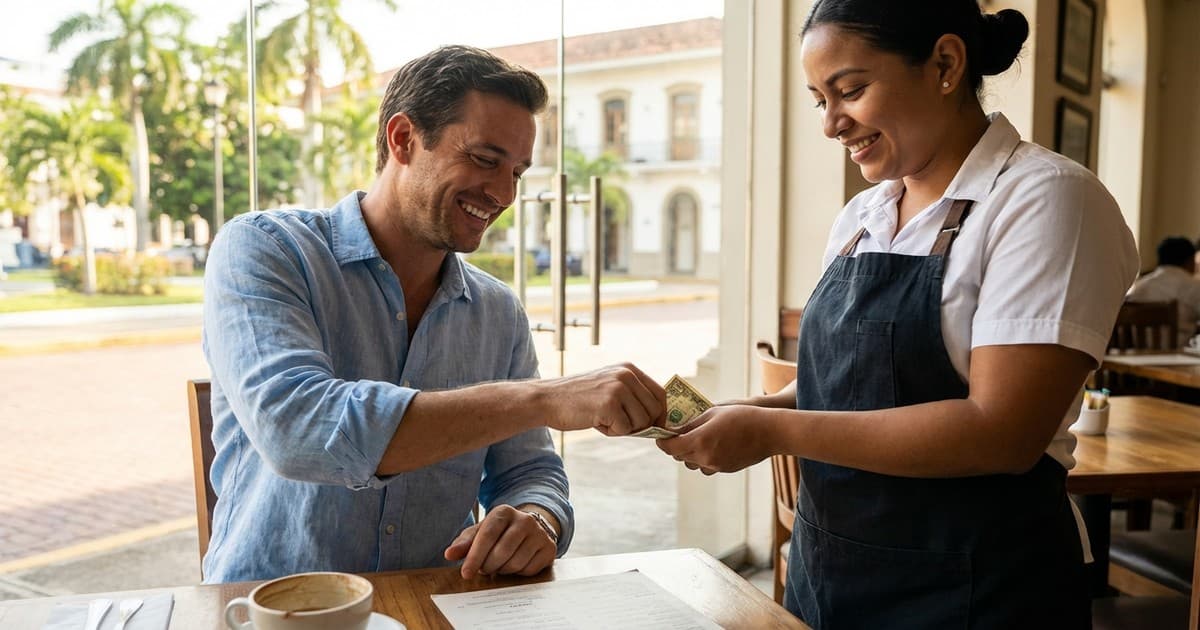
In Panama City and high-end resort areas, most restaurants include a 10 percent service charge on the final bill. This amount is often listed as propina voluntaria but it is treated as a standard addition in tourist hubs. If the charge is absent, leaving a 10 percent tip is the professional standard for good service. You should always check the bottom of your receipt to ensure you are not accidentally tipping twice for the same meal.
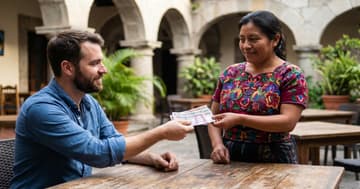
Many travelers find global tipping rules confusing when crossing borders. In rural Panama or at small local eateries known as fondas, the atmosphere is casual. Locals rarely tip at these establishments. If you leave a small amount of change, it is appreciated but not expected. This contrast is the most common point of confusion for newcomers to the country.
Hotel and resort etiquette
At upscale hotels and coastal resorts, tipping follows a more Americanized pattern. Bell staff generally expect one or two dollars per bag for their assistance. Housekeeping staff should be tipped between two and five dollars per day depending on the level of service. It is best to leave this cash on the desk or nightstand in an envelope to ensure the right person receives it. Resort staff often rely on these small gestures to supplement their income.
Navigating transportation and taxis
Transportation in Panama follows its own set of rules regarding gratuity. Traditional taxi drivers do not expect tips and you should agree on the fare before entering. If a driver handles heavy luggage, a small extra amount is kind. Panama shares some similarities with its neighbors, yet tipping in the Americas varies widely based on local labor laws and service expectations.
Professional guides and specialized services
Ride-hailing apps like Uber have changed the landscape in Panama City. You can tip through the app after your journey ends if the service was exceptional. For guided tours, the rules shift again. A half-day tour typically warrants a tip of five to ten dollars per person. Full-day excursions or private guides should be compensated with ten to twenty dollars. This reflects the professional expertise and personalized attention provided during the experience.
Practical tips for cash and currency
Small services also require attention to detail. Grocery baggers in Panama are often seniors or students who work specifically for tips. Giving them twenty-five to fifty cents is the standard practice. When paying for services, try to carry small bills such as singles and fives. While credit cards are widely accepted in urban centers and resorts, cash remains the primary way to handle tips in most situations across the country.
Mastering the etiquette of tipping in Panama requires a mix of observation and preparation. While the 10 percent rule covers most restaurant situations in the city, the rural areas remain refreshingly informal. Always prioritize carrying small denominations of US dollars to handle everyday interactions. By following these local norms, you can enjoy the diverse beauty of the country while showing proper appreciation for those who make your travel experience seamless.