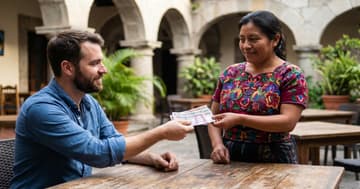
Macedonian hospitality is famously warm, yet the financial aspect of service requires a bit of local knowledge to navigate correctly. While not legally mandated, tipping in North Macedonia is a deeply ingrained social custom that rewards quality service. Understanding these nuances ensures you navigate cafes in Skopje or lakeside bistros in Ohrid with confidence. It remains a vital gesture of appreciation for the hard-working staff who often rely on these extras to supplement their monthly income in a growing economy.
Dining out in restaurants and kafanas
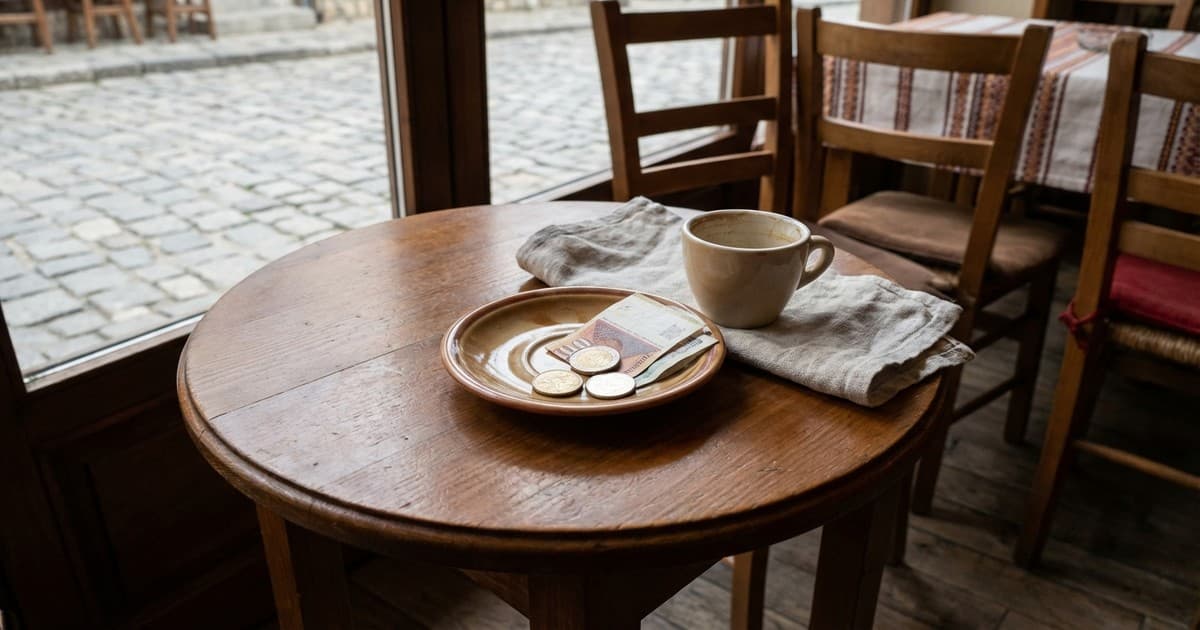
The standard practice in the country’s dining scene is to leave approximately 10 percent of the total bill in cash. While credit cards are increasingly accepted in urban centers, the ability to add a tip to a card transaction is still rare. Most locals prefer leaving physical coins or bills on the table to ensure the gratuity reaches the server directly. It is considered more personal and reliable than digital alternatives in most traditional dining establishments.
In casual settings like traditional kafanas or small coffee shops, the approach is even simpler. It is common to round up the bill to the nearest logical amount. If your espresso costs 85 denars, leaving 100 denars is a polite and expected move. This small difference might seem negligible to a traveler, but it serves as a meaningful acknowledgement of the waiter's effort in a fast-paced environment where precision and speed are highly valued by the patrons.
Bars, nightlife, and social clubs
When it comes to the nightlife in cities like Skopje, the rules shift slightly. In busy bars or clubs where you pay per drink, tipping isn't strictly required for every round. However, leaving the small change or a 50-denar note after a few drinks will certainly be noticed and appreciated. Bartenders work long hours, and showing some generosity often results in better service throughout the remainder of your social evening in the capital's vibrant Debar Maalo district.
Taxis and local transportation
Transportation follows its own logic in the Balkan region. Most taxi drivers in North Macedonia do not expect a formal percentage-based tip. Instead, passengers usually round up the fare to the nearest 10 or 20 denars. If a ride costs 185 denars, paying 200 denars and telling the driver to keep the change is the standard protocol. It saves time and avoids the awkwardness of hunting for small coins during a busy commute through the city streets.
Hotel service and specialized tours
Hotel staff also fall within the tipping circle, though expectations remain modest compared to Western Europe. For porters who assist with heavy luggage, a tip of 50 to 100 denars per bag is appropriate. Housekeeping staff are often overlooked, but leaving a small daily amount on the nightstand is a kind gesture. These small contributions are significant for staff members maintaining the high standards of local hospitality in the country's many boutique hotels.
Tourism professionals, such as private tour guides, operate on a different scale. If you have spent an entire day exploring the ancient ruins of Heraclea Lyncestis or the churches of Ohrid, a more substantial tip is expected. For a full-day private tour, a gratuity of 500 to 1,000 denars is common if the experience was exceptional. For group tours, a smaller contribution from each participant is generally the accepted norm at the end of the trip.
Conclusion
Ultimately, tipping in North Macedonia is about respect rather than a cold transaction. The locals take immense pride in their service industry, and a tip is viewed as a validation of their professional skill. While you will not be chased down the street for failing to tip, following these local customs helps you blend in and directly supports the local workforce. It reflects an understanding of the region's values and ensures a much warmer welcome on your next visit to the Balkans.