In most global travel destinations, the bill is rarely the final price. However, tipping in New Zealand remains a distinct outlier in the international hospitality landscape. Unlike the rigid percentage-based systems found in North America or parts of Europe, New Zealand operates on an "all-in" pricing model. This means the price you see on a menu or a service list is exactly what you are expected to pay.
Understanding this cultural nuance is essential for any visitor wanting to navigate the local scene without causing unintentional awkwardness or overspending. Tipping is not expected or required in New Zealand. While it is never considered offensive to leave a gratuity, the local economy is structured so that workers are paid a fair wage without needing to rely on the generosity of customers.
A culture built on fair wages
New Zealand’s lack of a tipping culture is rooted in robust labor laws and the concept of a "fair day's pay." Hospitality workers earn a regulated minimum wage and do not rely on gratuities for a living. While workers appreciate extra gestures for exceptional service, they do not view it as a necessary supplement. This creates a transparent transaction where the service is always included in the base price of the meal or experience.
Etiquette at restaurants and cafes
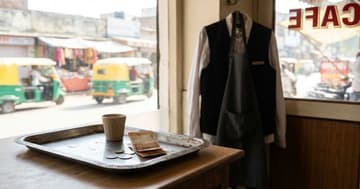
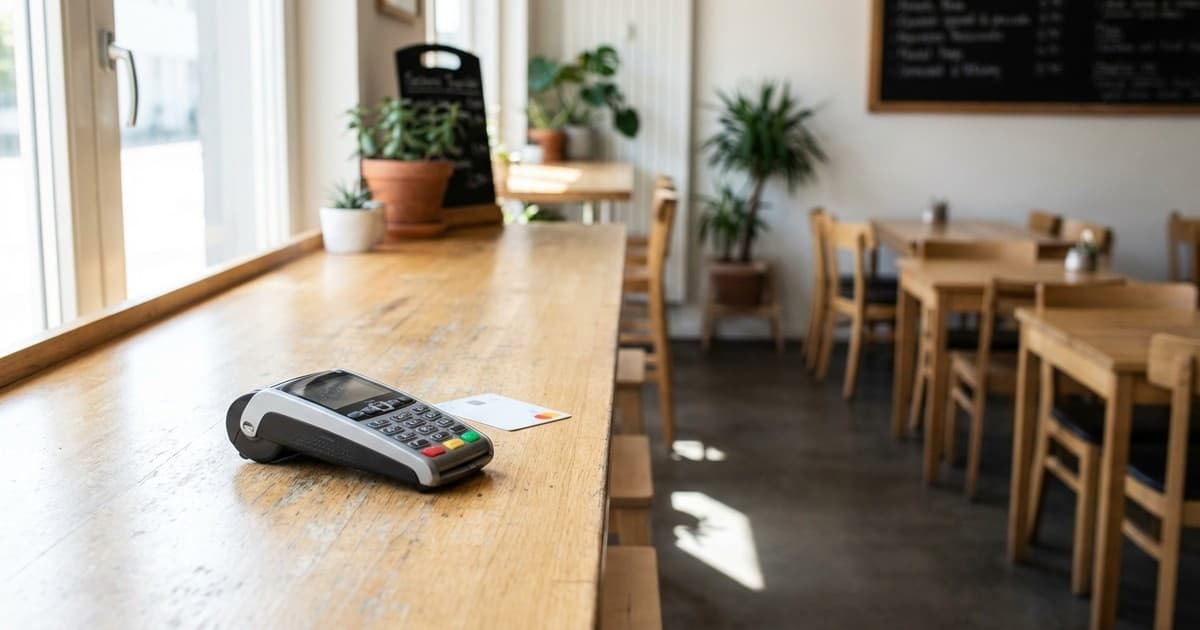
In local eateries, you will often notice a jar by the register or a prompt on the card machine. These are entirely optional. If you had a memorable meal or felt the service went above and beyond, a small contribution is welcomed but never demanded. Most Kiwis might leave small change or round up a bill to the nearest five or ten dollars. There is no social stigma attached to paying the exact amount shown on the receipt.
Taxis and specialized services
When using transport services like taxis or ride-shares, the same logic applies. Drivers do not expect a tip, and many will return change if you overpay. Similarly, tour guides for adventure activities may receive small tokens of appreciation, but it is not a requirement. In the luxury sector, international expectations have crept in, and staff in high-end lodges are more accustomed to receiving gratuities from overseas guests.
Understanding mandatory holiday surcharges
While tipping is rare, visitors should be aware of specific surcharges that are common in New Zealand. On public holidays, many cafes and restaurants apply a surcharge, typically around 15 percent, to cover the higher staff costs required by law. These are clearly marked on menus and signage. These fees are not tips; they are mandatory operational costs designed to ensure staff are paid time-and-a-half for working on specific days.
Ultimately, the approach to tipping in New Zealand is one of simplicity and fairness. You are paying for the quality of the product and the service as a single, transparent package. While a "thank you" or a positive online review is often valued more than a few coins, the choice to leave a gratuity remains entirely personal. By following the local lead, you can enjoy New Zealand’s hospitality without the stress of calculating percentages.