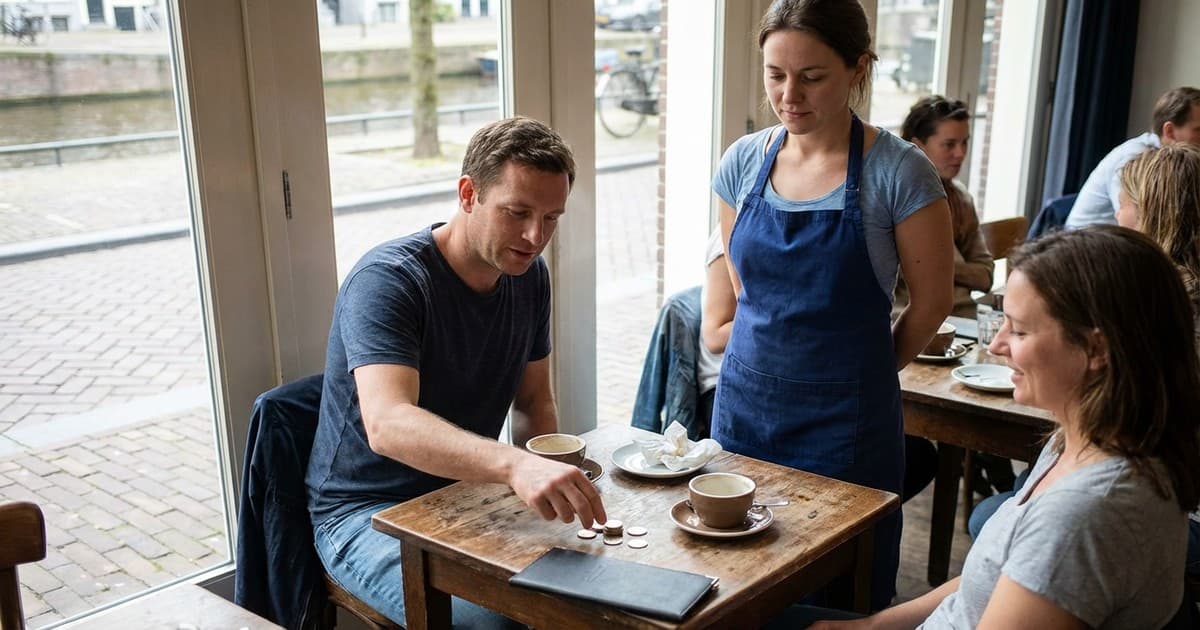
In the Netherlands, social interactions are governed by a distinct sense of pragmatism and directness. Unlike the high-pressure gratuity culture found in North America, tipping in Netherlands is seen as a voluntary gesture rather than a mandatory supplement to low wages. This distinction is vital for visitors to understand because Dutch service staff earn a regulated living wage. Consequently, the local mindset prioritizes efficiency and equality over the performative service often associated with tip-dependent economies.
Travelers often find that navigating global tipping rules requires a shift in perspective depending on local labor laws. In the Dutch context, the price you see on the menu is truly the price you are expected to pay. This transparency reflects a broader cultural value where financial transactions are straightforward and devoid of hidden expectations. You are not expected to subsidize the employer's payroll through your tip.
The legislative roots of Dutch service
Historically, the Dutch government introduced specific legislation in the 1970s. This legally mandated that the service charge in Amsterdam and throughout the country must be included in the listed price. Because of this, the staff does not rely on your generosity to meet their basic needs. Understanding this baseline helps prevent the common tourist mistake of over-tipping out of guilt or confusion regarding the final bill amount.
While some neighbors have more rigid traditions, tipping in Europe varies significantly from one border to the next. In the Netherlands, the practice has evolved into a simple rounding up system. If a bill comes to twenty-eight euros, leaving thirty is considered a polite and sufficient way to show appreciation for a pleasant evening. It is a gesture of satisfaction rather than a strict percentage-based obligation.
Practical expectations in restaurants and cafes
When dining at a full-service restaurant, understanding tipping etiquette in Holland involves noticing that a small tip is appropriate only if the experience exceeded expectations. It is rarely done via the credit card machine in a prompt-style format. Instead, diners often inform the server of the total amount they wish to pay before the card is swiped or they leave a few coins on the table after the transaction.
In more casual settings like a brown cafe or a taxi, Dutch hospitality norms are even less formal. Most locals simply leave the small change from a cash transaction or round up to the nearest euro for a coffee. For taxi drivers, a couple of extra euros for a long journey or help with heavy luggage is a kind gesture. However, it is never something a driver would demand or expect as a right.
Ultimately, the Dutch approach to gratuity is one of moderation. You will never be chased down the street for failing to leave a tip, nor will you be treated poorly if you pay exactly what is on the bill. By keeping your contributions modest and meaningful, you align yourself with the local rhythm of life. It is about acknowledging good work without upending the country's egalitarian social fabric through excessive displays of wealth.