Tipping in Montenegro is an evolving custom that balances traditional hospitality with the expectations of a modern tourism hub. Gratuities are now standard practice in restaurants and hotels across the country. Understanding these nuances helps travelers navigate social interactions from coastal resorts to mountain retreats. It has become a vital part of the local service economy and a sign of respect for workers.
Generally, a tip of 10 percent of the total bill is the gold standard for good service today. While locals once just rounded up the change, rising tourism has shifted these social expectations. This practice ensures that service staff are fairly compensated for their professional efforts. It remains a gesture of appreciation rather than a strict legal obligation for the diner visiting the region.
Navigating restaurant and cafe culture
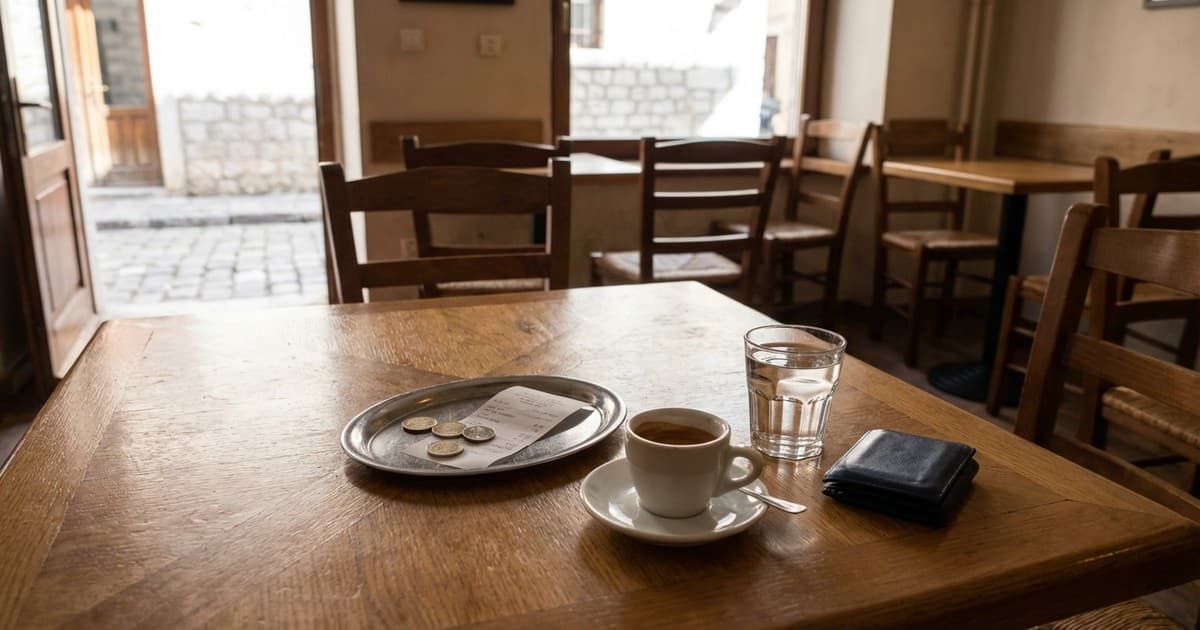
In the bustling cafes of Kotor or the fine dining spots in Tivat, the approach to gratuities is straightforward but specific. For a simple coffee or a quick drink, most patrons simply round up the bill to the nearest Euro. However, when sitting down for a full meal, a more formal tip is expected. Servers often rely on these contributions to supplement their base wages during the high summer season.
It is important to note that a service charge is almost never added to the final check in Montenegro. If you see a line for 'service' on your bill, it is usually a tax or a fixed cover charge rather than a gratuity for the staff. Consequently, the 10 percent rule remains the primary way to reward good service. For exceptional experiences, some diners choose to leave 15 percent, though this is less common.
Transport and accommodation etiquette
When using taxis in cities like Podgorica or along the coast, tipping is appreciated but not mandatory. Most passengers find it easiest to round up the fare. If the meter reads 4.40 Euros, giving the driver 5 Euros is a standard gesture. For longer transfers between towns or when the driver assists with heavy luggage, adding an extra Euro or two is a polite way to acknowledge the additional effort provided.
In the hospitality sector, small tips go a long way in ensuring personalized service. Hotel porters typically receive one Euro per bag, while housekeeping staff appreciate a similar amount left in the room daily. If you are participating in a guided tour of the Durmitor National Park or a boat trip on Lake Skadar, tipping the guide between 10 and 15 percent of the total cost is the local benchmark for professional service.
Practical tips for cash and cards
One of the most critical logistical points to remember is the preference for cash tips. Even though many establishments in Montenegro now accept credit cards, the banking systems rarely allow customers to add a gratuity to the electronic transaction. This means that even if you pay for your meal with a card, you should ideally have small Euro notes or coins on hand to leave on the table for your server.
Navigating tipping in Montenegro is ultimately about recognizing the human effort behind the service. While the country does not have a rigid tipping culture like the United States, the shift toward international norms is clear. By keeping small change available and adhering to the 10 percent guideline for meals, you ensure a smooth experience. These small gestures support the local economy and honor the warm hospitality.