Moldova sits at a cultural crossroads between Eastern Europe and the Balkans. Its service sector has evolved rapidly since independence. While the nation is famous for its wine, the financial aspect of gratitude is often misunderstood. Navigating tipping in Moldova requires a balance of local custom and modern influence. Unlike some Western nations where gratuity is strictly calculated, Moldovan expectations are flexible yet deeply rooted in the quality of the personal connection between guest and staff.
Cultural context of Moldovan service
In Chisinau and larger towns, the economy is digital, but cash remains king for small gestures. Historically, Moldovan hospitality was based on genuine generosity rather than commercial transactions. Tipping in Europe often feels like a rigid social obligation, but in Moldova, it is still viewed as a sincere thank you. While service charges are becoming more common in high-end venues, they are not yet the universal standard across the country today.
Gratuity standards in restaurants and cafes
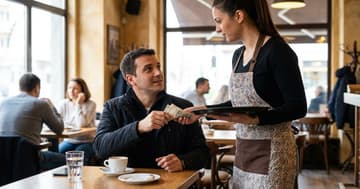
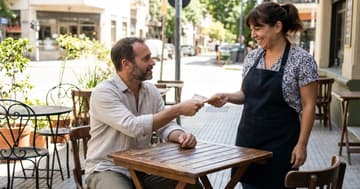
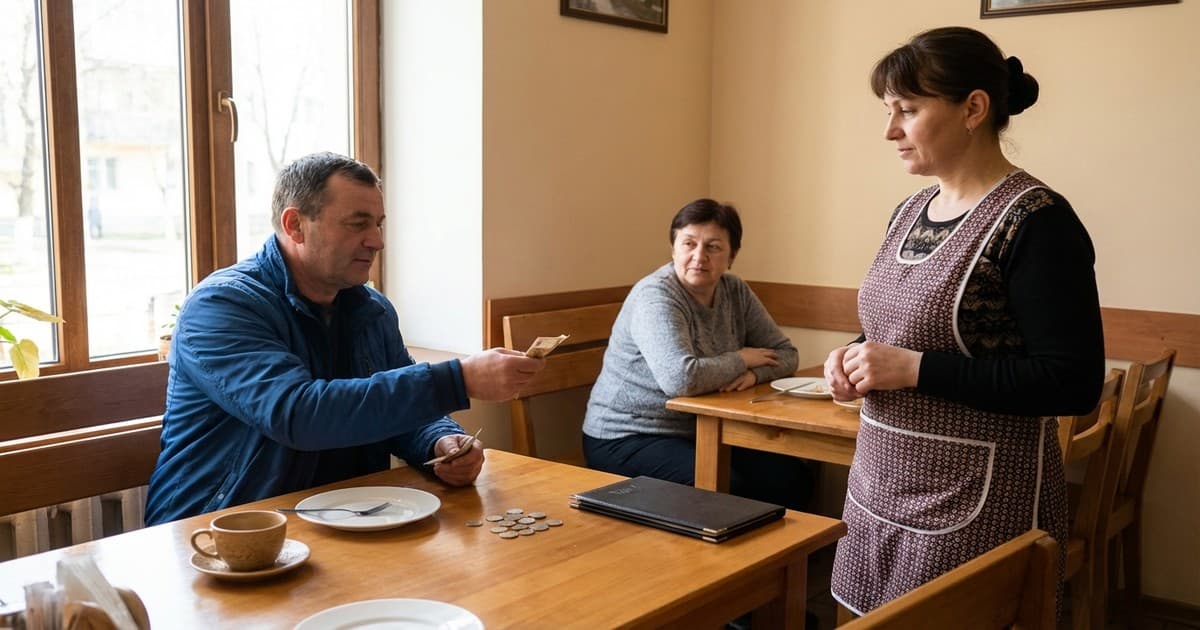
In mid-range to high-end restaurants, a tip of 10 percent is the current standard for good service. If you are dining at a casual local eatery or a neighborhood cafe, rounding up the bill to the nearest 10 or 20 Moldovan Leu is perfectly acceptable. Waiters generally earn a modest base salary, so these contributions make a significant difference. It is usually best to hand cash directly to the server rather than leaving it on the table.
Managing expectations in casual settings
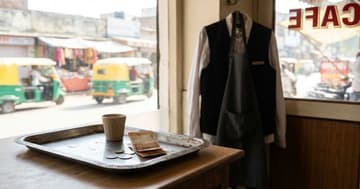
The Chisinau restaurant culture is rapidly changing with the rise of modern coffee shops. In these casual settings, tipping is less formal than in sit-down dining rooms. Most people simply leave small change or round up to a convenient number. For example, if your coffee costs 42 Leu, leaving 50 Leu is a kind gesture. In bars, tipping per drink is not required, but a small gratuity at the end of the night is always appreciated.
Transport and personal service etiquette
Transport in Moldova has been modernized by ride-sharing apps, but traditional taxi etiquette remains relevant. For street-hailed rides, it is customary to round up the fare. If the driver assists with heavy luggage or offers helpful local advice, adding an extra 20 Leu is a polite way to show appreciation. This approach also applies to hotel staff, where a service charge in Moldova is rarely added automatically to your final accommodation bill.
Understanding the nuances of gratuity in Moldova helps visitors integrate into the local social fabric. It is less about following a strict percentage and more about recognizing the effort of the individual server. Whether you are enjoying a world-class wine in a cellar or a quick meal in the capital, your approach should remain grounded in respect. By following these local norms, travelers can navigate the country with confidence while supporting the people who make the Moldovan travel experience truly memorable.