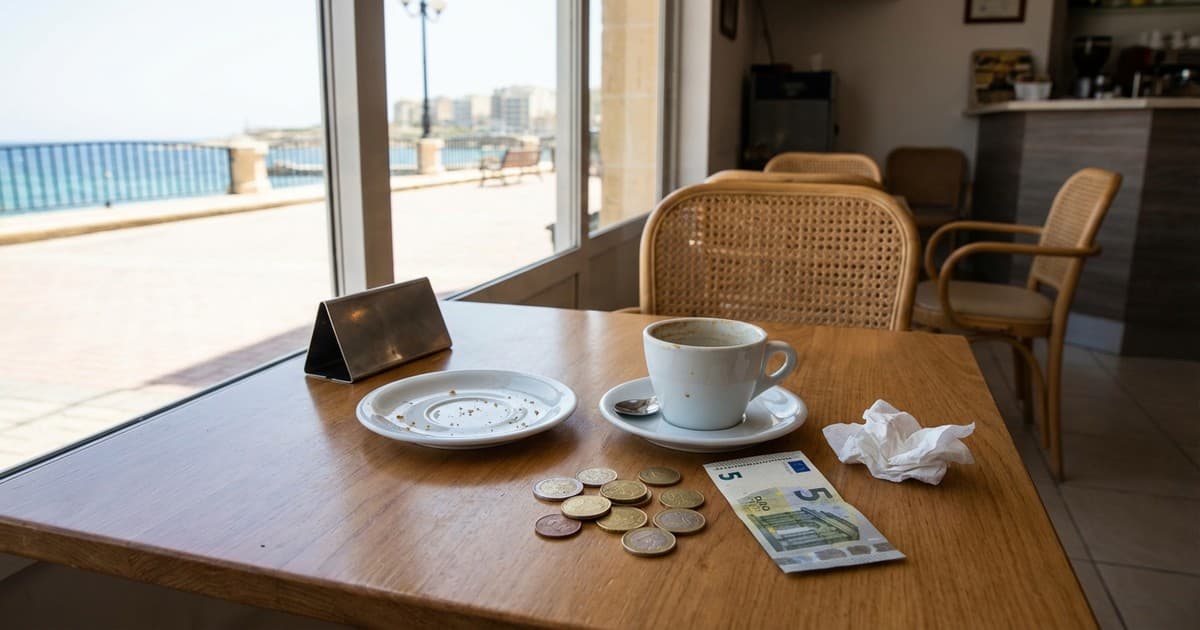
Malta occupies a unique social space where British history meets Mediterranean life. While many visitors expect rigid service standards, the local approach to gratuities is fluid. Understanding tipping in Malta requires a grasp of this duality. It is rarely a requirement but remains a gesture that signals satisfaction. In a landscape where global tipping rules are often confusing for visitors, Malta remains straightforward.
Restaurant norms and discretionary additions
In local restaurants, expectations center on a ten percent tip for high quality service. Unlike some neighbors, Maltese establishments often leave the decision to the patron. This fosters a personal connection between staff and guests. Navigating these nuances is essential because tipping in Europe often involves common tourist mistakes that are avoided with local knowledge.
Identifying service charges on the bill
Diners should look for the word servizz on the bill. If this service charge is applied, an extra tip is unnecessary unless service was exceptional. However, most casual eateries do not include this charge. In these settings, leaving a few coins or rounding up the bill is the standard way to show gratitude. It is best to leave tips in cash even if paying by card. This ensures the money reaches the staff directly.
Practical gratuities for transport and hotels
Beyond dining, tipping customs remain modest across the islands. Taxi drivers do not expect a percentage based tip, but rounding up the fare is a welcomed practice. In the bars of Valletta, leaving small change from a round of drinks is standard. For hotel staff like porters or housekeepers, a small gesture of one or two euros is sufficient. These small amounts acknowledge the hard work behind the scenes in the tourism sector.
Embracing a culture of appreciation
The Maltese approach to gratuities is one of genuine appreciation rather than obligation. The islands offer a relaxed environment where the quality of interaction dictates the reward. Visitors should not feel pressured to over tip but should recognize these contributions are vital to the local economy. By following these norms, travelers can navigate their stay with confidence. This ensures gestures are both appropriate and respected by residents.