In Malaysia, tipping is not a deep-seated cultural requirement. Unlike the rigid percentage-based systems in North America, the practice here remains largely discretionary. Most locals and long-term residents navigate a landscape where a service charge is already factored into the bill. However, as the tourism sector continues to evolve in early 2026, nuances are emerging in how visitors should handle gratuities at restaurants.
The role of the service charge
Most formal establishments in Malaysia simplify the process by including a 10% service charge directly on the bill. This standard industry practice is designed to cover staff gratuities, meaning an additional tip is not required. When you see this line item, you can rest assured that the service staff is already being compensated through the billing structure, which remains the primary way locals handle dining out.
It is helpful to distinguish this charge from the 6% Sales and Service Tax, or SST. While the SST is a mandatory government levy that does not go to the workers, the service charge is intended for the establishment's team. Travelers often confuse the two on their receipts. If both are present, the total additional cost is 16%, leaving very little social pressure to add anything further to the final payment.
Gratuity in casual and street food settings
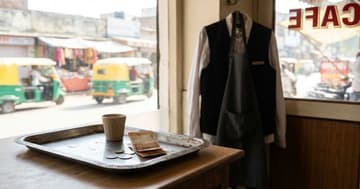
In casual settings such as street food stalls or traditional "kopitiams," the rules are even simpler. Tipping is virtually non-existent here, and staff might even be confused if you offer extra cash. If you have small coins left over from a transaction, leaving them as a small gesture of thanks is acceptable but never anticipated. This relaxed approach reflects the informal and friendly nature of Malaysia’s local food scene.
Handling transport and hotel services
For transportation, the widespread use of ride-hailing apps has largely automated the tipping process. These platforms allow users to add a small gratuity after the journey is complete, which is a great way to reward drivers for navigating heavy traffic. For those using traditional metered taxis, rounding up the fare to the nearest Ringgit is a common and practical way to show appreciation without overthinking the math.
In the hotel industry, tipping follows more international norms but remains less aggressive than in the West. Porters who assist with luggage typically receive RM5 to RM10, depending on the volume of bags. Similarly, leaving a small amount for housekeeping staff is a thoughtful touch in higher-end resorts. While these workers do not demand tips, such gestures are highly valued in the labor-intensive hospitality sector.
Maintaining cultural etiquette
Ultimately, tipping in Malaysia remains a gesture of personal kindness rather than a social obligation. While the standard service charge covers the essentials in formal settings, your personal discretion is the best guide for all other interactions. Whether dining in a metropolitan center or exploring rural areas, you will find that a lack of a tip does not diminish the quality of service. Understanding these customs ensures a respectful journey.