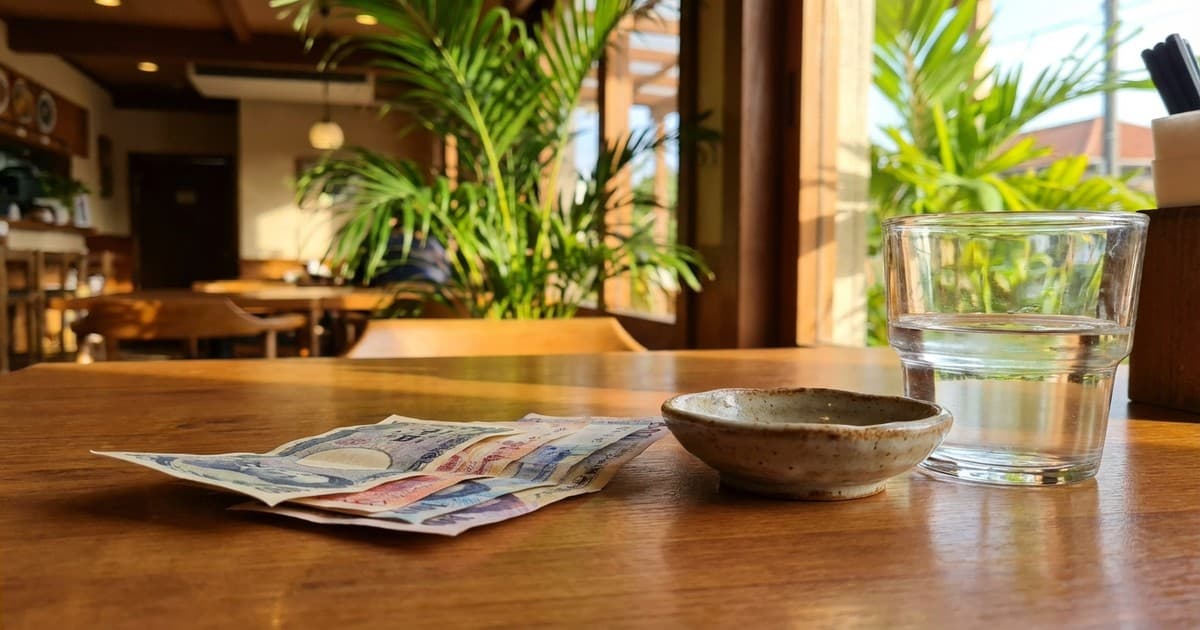
Indonesia does not have a formal tipping culture, but global tourism has shifted expectations in recent years. While locals rarely tip at traditional warungs, international visitors often leave a small amount in hotels and high-end restaurants.
Understanding when to tip and how much is expected can prevent awkward encounters during your stay. Today, a service charge is often included in the bill at major establishments, making additional gratuity optional but appreciated for great service. This nuance is key for visitors.
Navigating restaurant service charges
Most upscale restaurants and hotels apply a government tax and a service charge, often referred to as "plus-plus" (indicated by ++ on the menu). This service charge is usually around 5% to 10%. If this fee is already on your bill, you are not obligated to tip, though small change is often left behind.
Many travelers choose to leave the small change or round up the bill to the nearest 10,000 or 50,000 Rupiah. This is seen as a gesture of personal thanks to the staff, especially if the service was attentive during a busy dinner service. It is a common practice in tourist hubs like Bali where Western habits have integrated with local life.
Gratuity for transport and tour guides
For ride-hailing services like Gojek or Grab, tipping is handled easily through the app after the trip is completed. A small gratuity of 5,000 to 10,000 Rupiah is standard for short trips. It is a simple way to show appreciation for a safe and efficient ride through congested traffic. Drivers often rely on these small boosts to supplement their daily earnings.
For private drivers hired for a full day, a tip of 50,000 to 100,000 Rupiah is considered generous and appropriate. Tour guides generally expect a tip ranging from 100,000 Rupiah upward depending on the group size and the depth of expertise provided. Providing these tips in cash is always preferred as it ensures the person who performed the service receives it directly.
Hospitality and spa etiquette
In the local spa industry, tipping is common but remains at the customer’s discretion. If the service was excellent, giving 20,000 to 50,000 Rupiah directly to the therapist is a kind gesture. This ensures the person who did the work receives the benefit without it being diluted by management. It is often the most personal way to show your satisfaction with the treatment.
At hotels, porters who assist with luggage typically receive 10,000 to 20,000 Rupiah per bag. Housekeeping staff may also be tipped at the end of a stay, usually by leaving a small amount in an envelope or clearly marked on the bedside table for the cleaners. Small notes are better than coins, as they are easier for the staff to exchange and use in their daily lives.
Tipping in Indonesia remains a personal choice rather than a mandatory social rule. While the 10% rule common in the West doesn’t strictly apply here, small gestures go a long way in supporting the local service workforce and showing gratitude.
By paying attention to the bill and carrying small denominations of Rupiah, travelers can navigate the local economy with grace. Ultimately, a sincere "terima kasih" is just as important as the financial contribution in Indonesian culture.