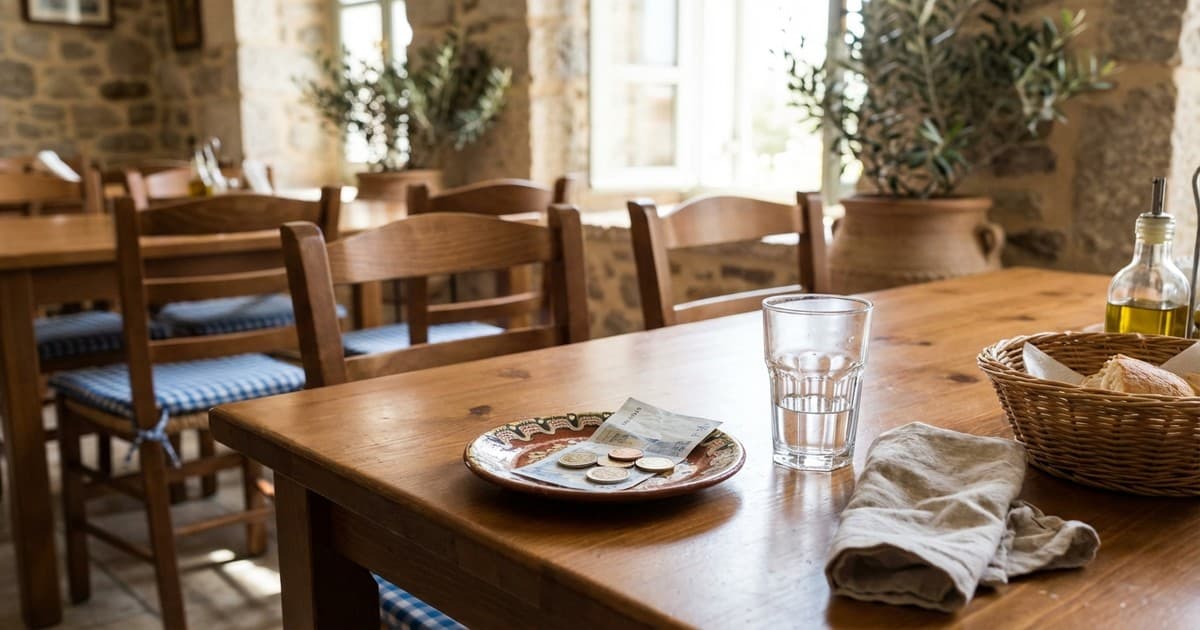
In Greece, tipping is a gesture of appreciation rather than a rigid obligation. While Greek labor laws ensure service staff receive a living wage, a gratuity remains a standard way to signal satisfaction. For travelers arriving in 2026, the transition toward digital payments has slightly altered how tips are handled, though cash remains the preferred method for ensuring the money reaches the server directly. Understanding the nuance between a taverna and a high-end restaurant is essential for any visitor.
Standard gratuity rates for dining
A tip of 5% to 10% is the standard benchmark for most dining experiences in Greece. In casual family-run tavernas, rounding up the bill to the nearest five or ten euros is often sufficient. However, in more formal establishments or upscale Athenian restaurants, a tip closer to 12% or 15% is becoming the norm. It is rarely expected to exceed these amounts, and leaving nothing is only acceptable if the service was genuinely poor.
Cash versus card payments
While Greece has embraced card payments for almost all transactions, tipping via a terminal can be hit or miss. Many smaller businesses do not have a system to distribute digital tips to staff. If you pay by card, it is still highly recommended to leave the tip in cash on the table or hand it directly to the server. This ensures the person who provided the service actually receives the benefit of your generosity.
Taxis, hotels, and cafes
For taxi drivers, tipping is not strictly expected but rounding up the fare is a common courtesy. If a driver helps with heavy luggage or navigates difficult traffic, adding a couple of euros is appreciated. In hotels, a small daily gratuity of one or two euros for housekeeping is a thoughtful touch. For porters, one euro per bag is the traditional rate. At coffee shops, leaving the small change from your order is usually plenty.
Understanding the cover charge
You may notice a small charge on your bill labeled as kouver or cover charge. This typically ranges from one to three euros per person and covers the cost of bread and table settings. It is important to remember that this fee is not a tip and does not go to the server. It is a standard operational charge, so you should still calculate your tip based on the total bill regardless of this small addition.
Navigating the social norms of Greek hospitality—known as philoxenia—requires a balance of common sense and observation. While no one will chase you down the street for a missed tip, rewarding good service reinforces the local economy and shows respect for the culture. Whether you are dining in a remote village or a bustling city center, a small, thoughtful gratuity remains the simplest way to say thank you in the Hellenic world.