Estonia’s shift to a digital-first society has transformed how visitors handle gratuities. While the country lacks a rigid tipping culture compared to North America, the practice is now common in Tallinn and Tartu. Understanding tipping in Estonia requires a balance of local etiquette and modern payment habits.
As most transactions are now card-based, the old habit of leaving loose change is fading. Today, visitors often wonder if a service charge is included or if they should manually add a tip. While **entirely optional**, a small gesture is a significant nod to good service in this Baltic nation.
The standard rate for restaurant service
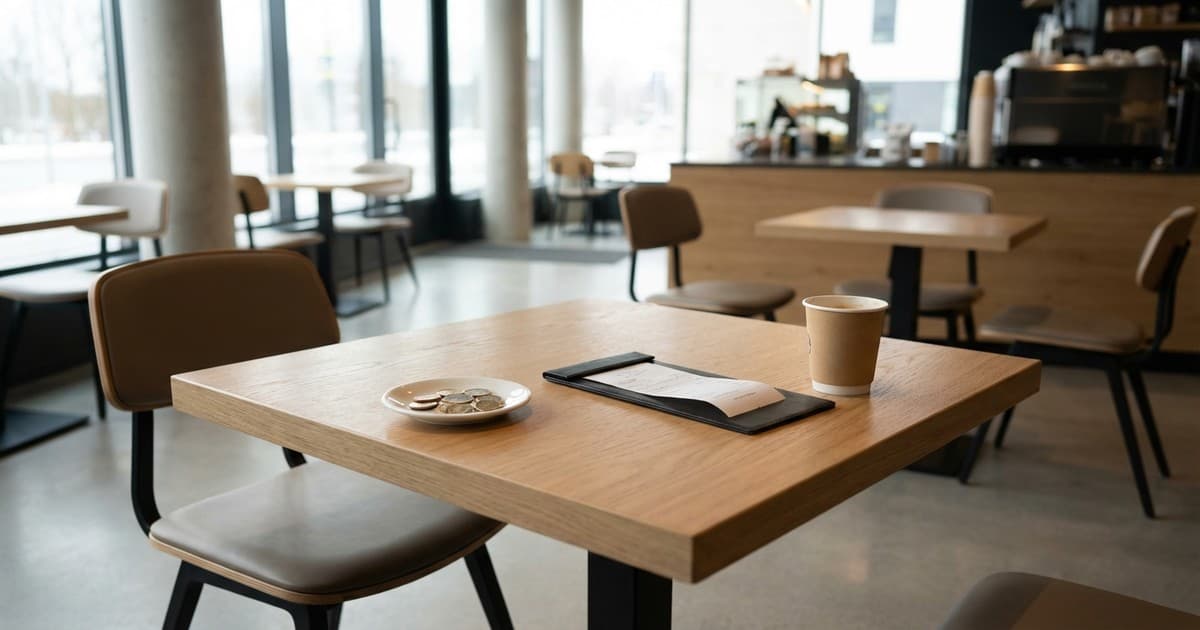
In Estonian restaurants, service charges are rarely included in the final bill. Because of this, the general rule of thumb for tipping in Estonia is to leave roughly 10% of the total amount if the service was exceptional. If you are just having a quick coffee or a light snack, rounding up the bill to the nearest euro is perfectly acceptable and common among locals.
The rise of contactless payments has changed the mechanics of giving. Many modern card terminals in Estonian cities now prompt you to add a tip percentage before you tap your card or phone. If the machine does not offer this option, it is best to carry a small amount of cash for the server. It is often difficult for staff to receive digital tips otherwise.
Etiquette for bars, taxis, and hotels
The etiquette changes slightly when you move from a formal dining room to a casual bar or cafe. In these settings, tipping is much less frequent. Most Estonians do not tip for a single drink ordered at the bar. However, if you are sitting at a table and receiving full service over several rounds, a small gratuity is a kind gesture. It remains a personal choice rather than an obligation.
For transportation, services like Bolt and Uber are dominant across the country. These apps allow you to tip your driver digitally after the ride is completed. If you take a traditional taxi, rounding up the fare is the standard approach. In hotels, tipping the porter or housekeeping is not expected but is appreciated. Usually, two to five euros is considered a generous amount for such services.
Cultural expectations and local norms
Ultimately, tipping in Estonia is a reflection of your satisfaction rather than a hidden tax. The Estonian service culture is professional and often reserved, so do not expect an over-the-top reaction to a gratuity. By keeping a bit of cash on hand or using the tip functions on payment apps, you can navigate the local scene with ease. Your contribution supports the hardworking hospitality staff in this vibrant, tech-forward nation.