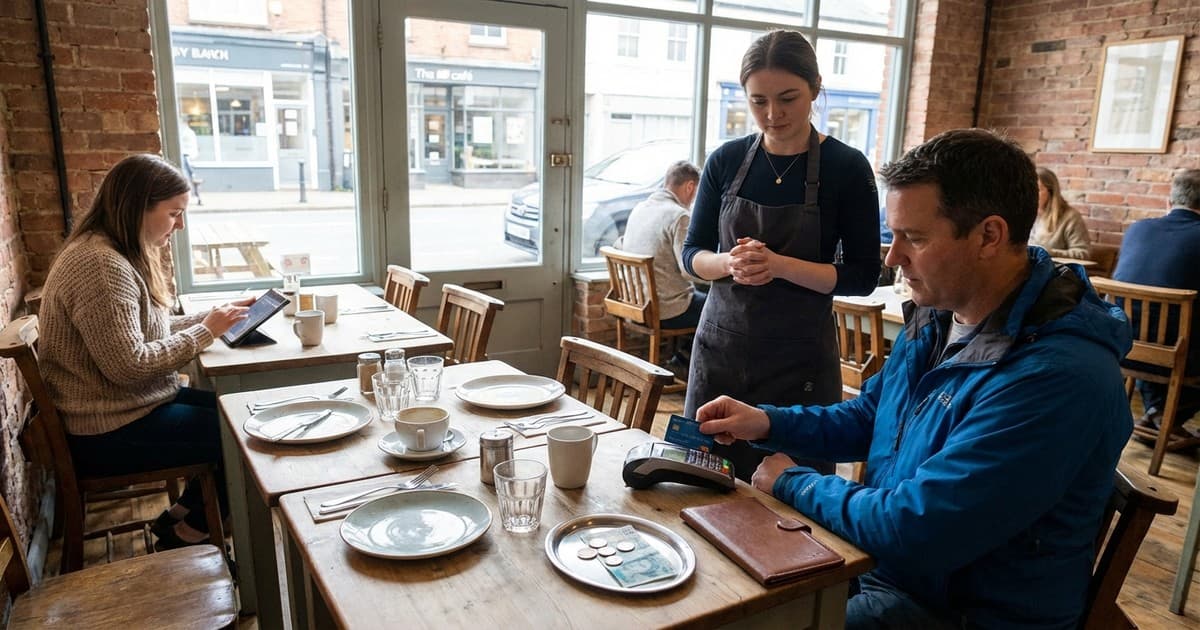
England occupies a unique middle ground when it comes to gratuities. Unlike the United States where percentages are steep or some Asian cultures where it is refused, England relies on a system of quiet discretion. Understanding tipping in England requires recognizing the shift toward automated service charges in cities while respecting traditional norms.
Navigating these [global tipping rules that confuse visitors](https://thelistnest.com/travel-places/global-tipping-rules-confusing-visitors) is essential for any traveler looking to avoid social awkwardness during their stay in the United Kingdom. While the customs may seem subtle, they are deeply rooted in the local sense of service and professional pride.
Deciphering the service charge in restaurants
In restaurants, the most common practice is the optional service charge London establishments frequently use. Usually set at 12.5 percent, this fee is added directly to the bill in larger cities. While legally optional, most patrons pay it unless the service was notably poor.
If no charge is added, a tip of 10 to 12 percent is the standard restaurant gratuity UK diners expect. This differs from many [common tipping mistakes in Europe](https://thelistnest.com/travel-places/tipping-in-europe-tourist-mistakes-guide) where a simple round-up might suffice. Always check your bill carefully to avoid double tipping.
The unique etiquette of the British pub
Pub culture follows a very different logic compared to sit-down dining. At a traditional bar, you typically do not tip for a round of drinks. Attempting to leave a few coins on the bar can actually confuse staff. It is not expected or required.
Instead, regular patrons may offer to buy the bartender a drink by saying 'and one for yourself.' The bartender will then add the cost of a small drink to your total or take a small amount as a tip. This is the gold standard for pub etiquette England visitors should master.
Transport and hotel service expectations
Taxis and private hire vehicles like Uber follow more relaxed norms. For a standard black cab, rounding up to the nearest pound is the standard courtesy. If a driver helps with heavy luggage, an extra pound or two is appreciated but never demanded.
For hotel staff, a pound per bag for a porter or a small amount for housekeeping at the end of a stay is welcomed. These small gestures reflect the casual nature of British gratuity. They are appreciated signs of thanks rather than requirements.
Cultural nuances and concluding thoughts
Tipping in England is ultimately about acknowledging good service rather than fulfilling a strict financial obligation. The rise of card payments has made the process more visible, yet the British preference for subtlety remains. It is an act of appreciation.
Whether you are in a Michelin-starred restaurant or a village local, the key is to look at the bill first. By following these local norms, you ensure your gratitude is expressed appropriately without overstepping the cultural boundaries of British reserve.