Navigating tipping in Czech Republic requires more than a quick calculation. While the service industry has changed, local etiquette remains distinct. For travelers visiting Prague or the rural regions today, a tip is expected for good service but is not mandatory. Understanding how to tip ensures a smooth trip in pubs and high-end restaurants alike. Knowing these small social rules helps visitors feel more at home while exploring this historic and beautiful Central European nation.
The standard gratuity for dining
In most Czech dining establishments, a tip of 10 percent of the total bill is considered the standard benchmark for quality service. This percentage serves as a reliable guide for international visitors dining in both casual bistros and more formal environments. While not strictly required by law, it is a customary way to signal satisfaction with the meal and the attentiveness of the waitstaff during your visit to the country.
If the service was truly exceptional, some patrons choose to go slightly higher, though exceeding 15 percent remains rare among locals. Conversely, if the service was poor or the staff was noticeably rude, it is perfectly acceptable to leave no gratuity at all. In the Czech service industry, a tip is fundamentally viewed as a reward for effort rather than a mandatory entitlement that must be paid regardless of the quality of the experience.
Effective tipping methods for modern travelers
For smaller transactions, such as a coffee or a quick beer in a local pub, the most common practice is simply rounding up the bill. If your total comes to 84 CZK, you might tell the server to keep the change by saying "ninety" as you hand over the cash. This method is efficient and widely appreciated in casual settings where a formal ten percent calculation might feel overly precise or unnecessary for the staff working the shift.
As digital payments are now the standard across the nation in 2026, tipping via credit card has become significantly easier for everyone. However, many seasoned travelers and locals still prefer to tip in cash whenever possible. This ensures the gratuity goes directly to the individual server who provided the service. If you pay by card, you should tell the waiter the total amount you wish to pay, including the tip, before they process the transaction.
Cultural nuances and common mistakes
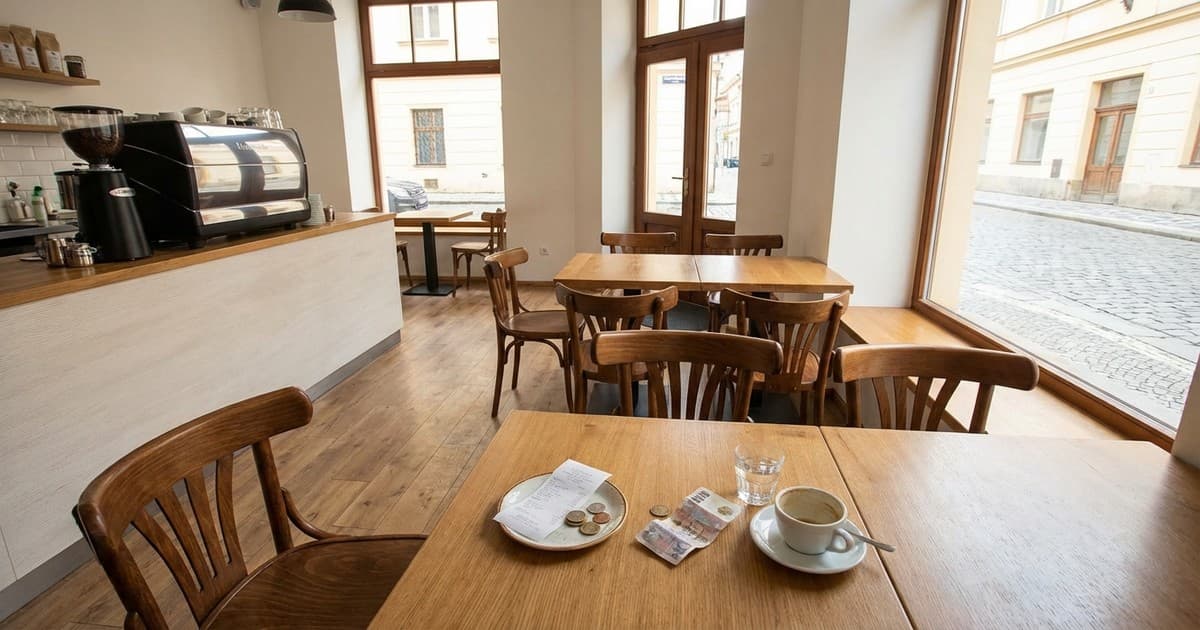
A common cultural mistake is leaving coins or bills on the table after finishing a meal. In the Czech Republic, it is considered much more polite to hand the tip directly to the server or include it in the final payment. While this custom is slowly changing in the highly touristy areas of Prague, following the traditional approach is always safer. It demonstrates a respect for local customs and ensures your server acknowledges the gesture immediately and professionally.
Tipping for other services
Beyond the restaurant industry, other service providers also appreciate a small gratuity for their work. For taxi drivers, rounding up the fare is standard practice, especially if they assisted with heavy luggage. In hotels, a tip of 50 to 100 CZK for porters or housekeeping staff is considered generous. Tour guides, who often provide deep historical context for the country’s rich heritage, typically receive a tip of 100 to 200 CZK per person for their time.
Ultimately, tipping in Czech Republic is a gesture of appreciation rather than a rigid social obligation. Whether you are exploring Prague or the quiet corners of Moravia, a modest gratuity reflects an understanding of the local culture. By sticking to the ten percent rule and favoring direct cash tips, you align with modern Czech etiquette. This simple act of courtesy helps maintain the high standard of hospitality for which the region is known today and in the future.