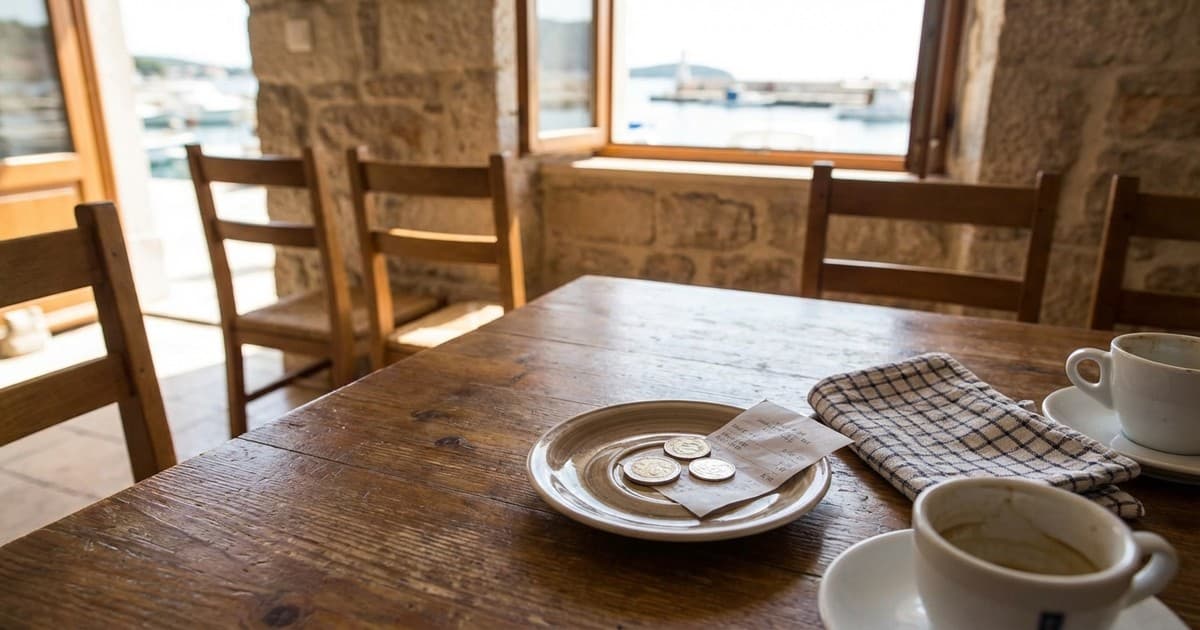
Croatia’s Adriatic coast and historic cities attract millions of visitors, yet many remain unsure about local gratuity customs. Since the country’s adoption of the euro, the landscape of tipping in Croatia has subtly shifted from simple rounding up to more structured expectations in tourist hubs. While not mandatory, leaving a tip is a gesture of appreciation for quality service and professional hospitality across the country.
Navigating this etiquette requires understanding the difference between a casual coffee on a sun-drenched plaza and a multi-course dinner in a refined Dalmatian konoba. Whether you are exploring the narrow streets of Split or the historic ramparts of Dubrovnik, knowing how to handle the bill ensures a smoother cultural experience. Modern tipping in Croatia reflects a blend of traditional Balkan warmth and Western European service standards.
Standard expectations in restaurants and konobas
In most sit-down restaurants across the country, a tip of 10 to 15 percent is considered the standard for good service. While some upscale establishments may include a "cover charge" for bread and table setting, this is not a service fee that goes to the waiter. Therefore, visitors should calculate their gratuity based on the total bill. If service was exceptional, 15 percent is a generous way to acknowledge the effort of the staff in busy coastal regions.
The etiquette of coffee and cafe culture
When it comes to the ubiquitous coffee culture of Zagreb or Split, the rules are more relaxed. For a simple espresso or a quick drink, most locals still prefer the traditional method of rounding up to the nearest whole euro. For instance, if your bill is 2.70 euros, leaving 3 euros is perfectly acceptable. This small gesture aligns with the casual nature of Croatian cafe life, where service is often professional yet brisk during peak hours.
Logistics of cash versus card payments
The technical side of tipping can be a hurdle for international travelers. In Croatia, many older point-of-sale terminals do not allow you to add a gratuity to a credit card transaction. It is always advisable to carry small denominations of euro notes or coins for this purpose. Even if you pay the bill with a card, leaving a cash tip on the table ensures the staff receives the recognition they deserve without administrative delays.
Gratuities for transport and hotel staff
Beyond the dining table, other service providers also appreciate a small gratuity. For taxi drivers or rideshare operators, rounding up the fare or adding one or two euros is common. Tour guides, who provide deep historical context during lengthy walking tours, generally receive 10 to 15 percent of the cost. In hotels, a tip of one or two euros for porters or housekeeping remains a thoughtful touch that is highly valued by local workers.
A cultural perspective on hospitality
Ultimately, tipping in Croatia remains a discretionary act rooted in quality. While the move to the euro has modernized the service industry, the value of a sincere "hvala" with a modest gratuity has not changed. By following these local norms, travelers can navigate the social landscape with confidence. Understanding these nuances enriches the overall experience of exploring Croatia’s vibrant culture and ensures that your appreciation for local hospitality is properly felt.