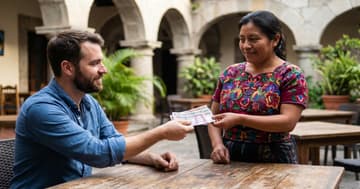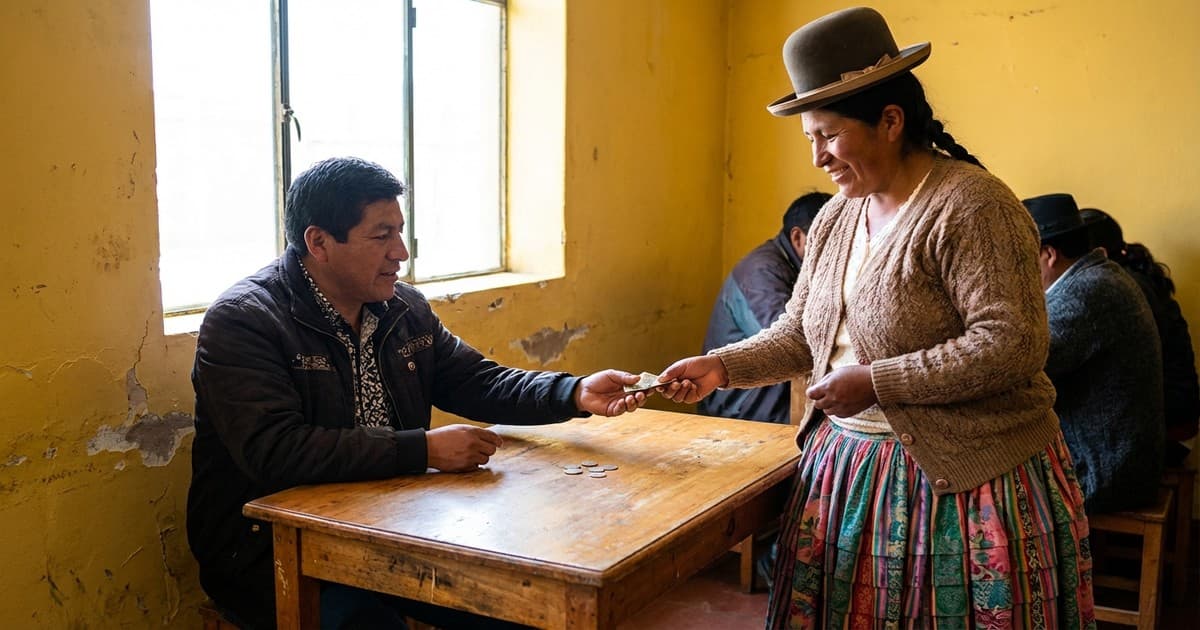
Navigating the social norms of a new country requires a blend of observation and cultural awareness. In the Andean highlands and tropical lowlands of the Plurinational State, the approach to gratuities is notably different from Western standards. Many travelers find themselves navigating global tipping rules for the first time. The situation regarding tipping in Bolivia is grounded in modesty. Gratuities are situational and never aggressive. Understanding when to offer a few extra Bolivianos ensures you respect local customs without overstepping. Large gestures are often viewed with surprise rather than expectation in most local settings.
Dining and restaurant etiquette
In upscale dining establishments in La Paz or Santa Cruz, a service charge is sometimes added to the final bill. You should check the receipt for the word propina or servicio before adding anything extra. If no charge is included, a tip of around ten percent is considered generous and appropriate. In smaller, family-run eateries known as pensiones, tipping is much less common. Locals might leave a few small coins if the service was exceptional. In these casual environments, there is no social pressure to provide a percentage-based gratuity.
Bars and nightlife expectations
Bars and nightlife venues follow a similar logic to local eateries. You do not need to tip for every round of drinks ordered at the counter. If you are at a table with dedicated server attention, rounding up the bill is a kind gesture. This practice is consistent with gratuity standards in the Americas across the Southern Cone. Most patrons simply pay the stated price for their beverages. It is rare to see people leaving large sums for bartenders in standard local pubs.
Transportation and taxi rules
Taxi drivers in Bolivia do not expect tips. Most cabs do not use meters. You must negotiate the fare before you get into the vehicle. Once the price is agreed upon, that is the final amount you pay at your destination. If a driver helps with heavy luggage or provides useful local advice, you can choose to round up the fare. For instance, if the ride is 18 Bolivianos, giving 20 is a simple way to show appreciation. Do not feel obligated to add extra if the service was just a standard point-to-point transit.
Hotel staff and hospitality
Hotel staff are among the few professionals who regularly interact with tipping culture. Bell staff who carry bags to your room typically receive five to ten Bolivianos per suitcase. Housekeeping staff also appreciate a small daily amount left on the nightstand. Leaving five or ten Bolivianos each morning ensures the staff receives the benefit directly. While not mandatory, these small amounts are highly valued by the service staff. Luxury hotels may have more formal expectations similar to international standards.
Tours and specialized services
Guided tours are the one area where tipping is standard. Tour guides and drivers often rely on gratuities to supplement their base income. For a full-day group tour, a tip of 30 to 50 Bolivianos per person is a fair range. Private guides who provide specialized knowledge or multi-day treks usually receive a higher amount. You should also consider tipping the driver separately if they were particularly helpful during the journey. These gestures reflect the specialized nature of the service and the effort involved in mountain or jungle excursions.
Currency and payment reality
Bolivia remains a cash-centric society for most daily transactions. It is essential to carry small denominations of the local currency, known as Bolivianos, for tipping purposes. Credit cards are accepted in high-end hotels and restaurants. However, you often cannot add a tip to the digital transaction. Always ask if the machine allows for gratuities before the waiter processes the payment. Having a pocket full of coins and small bills is the most practical way to handle these interactions. Avoid using foreign currency for small tips.
Summary of Bolivian customs
Master the art of modest tipping to enhance your travel experience in Bolivia. The key is to remain observant and avoid flashy displays of wealth. While the amounts may seem small by international standards, they are meaningful within the local economy. Most Bolivians appreciate the gesture when it is offered with sincerity and politeness. By following these situational guidelines, you can navigate the country with confidence and respect. Focus on rewarding genuine effort rather than feeling pressured by rigid rules. This balanced approach ensures a positive interaction.