Understanding tipping in Belarus requires a look at how post-Soviet hospitality has merged with modern standards. In Minsk, the reality is fluid. It is not an obligation rooted in wages but a gesture of appreciation for quality care. Navigating these expectations is easier when knowing global tipping rules confusing visitors worldwide. Local culture values genuine connections over rigid social scripts.
Dining out and service expectations
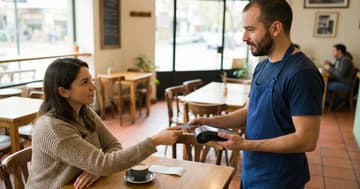
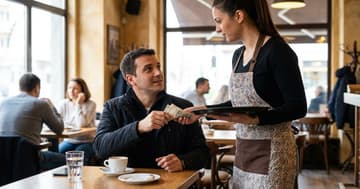
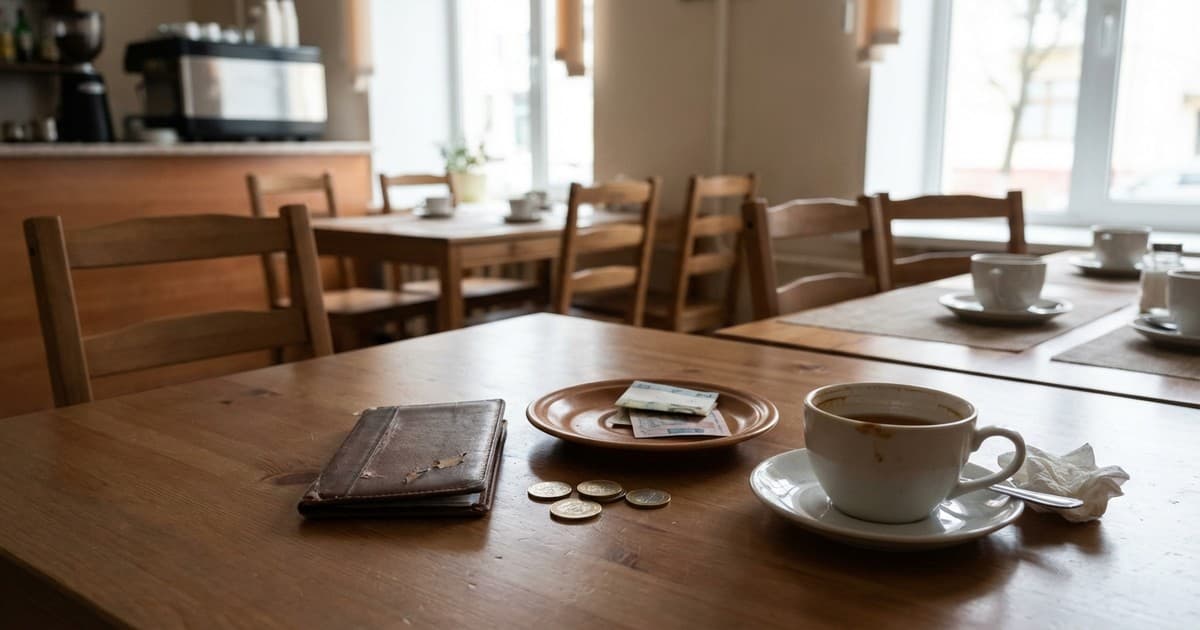
In Belarusian restaurants, a service charge is rarely added to the bill automatically. Most locals leave around ten percent for exceptional service, though rounding up is acceptable for casual meals. If you pay by card, you often cannot add a tip to the machine. It is customary to leave cash instead. This aligns with many tipping in Europe tourist mistakes guide insights. Cash remains the king of gratuity across the country.
Transportation and city logistics
Transportation services follow a different logic where convenience dictates the amount. When using ride-hailing apps or taxis, passengers usually round up to the nearest ruble. If a driver helps with heavy luggage or navigates difficult traffic, a small additional amount is welcomed. Drivers do not expect the large percentages common in North America. This reflects a local preference for straightforward pricing over hidden costs in daily life.
Hotel staff and professional guides
Within the hospitality sector, bellhops and housekeeping staff may receive a few rubles for their efforts. This is far from mandatory but serves as a polite nod to the hard work in maintaining accommodations. Tour guides often spend hours providing historical context, making them candidates for a gratuity. In these instances, the amount reflects the personal connection made rather than a rigid or formal set percentage expected by the establishment.
Tipping in Belarus is a voluntary act that rewards performance rather than a hidden tax. The lack of pressure should not be mistaken for a lack of appreciation, as service workers value these gestures. By focusing on rounding up and keeping small cash on hand, travelers can navigate social situations with ease. Understanding these nuances helps bridge the gap between foreign expectations and the local reality of this unique region.