Navigating Austrian social norms requires an understanding of Trinkgeld, a concept rooted in appreciation rather than obligation. While the service industry is professional and workers earn fair wages, tipping in Austria remains a central part of the dining and service experience. Visitors often find that the approach here is more structured than in Southern Europe but less aggressive than in North America. Mastering these subtle cues ensures a smoother interaction with local staff. Check out global tipping rules confusing visitors for more context on international variations.
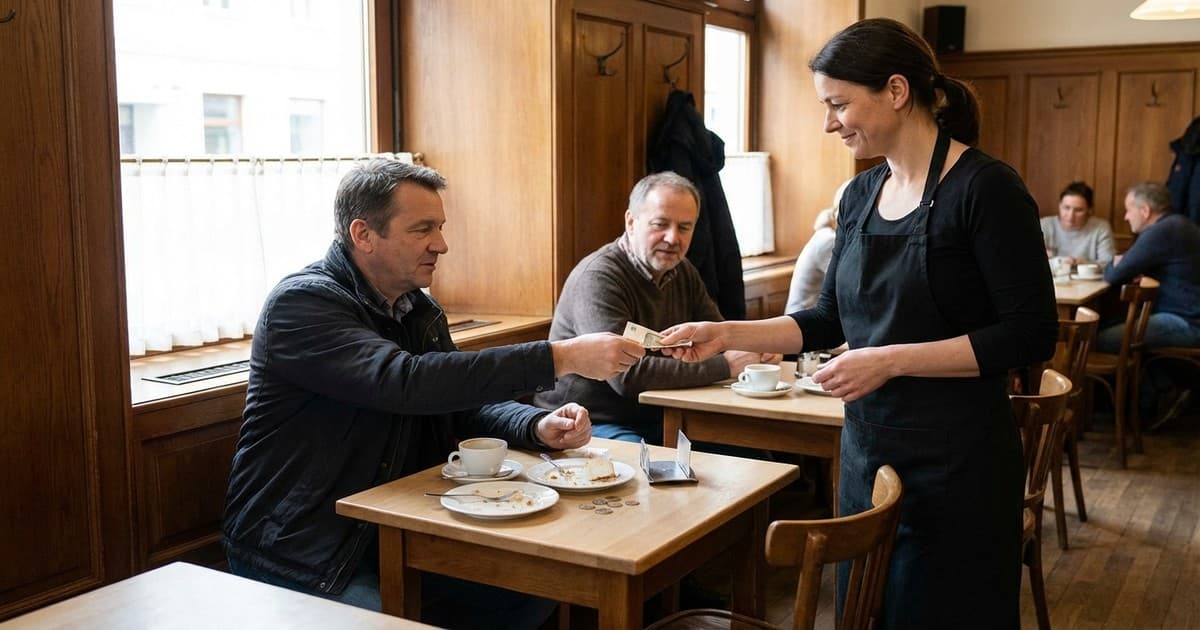
In Austria, the most common way to handle a bill is by rounding up to a round figure. If your coffee costs four euros and twenty cents, it is common practice to tell the server five euros. This immediate settlement avoids the awkwardness of leaving coins on the table after you depart. Understanding these tipping in Europe tourist mistakes can help you avoid common social blunders while traveling through the Alpine region and its historic cities.
Restaurant and dining etiquette
High end restaurants usually see tips of roughly five to ten percent of the total amount. Unlike some neighboring countries, service is rarely included as a separate line item on the bill. If the service was exceptional, ten percent is the standard ceiling. For average service, simply rounding up to the nearest ten euro mark is perfectly acceptable. Servers usually expect you to state the total amount you wish to pay when handing over your money or card.
The culture of the coffee house
The iconic Viennese coffee house culture has its own rhythm. Servers, often called Herr Ober, are professionals who take pride in their formal demeanor. In these settings, a small tip is a nod to the tradition and the space provided for long stays. A few coins or rounding up by a euro is sufficient. It is important to remember that you are paying for the atmosphere and the ability to linger over a single drink for hours without being rushed.
Services and transportation
Hotel staff expect small gestures for specific tasks. A porter might receive one or two euros per bag, while housekeeping usually appreciates a similar amount per day left in the room. Taxi drivers also follow the rounding up rule. If a fare is fourteen euros, giving fifteen is standard. In these service roles, the tip is seen as a gesture of goodwill for direct assistance rather than a significant portion of the worker's base income.
Handling digital payments
Digital payments are becoming more common in major cities like Vienna and Salzburg. When paying by card, you should tell the server the total amount including the tip before they process the transaction. Many older machines do not have a specific tip prompt on the screen. If you miss the opportunity to add it to the card, leaving a small amount of cash is always an appreciated alternative that ensures the server receives the intended amount directly.
Tipping in Austria is an exercise in discretion and politeness. It serves as a social lubricant that acknowledges the professionalism of the service industry without being a mandatory requirement. By following the local custom of rounding up and offering roughly five to ten percent for sit down meals, you align yourself with local expectations. This balanced approach ensures you show respect for the culture while enjoying the legendary hospitality of the Austrian Alps and historic city centers.