Albania has transformed into one of Europe's most popular destinations, but for many visitors, the etiquette around gratuities remains a mystery. Unlike the rigid systems found in the United States or the service-included models of Western Europe, tipping in Albania is deeply rooted in local hospitality and social norms. Leaving a small token of appreciation has become a standard gesture across the country today.
Understanding these subtle cultural cues ensures you navigate the local economy with grace and respect. This guide clarifies how to handle your bill in various service scenarios you will encounter, from the bustling streets of the capital to the quiet corners of the Riviera.
Dining and restaurant etiquette
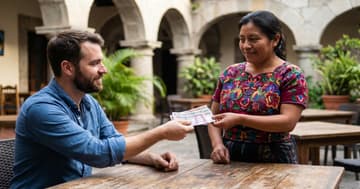
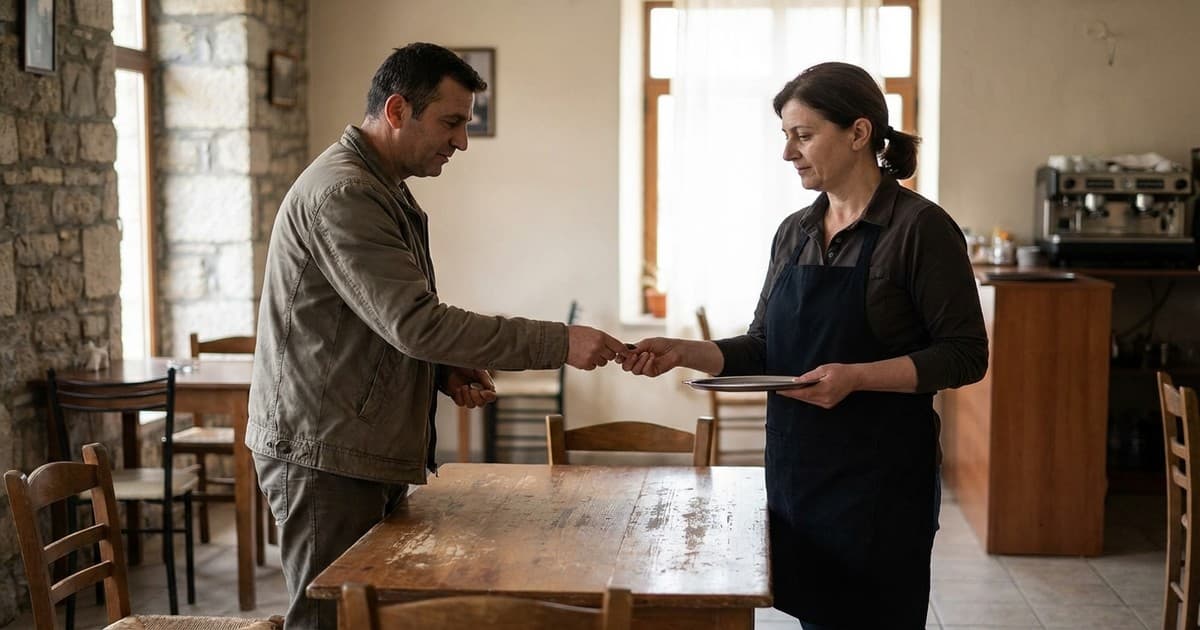
In most dining establishments, a tip of 10 percent is considered the standard for good service. If you are visiting a casual kantina or a local grill, simply rounding up the bill to the nearest 100 or 200 Albanian lek is perfectly acceptable. It is important to note that a service charge is rarely included in the final bill, making your direct contribution the primary reward.
Cash remains king in the Balkan Peninsula, and this is especially true for gratuities. Even if Tirana restaurants accept credit cards, the tip should ideally be left in cash. This ensures the money goes directly to the server who assisted you, rather than being processed through a business's digital accounting system or potentially being reduced by various processing fees and bank charges.
Coffee culture and small change
Albania’s vibrant coffee culture is central to daily life, and the tipping rules here are more relaxed. When ordering an espresso or a mountain tea at a small neighborhood cafe, it is customary to leave the small change. For a bill totaling 180 lek, leaving the remaining 20 lek from a 200-lek note is a polite gesture that reflects local habits and gratuity culture.
You will notice that locals often leave a few coins on the table before departing. While it may seem like a trivial amount, these small gestures are a sign of hospitality, which is a cornerstone of the national culture. If the service was exceptional or the barista went out of their way to help you, adding a bit more is always appreciated but never strictly demanded.
Taxis and hospitality services
For taxi drivers, the protocol is straightforward: round up the fare to the nearest convenient figure. If a ride costs 750 lek, paying 800 lek is standard. For longer intercity transfers or full-day private hires, a more substantial tip of 500 to 1,000 Albanian lek is appropriate. This usually depends on the driver's helpfulness and whether they provided local insights or helped with heavy luggage.
In the hospitality sector, tipping follows international standards but remains modest. Hotel porters generally receive 100 to 200 lek per bag, while housekeeping staff can be left a similar amount daily. For guided tours through historical sites like Butrint, a tip of 10 percent of the price is a generous way to acknowledge the guide's expertise. These contributions are vital for workers in the industry.
Navigating the nuances of tipping in Albania doesn't have to be a source of stress for travelers. By keeping a small supply of Albanian lek on hand and aiming for 10 percent in formal settings, you align with local expectations. These small acts help sustain the hospitality sector.
Remember that while the financial amount matters, the spirit of the gesture—a simple 'faleminderit'—is what truly resonates. As the tourism sector matures, these tokens of appreciation ensure the warm, welcoming atmosphere Albania is known for remains vibrant for future visitors.