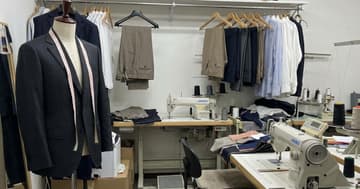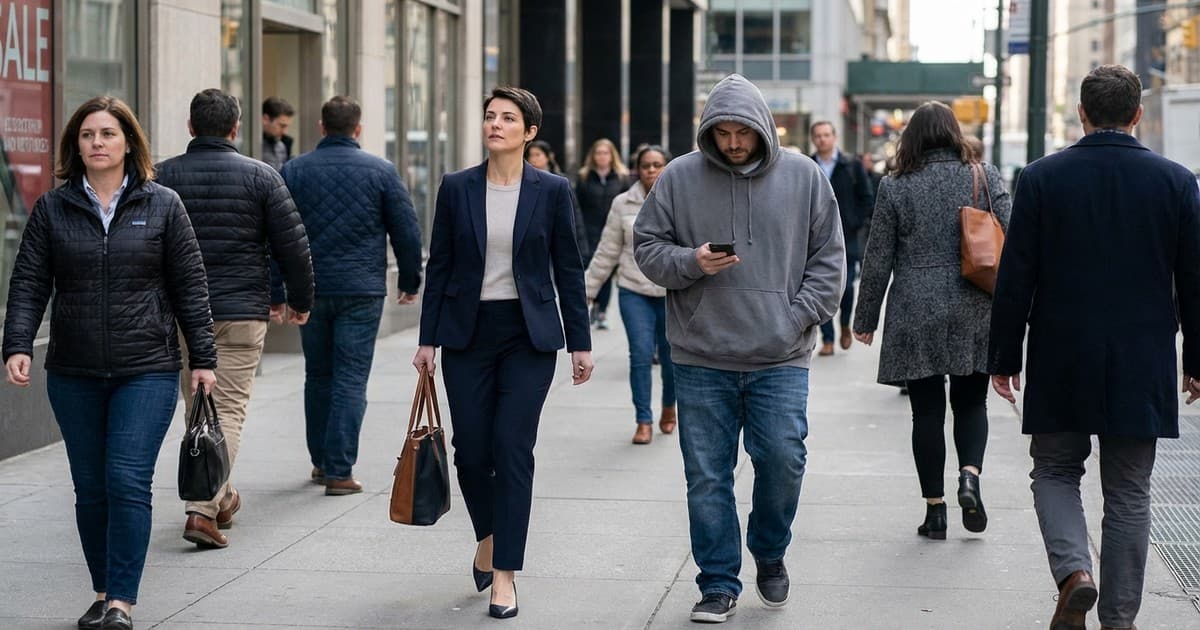
Modern fashion favors comfort, yet the tailored blazer remains the universal language of authority. Professional environments still lean on architecture, as there is a deep link between silhouette and perceived competence. This phenomenon, rooted in structured clothing, suggests that sharp lines communicate stability and intent before a word is spoken.
Understanding why these rigid forms command respect reveals an intersection of history and biology. This clarity of form acts as a silent resume, projecting reliability that soft garments fail to convey. It is a visual strategy for navigating the workplace, ensuring the wearer is perceived as a person of action through deliberate geometry.
The psychology of the silhouette
Structured clothing projects confidence because it mimics the physiological posture of authority and creates a clear physical boundary between the individual and their environment. By defining the frame, these garments signal that the wearer is composed and in control of their space. This visual clarity reduces ambiguity in social interactions, allowing others to focus on the wearer’s expertise.
Architectural lines and visual authority
Sharp corners and vertical lines are naturally associated with strength and permanence in human cognition. When a person wears a garment with padded shoulders or a defined waist, they adopt a more geometric form. This shift away from the soft, unpredictable shapes of the natural body builds visual authority. It implies that the individual has structured their life with the same precision they applied to their tailoring and personal presentation.
The impact on the wearer's mindset
The effect is not purely external; it influences the wearer through a process known as enclothed cognition. Research suggests that when we wear items associated with power, our self-perception shifts to match those qualities. A structured jacket often forces better posture, pulling the shoulders back and opening the chest. This physical adjustment can lower cortisol levels and increase feelings of self-assurance during difficult negotiations.
A historical legacy of tailoring
Tailoring has long served as a tool for distinction. Throughout the 20th century, power dressing became a means for individuals to claim space in historically exclusive environments. By adopting the structured uniforms of the elite, marginalized groups were able to visually signal their right to lead. Today, while rules have relaxed, the underlying semiotics remain. A well-constructed suit still functions as a modern suit of armor.
Sustaining confidence through clarity
The enduring appeal of structured clothing lies in its ability to bridge the gap between internal capability and external perception. While trends in casual wear evolve, the psychological weight of a sharp silhouette remains constant. By choosing garments that offer a defined shape, individuals do not just look more confident—they often act with greater resolve. In a world of visual noise, the clarity of a structured line is the best way to command a room.