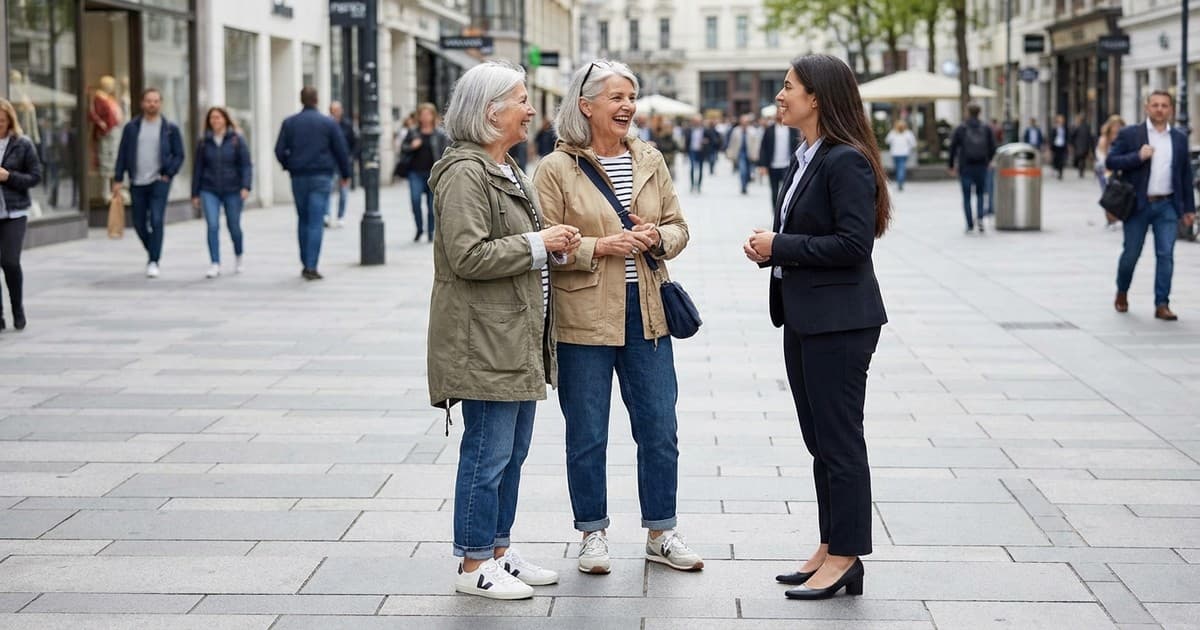
The concept of "dressing for your age" has long been a staple of style guides and societal critiques. For decades, men and women were taught that reaching a certain birthday meant retiring specific fabrics, colors, or silhouettes in favor of something more "appropriate." However, as we move further into the 2020s, these rigid boundaries are dissolving into a more fluid understanding of personal identity and self-expression.
What was once considered a set of firm rules is now recognized as a series of outdated social expectations. These norms are rarely about comfort or utility. Instead, they function as a way for society to categorize individuals based on their chronological age rather than their personal tastes or lifestyle. This shift marks a significant departure from historical fashion stereotypes that once dictated exactly how a person should look.
The evolution of sartorial norms
Fashion historically functioned as a visual marker of social status and life stage. In the mid-20th century, clear distinctions existed between the wardrobes of adolescents, young adults, and the elderly. These distinctions were not based on biological needs but on the performance of perceived maturity. Today, the lines between generational styles have blurred significantly as the culture moves toward a more inclusive and ageless approach.
Social expectations regarding aging often stem from a desire for predictability and order. When individuals deviate from these expected visual cues, it can create a sense of discomfort in others who rely on traditional markers. This pressure to conform is a cultural construct designed to signal a person’s "place" in the community. Dressing for your age is a social performance rather than a biological requirement, maintained primarily through peer observation.
The shift toward personal expression
Modern consumers are increasingly prioritizing individual identity over collective norms. The rise of ageless fashion reflects a broader cultural movement where personality dictates choices more than a birth certificate does. As long-term health and vitality improve, visual indicators of age become less reliable. People are living active lives well into their later decades, and their wardrobes are evolving to match that energy and vitality.
Clothing has become a tool for self-actualization rather than a badge of chronological status. Choosing an outfit is now an act of autonomy. For many, style evolution means moving away from what society deems suitable and toward what feels authentic. This transition is supported by a growing market that caters to diverse body types and preferences across all age groups, effectively dismantling the old sartorial silos of the past.
Media and the dismantling of ageism
Media representation has played a crucial role in shifting the narrative. We see fashion icons and public figures in their seventies and eighties regularly gracing the covers of major magazines while wearing bold, avant-garde designs. This visibility challenges the notion that aging requires a move toward the invisible or the muted. By seeing diverse examples of style at every age, the public is unlearning restrictive old rules.
As cultural gatekeepers embrace a wider range of aesthetics, the stigma of dressing "too young" is fading. Social norms are being rewritten by those who refuse to be limited by their date of birth. This shift encourages everyone to view fashion as a playground rather than a set of boundaries. The result is a more vibrant and diverse visual landscape where individuals are judged by their creativity rather than their age.
A new era of style freedom
Ultimately, the decision of what to wear should rest on personal comfort and aesthetic preference rather than a date on a calendar. While social expectations still linger in some corners of the professional and private world, they carry far less weight than they did a generation ago. The true evolution of style lies in the freedom to choose garments that reflect one's internal self and unique perspective on the world.
As we move forward, the most stylish choice is often the one that disregards arbitrary age limits in favor of authentic self-expression. By rejecting the pressure to conform, we open the door to a more inclusive fashion future. This freedom allows for a deeper connection between our identity and our appearance, ensuring that style remains a lifelong journey of discovery rather than a destination dictated by society.